Do’s and Don’ts of Designing a Kitchen Island

By Dawn Filkins

5 min read

A kitchen island is often the centrepiece of modern kitchen design, offering versatile kitchen storage, extra workspace, and casual kitchen island seating for family and friends. But creating one that’s both functional and stylish can be challenging. In this kitchen island design guide, we’ll cover the essential do’s and don’ts to help you achieve a space that’s as practical as it is beautiful.

Contents

1. Do’s of Designing a Kitchen Island

2. Don’ts of Designing a Kitchen Island

3. Book Your Free Kitchen Design Consultation

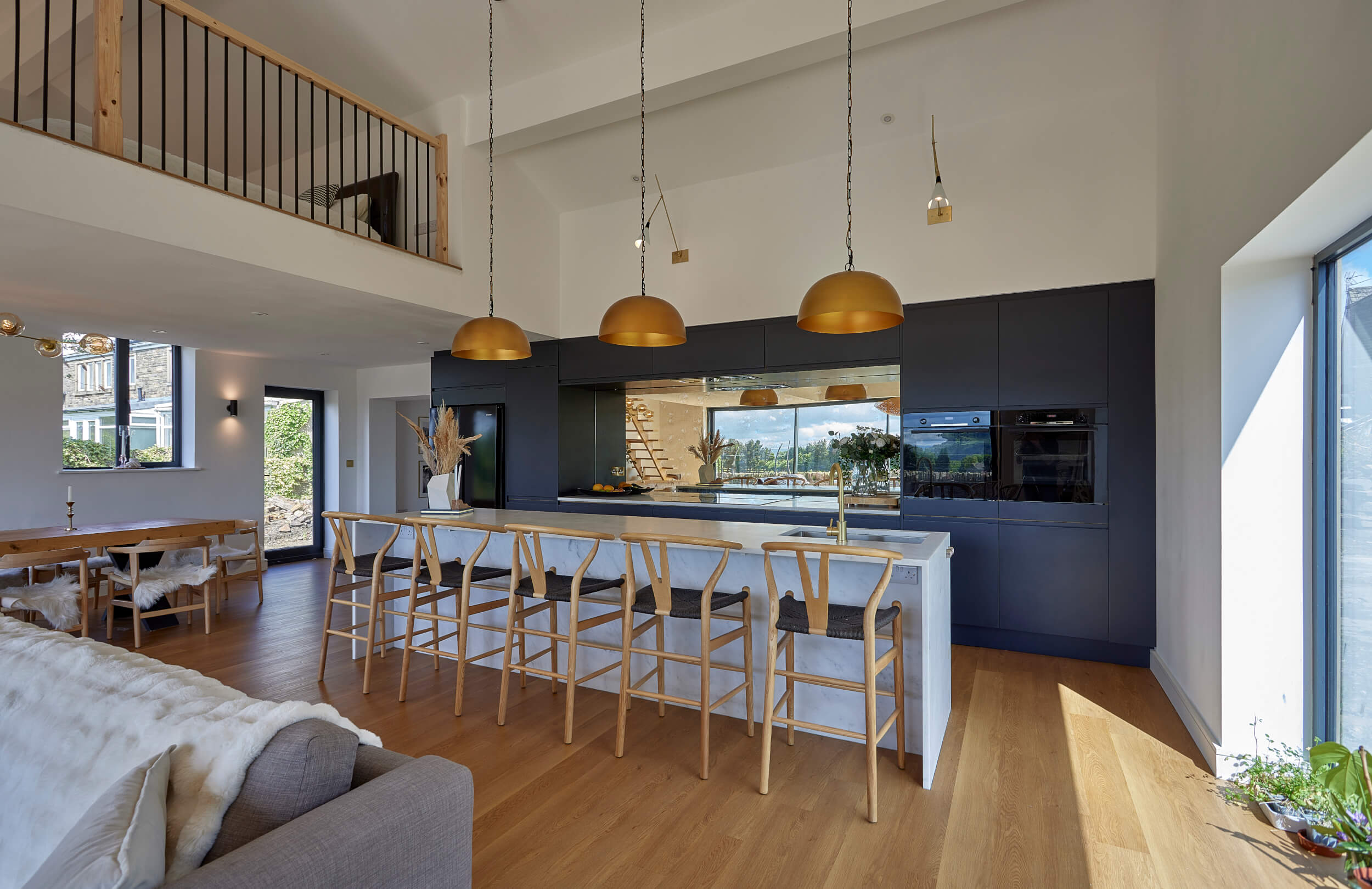
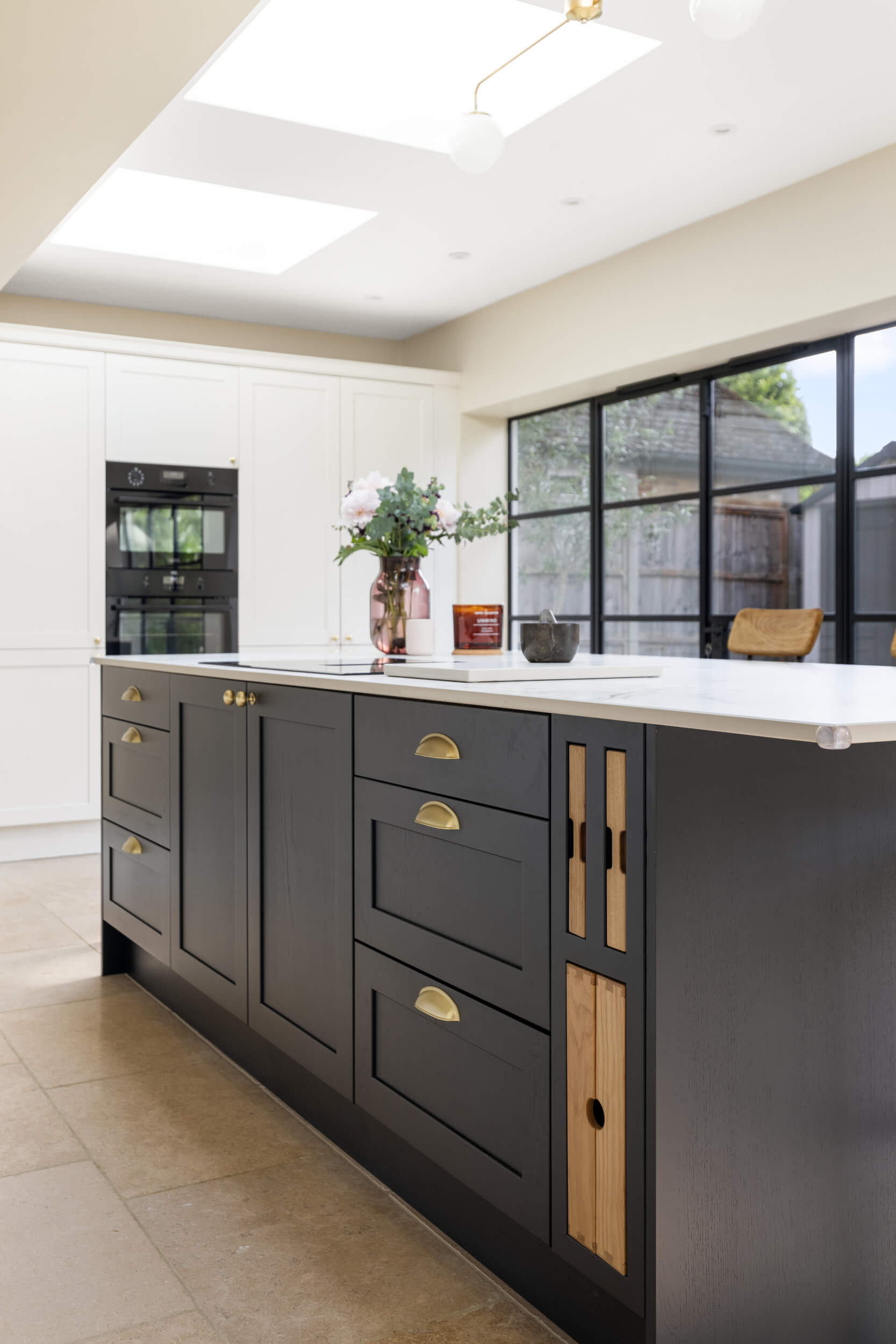
Jasper in Onyx

Do’s of Designing a Kitchen Island

1. Prioritise Functionality

When planning your kitchen island, think about how you will use it. Will it be a prep station, a cooking area, or just extra counter space?  Make sure the layout complements your workflow and includes smart kitchen storage solutions. A well-planned island enhances both efficiency and enjoyment in the kitchen.

2. Plan Adequate Clearance

Good kitchen island design starts with space planning.  Make sure there’s enough space around your kitchen island for movement. Ideally, leave at least 90 cm (36 inches) on all sides so people can move freely, open appliances, and avoid bumping into counters. 

For further reading, check out Ideal Homes guidance on how much space should you have between a counter and island?

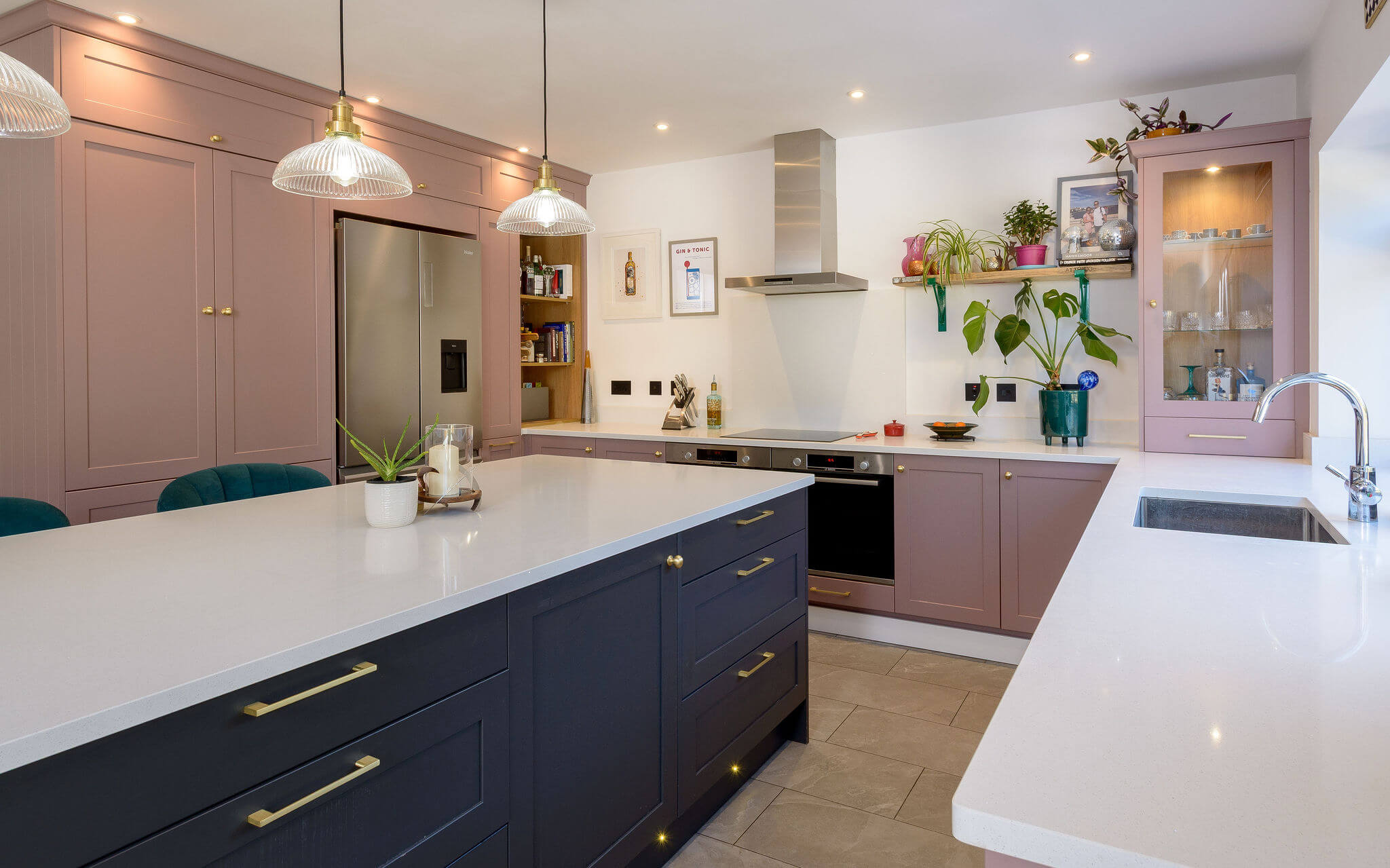
Vard in Doll and Onyx

3. Consider Different Seating Options

Your kitchen island seating can be more than just a prep space—it can transform your island into a social hub. When planning seating, there are several options to consider:

Bench Seating: Ideal for families or casual dining, benches can maximize space while keeping a relaxed, communal feel.

Perch Areas: Stools or high chairs create a casual “perch” for quick meals, snacks, or chatting while cooking.

Drop-Down Sections: These innovative designs allow part of the island to drop down to table height, creating a flexible dining area that can double as prep space when not in use.

Choosing the right seating depends on your lifestyle, space, and how you plan to use the island. For a deeper dive into kitchen island seating ,take a look at Bob Vila’s 14 ideas for kitchen island seating.  

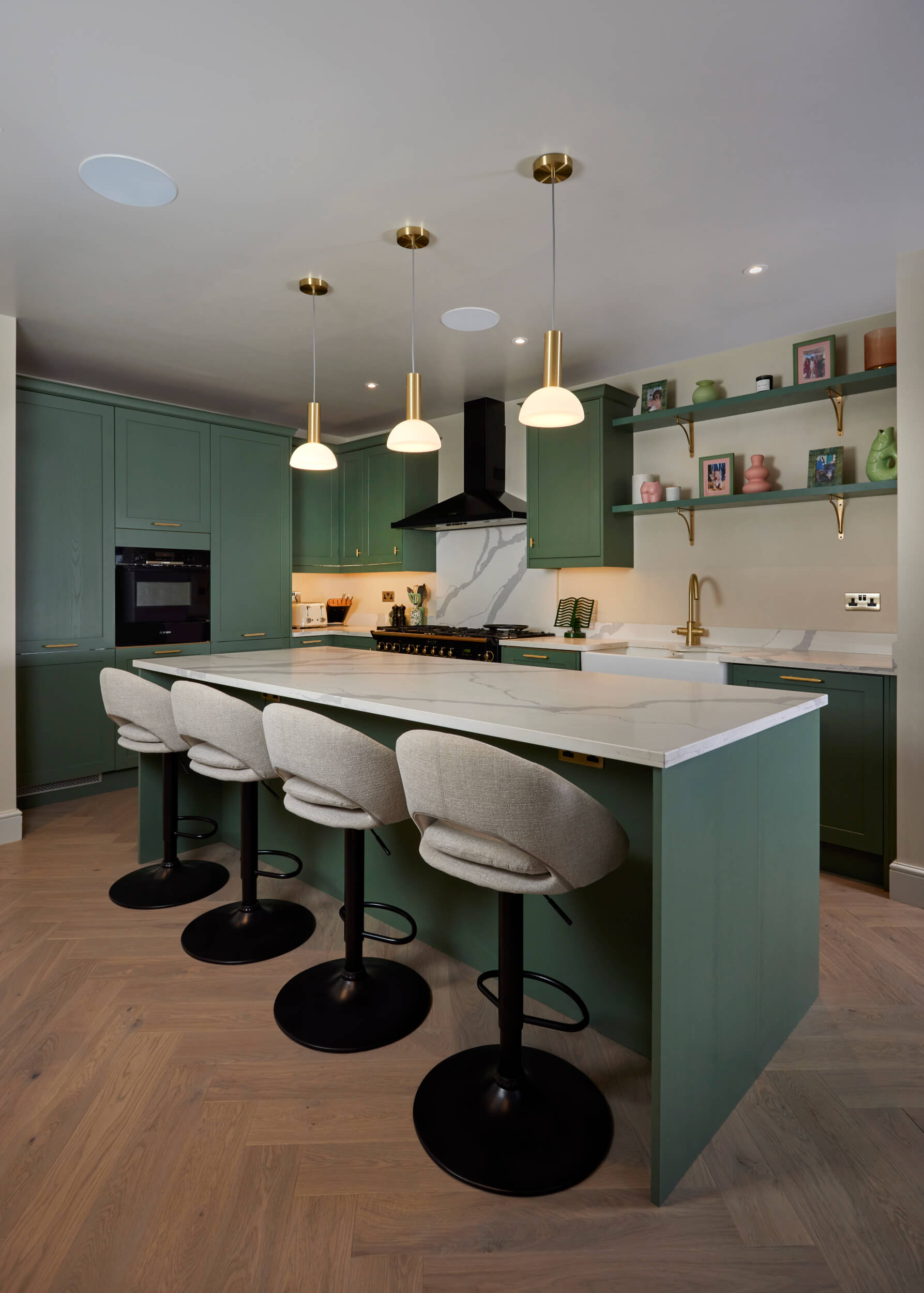
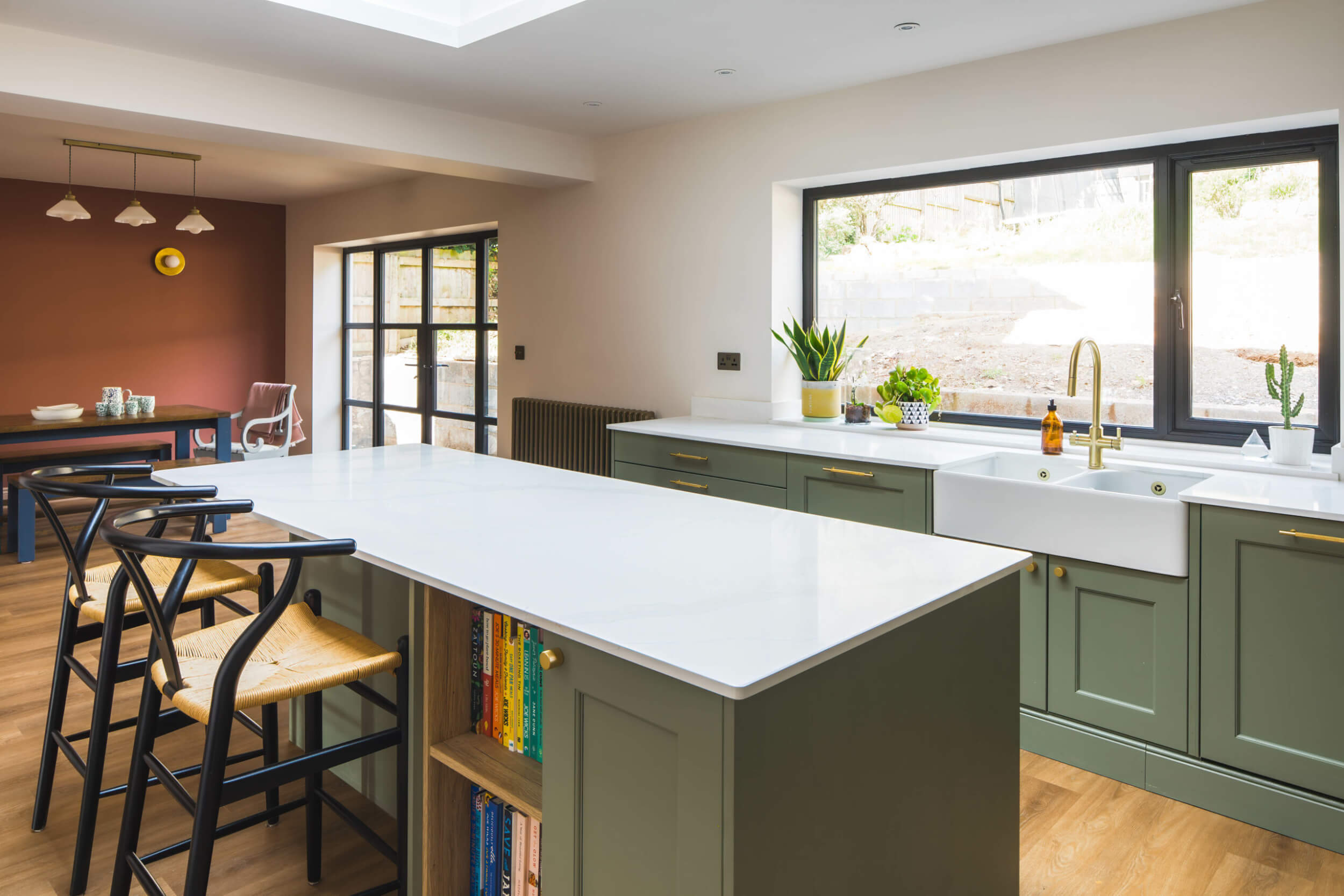
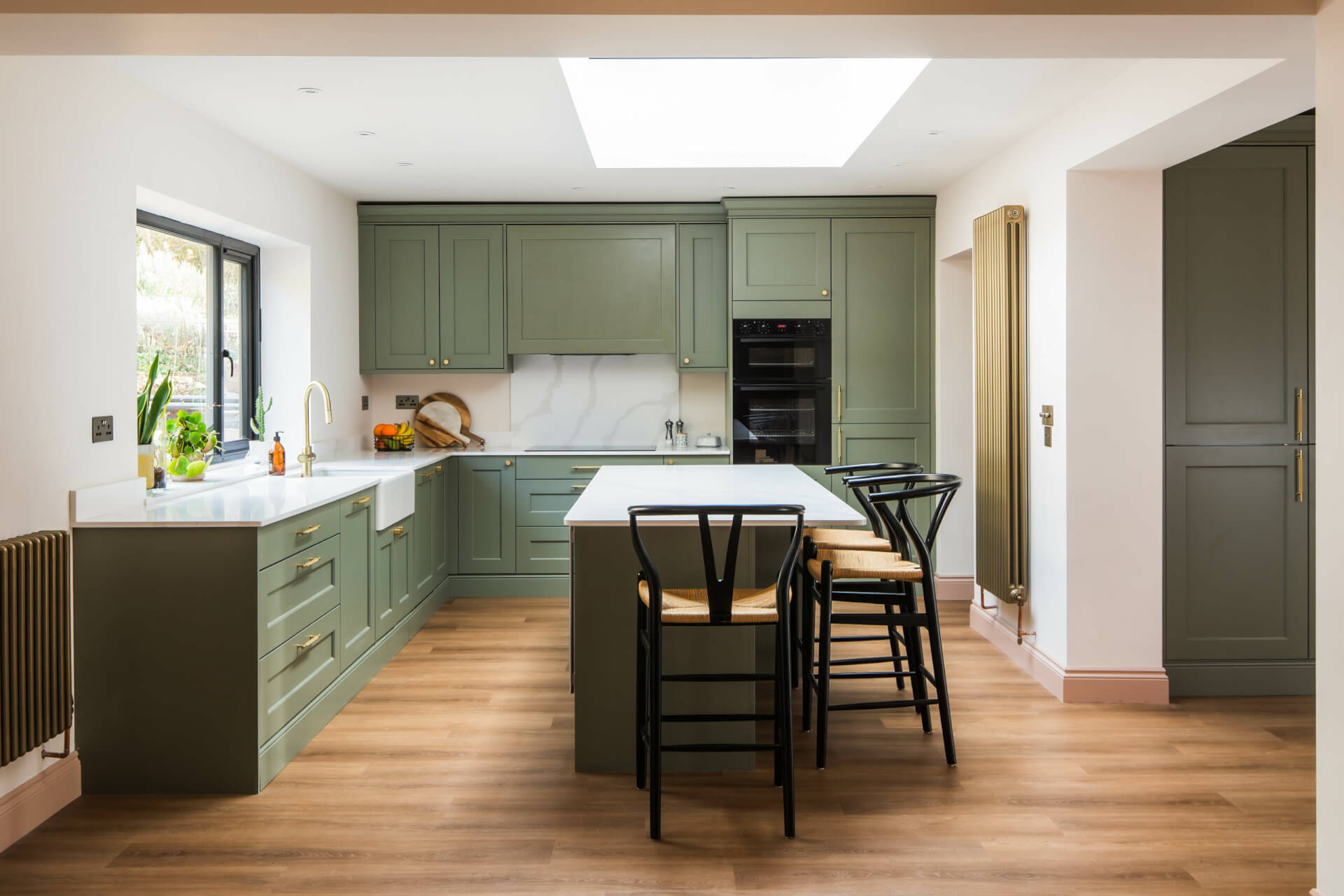
Vard in Bespoke Colour – Mansard, Duck Green

4. Match Your Kitchen’s Style

Your kitchen island should feel like a natural part of your overall kitchen design. Choose materials, colours, and finishes that match your cabinets, countertops, and flooring for a seamless, balanced look. 

Whether you prefer a bold contrast or a soft blend of tones, a cohesive design makes the kitchen feel connected, welcoming, and well thought out. Your kitchen island design should enhance the style of the space rather than stand apart from it.

Don’ts of Designing a Kitchen Island

1. Don’t Overcrowd the Space

A kitchen island that’s too big for your kitchen can block traffic flow and make the space feel cramped. When planning your kitchen island design, take accurate measurements and keep walkways clear so people can move freely. 

The best islands feel proportionate and balanced, adding functionality without overwhelming the room. A well-sized island enhances your kitchen’s layout and flow instead of taking over the space.

2. Don’t Neglect Lighting

Lighting plays a crucial role in any kitchen island design. Pendant lights add both style and atmosphere, while providing the brightness needed for cooking, entertaining, and everyday use. 

Consider adding task lighting above food preparation areas to improve visibility and create a layered lighting effect. Good lighting highlights your island as the centrepiece of the kitchen, combining function with a touch of modern elegance.

Jasper in Grove

3. Don’t Forget Storage Needs

A kitchen island offers much more than a countertop — it’s a key opportunity to expand your kitchen storage. Integrate deep drawers, pull-out shelves, or hidden cabinets to keep cookware, utensils, and small appliances organised. 

Smart kitchen island ideas like built-in wine racks or open shelving can blend function and style beautifully. The right storage options help keep your kitchen tidy and make day-to-day cooking easier and more enjoyable.  Learn more with Ideal Home’s 6 kitchen island storage ideas to make the most of your space, according to kitchen designers

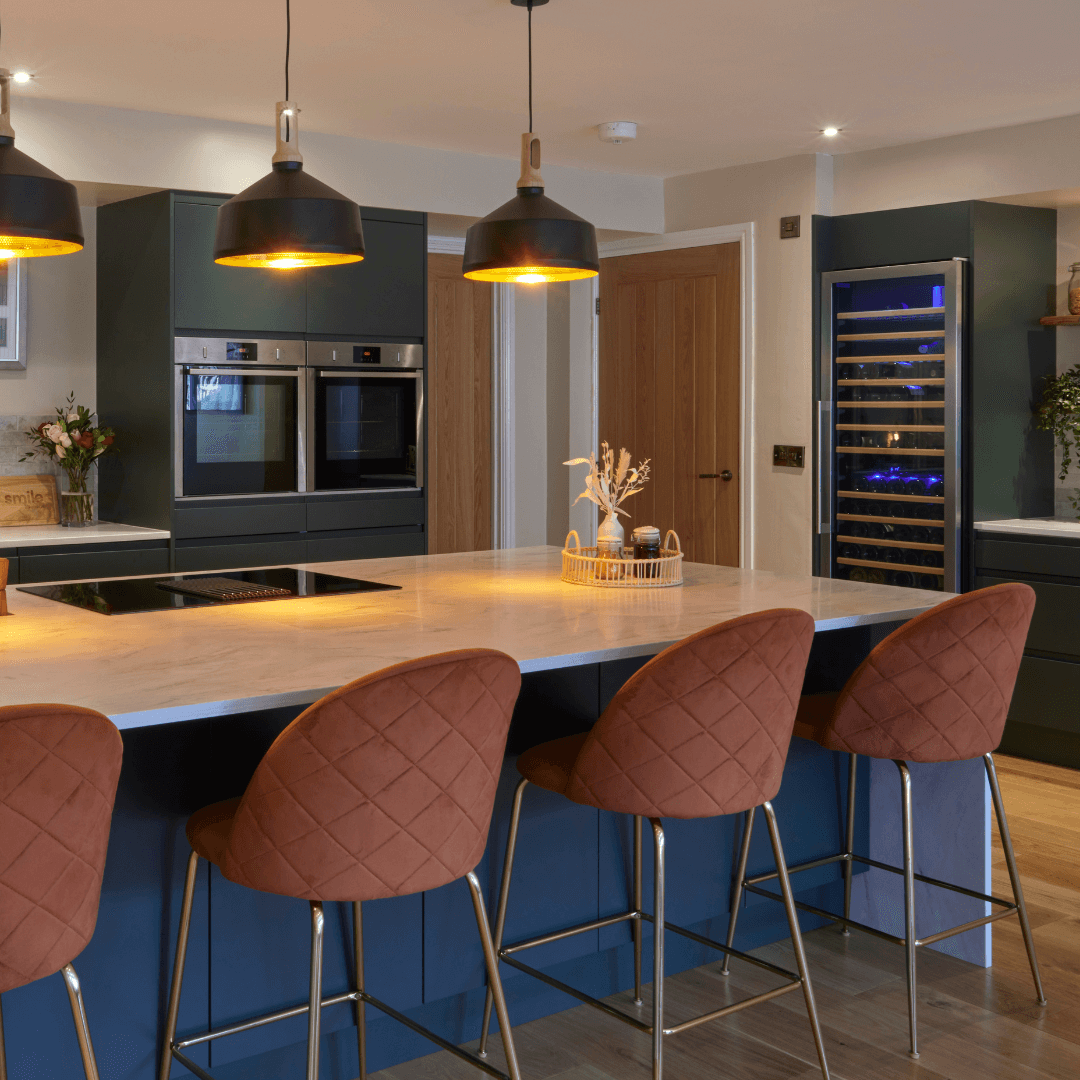
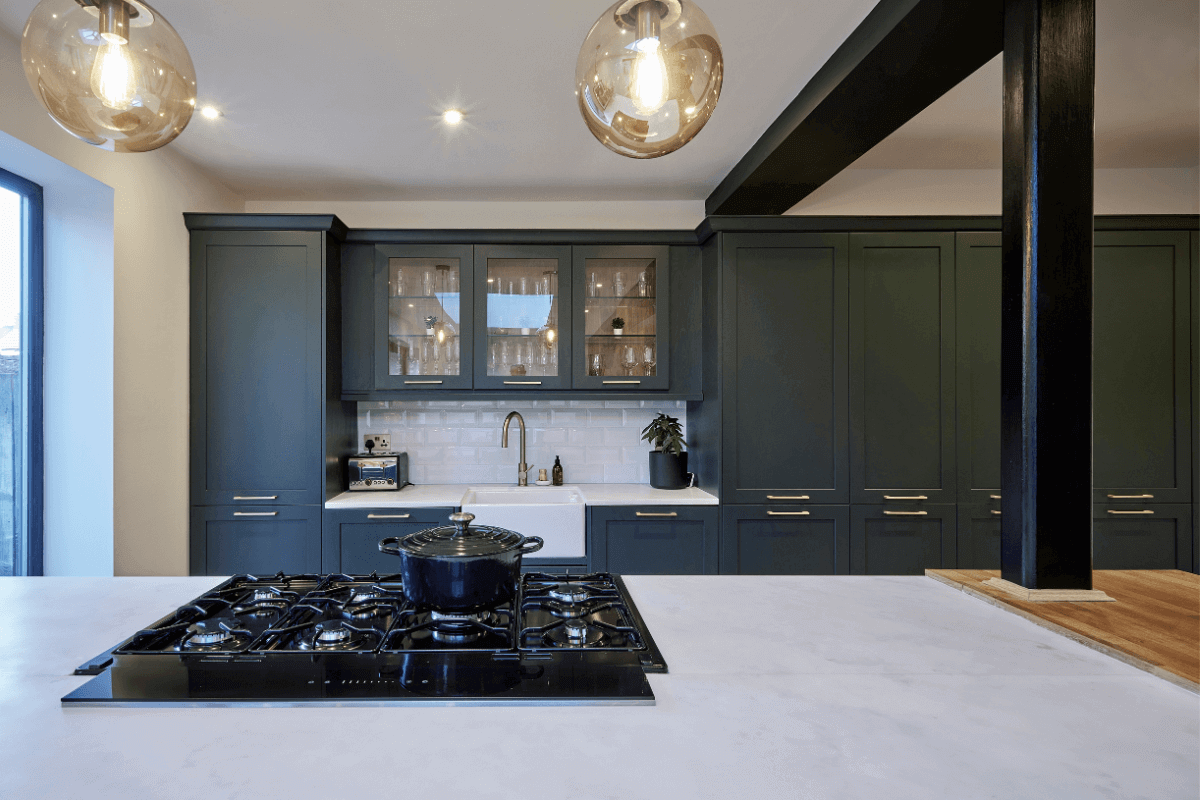
Vard Kitchen in Pearl and Coal, and Hambleton Utility in Onyx

4. Don’t Ignore Electrical or Plumbing Requirements

If your kitchen island design includes appliances, a sink, or integrated outlets, these features must be planned at the start. Adding plumbing or electrical work after installation can lead to unnecessary costs and disruption. 

Early planning allows your designer to position wiring, pipework, and fixtures safely and efficiently, giving you both functionality and a clean, professional finish.

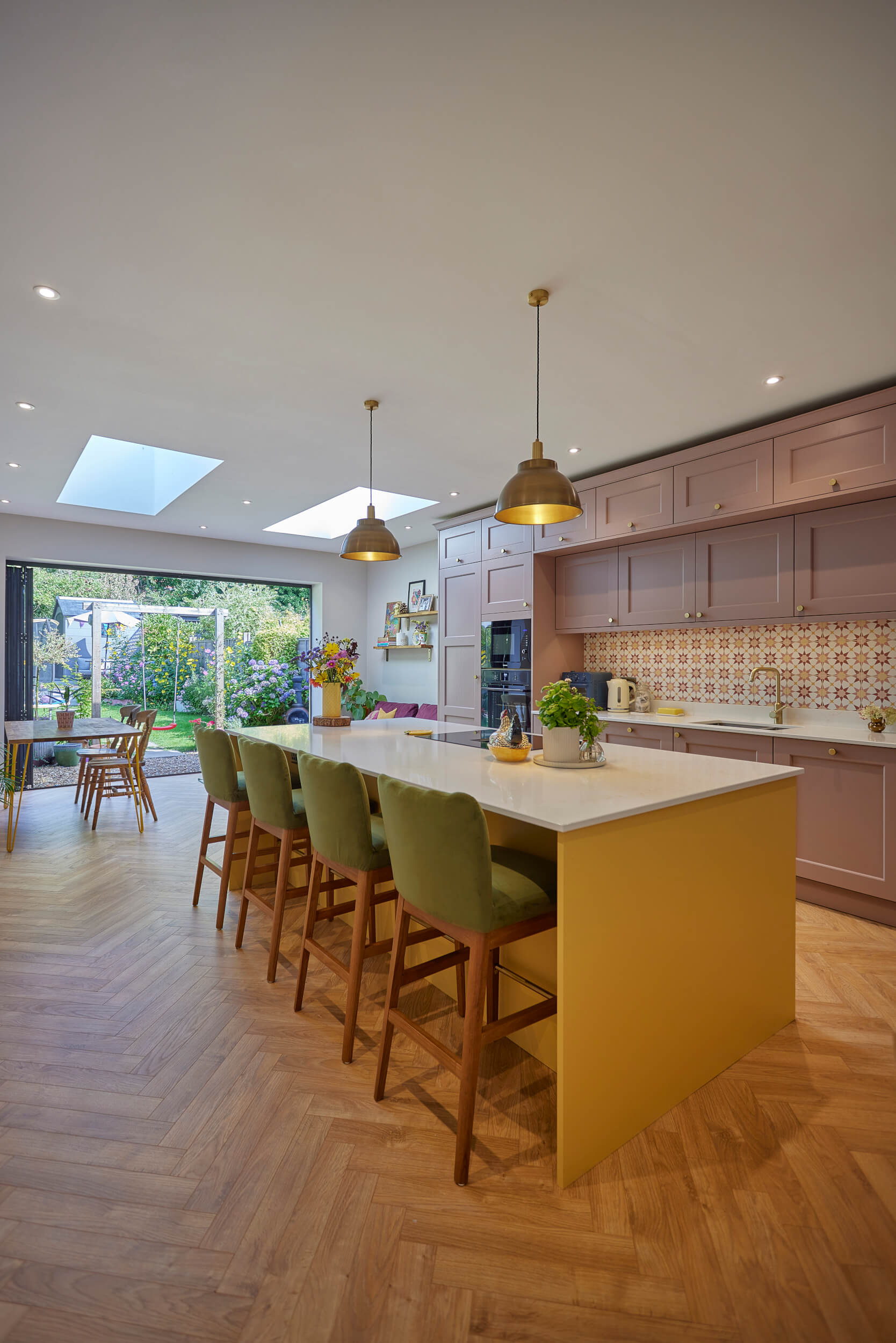
Jenson in Doll and Bespoke F&B Sudbury Yellow

Ready to start your new kitchen island project?

Bring your kitchen island ideas to life with Smile Kitchens. Book a free design consultation and let our expert team help you create a kitchen that’s perfectly suited to your home and lifestyle. 

Or, explore more ideas with our latest blogs. Discover creative kitchen design trends and expert tips for planning your dream space.

Here are a few articles to get you inspired:

> Kitchen island planning – hob or sink

> Kitchen features that can add value to your home

> How much does a new kitchen cost?

Discover more tips & trends Explore Smile Kitchens