
Contents
1. Choosing a Kitchen Style: Key Takeaways
2. Summary of Popular Kitchen Styles and Their Features
3. Why It Might Be Hard to Pick a Kitchen Style
4. Aspects to Consider When Choosing the Right Kitchen
5. How a Kitchen Designer Can Help
6. Frequently Asked Questions

Why It Might Be Hard to Pick a Kitchen Style
Kitchen design encompasses many aspects and features, from wall colours to flooring, plumbing, worktops, tiles, and taps, which is why it’s often difficult to know where to begin or to get a realistic vision of how your kitchen could look.
In fact, kitchens can be a primary aspect in selling a house, so it’s hard to overstate how impactful a premium, custom-designed kitchen might be!
Dawn, Creative Director at Smile Kitchens says,
‘We often speak with clients who know they want a new kitchen and might have one or two prerequisites, such as soft-close drawers, or better natural light.
Beyond that, many are overwhelmed with the amount of choice.
The good news is that designers are skilled in creating designs that reflect the homeowner’s personality and the practical needs of their family, such as storage, while also developing stunning kitchens that add real value.’
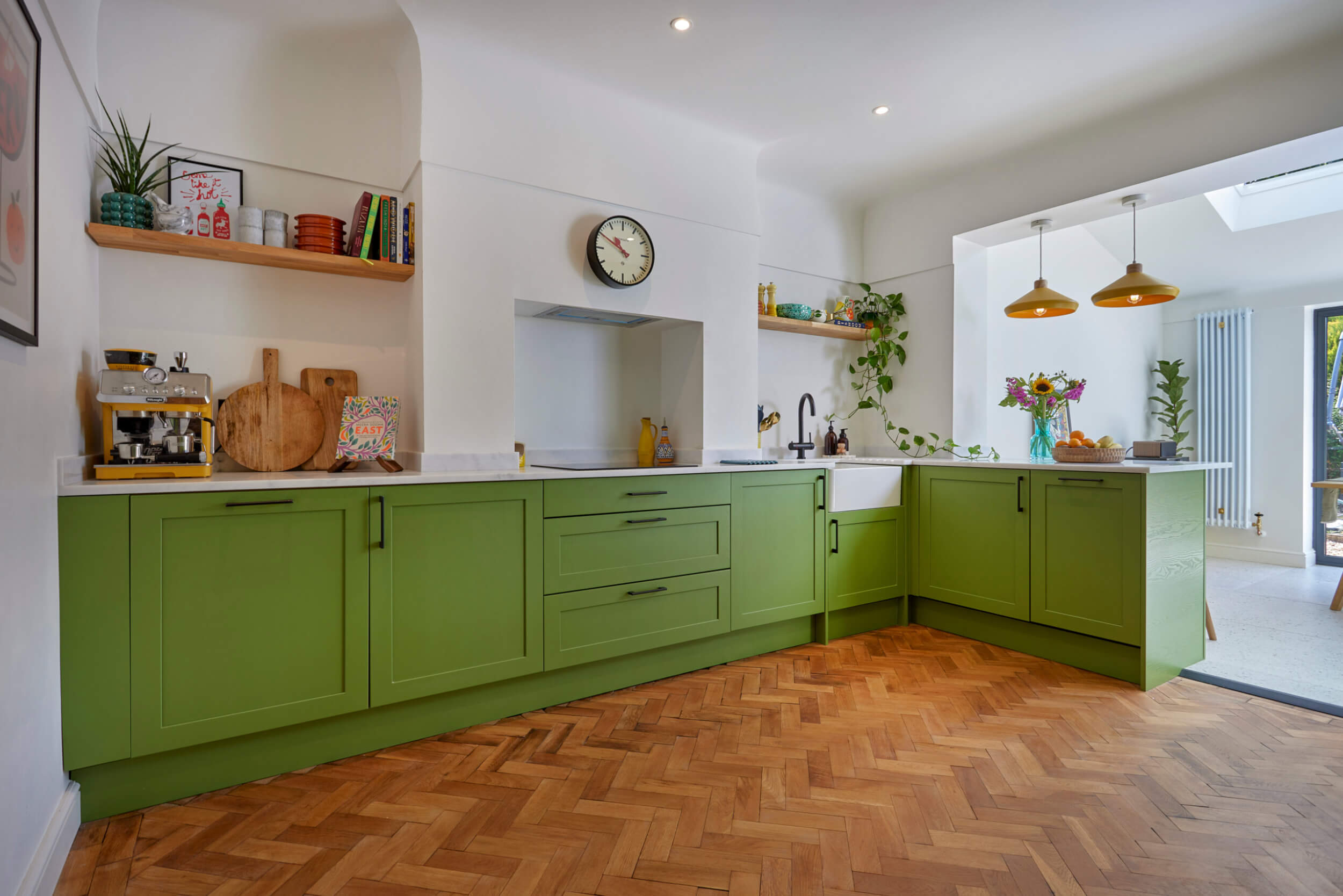
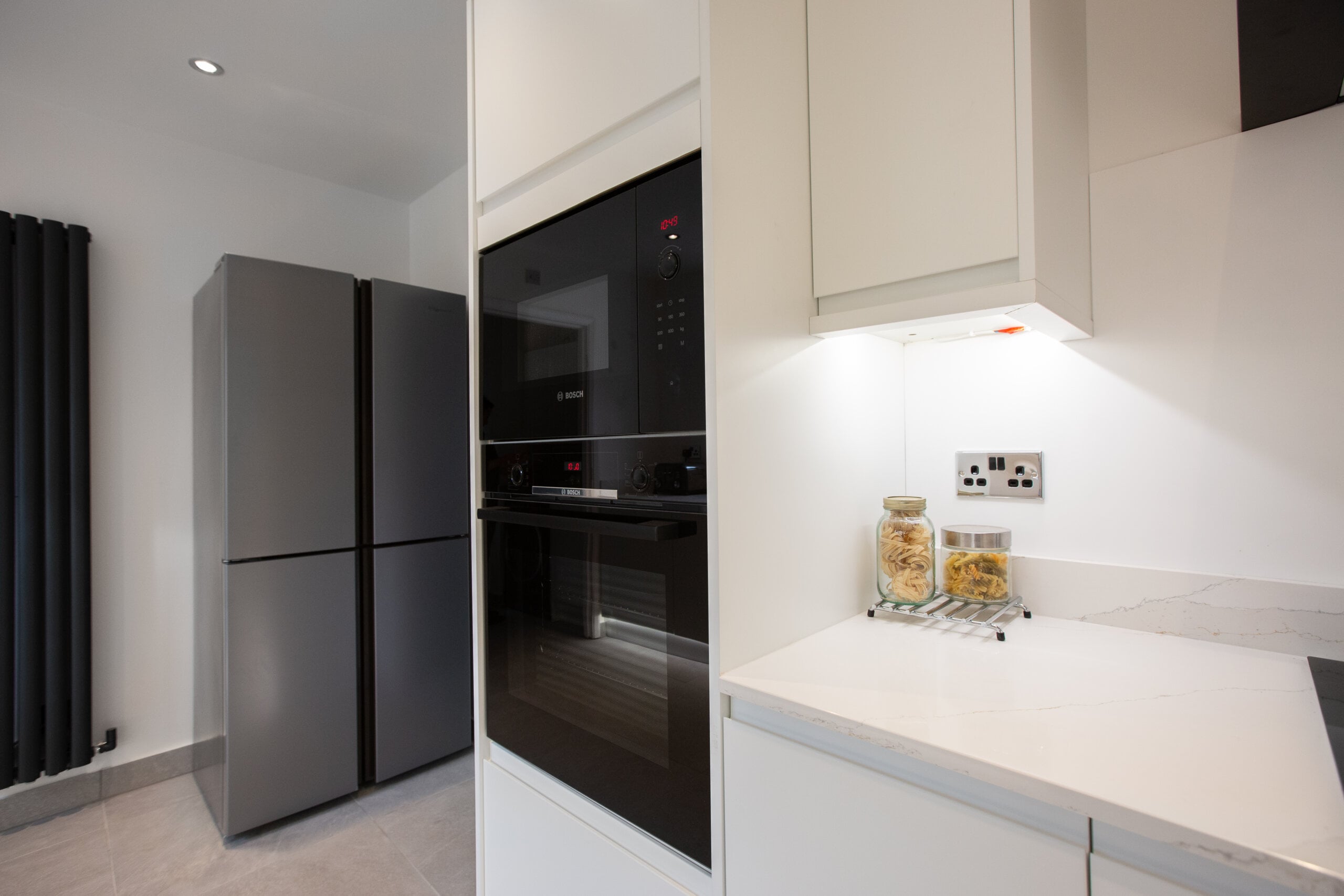
How Can a Kitchen Designer Clarify the Best Options?
Designers provide consultations and design mock-ups to take into account all of your ideas and non-negotiables, and build them into digital designs based on accurate measurements and the floor space of your existing kitchen.
They can also help with kitchen planners, where you can try different colours or positions for appliances and sinks, see how you’d incorporate extra storage into a small kitchen, or test varied worktops to inform your decision-making.

Having design expertise on your side is always beneficial, and if you decide you’d like to make some changes or want to compare the cost of two different kitchen styles, you’ll be able to explore options and compare costs before committing to installation
Samples can also be sent directly to you, which can crystallise your decision-making if you’re torn between two options, can’t work out which would look best, and want to see how a material will reflect the light and interact with other elements of your home.