Kitchen Sink Ideas: Smile’s Complete Guide to Sinks

By Nicholas McDonald

5 min read

Explore different sink styles, materials and practical features to help you find the perfect fit for your kitchen and lifestyle.

Table of Contents

1. Before You Start: Three Questions to Ask Yourself

2. Step 1: Choose Your Sink Size and Bowl Configuration

3. Step 2: Pick the Best Sink Material for Your Kitchen

4. Step 3: Choose an Installation Style

5. Matching Your Sink to Your Lifestyle

6. Don’t Forget Taps, Waste Disposal and Accessories

7. Kitchen Sink Checklist: Quick Summary

8. Frequently Asked Questions

Book a Free Design Consultation

Choosing a kitchen sink might seem like a small decision within a bigger kitchen design project, but it’s actually one of the most influential you’ll need to make! Sinks impact everything, from how your kitchen looks to how easy it is to cook and clean.

Remember: the kitchen sink is also likely used more than every other element of the Kitchen!

At Smile Kitchens, we often advise that great sinks aren’t just about style but also about how you use your kitchen.

Whether you cook often, entertain guests or want a kitchen that’s simple to maintain, the size, type and placement of your sink all need to work.

Kitchen sinks need to look amazing alongside your worktops and cabinets, but they also have to support how you live, ensuring you’re not sacrificing design for functionality, or vice versa. Read our guide to kitchen sinks here!

Before You Start: Three Questions to Ask Yourself

As with all kitchen design choices, taking a step back and revisiting your priorities is a good way to ensure you’re making sensible decisions that align with your original brief. We’d suggest thinking about:

1. How Much Space Do I Have for a kitchen sink?

The available space, once you account for your worktops and cabinets, will dictate how large your sink can be, and the type of sink you can fit. Streamlined, compact sinks naturally work better within smaller kitchens. However, you could go for an oversized or double sink if you have the space.

You might also be choosing between a kitchen sink on an island under the window. This will dictate how much space you have / need. 

Kyal, a Kitchen Designer at Smile Worktops says that “The worktop material will also dictate which style of sink you can have which can massively impact cost. Think going from Laminate to Quartz for the sake of an undermount sink. Most 1.5 bowls require 700mm unit or bigger and some Kitchens do not have space for a big enough Sink unit.”

2. How Do I Use the Sink?

If you wash up, prep fresh veg, or soak large pans daily, these tasks will all impact which type of sink is easiest to use.

3. How Much Kitchen Maintenance Am I Comfortable With?

While kitchen sinks might appear fairly similar, there are multiple materials to choose from, some of which require significantly more upkeep than others.

For example, stainless steel is durable and easy to clean, granite composite is highly resistant to scratches and stains, ceramic sinks can be prone to chipping if heavy items are dropped, and natural stone options such as marble or granite often need regular sealing to protect against stains and water damage.

Understanding the maintenance requirements of each material can help you choose a sink that’s practical for your lifestyle.

Step 1: Choose Your Sink Size and Bowl Configuration

How to Measure for a New Kitchen Sink

If you already have a cabinet or base unit, you’ll need to start by measuring it, ensuring your sink is slightly below the cabinet width and has enough space to be installed and supported. 

The depth of the sink also matters. Deeper sinks are designed for washing larger items, and shallower sinks are great if you dislike leaning or find that this causes backache.

Single Bowl Sinks: Pros & Cons

  • Single bowls mean there’s more space without a divide. Washing trays and pans is simpler as the bowl is bigger.
  • Single sinks also only have one available bowl, which doesn’t work for multitasking or when two people are cooking at the same time.

Double Bowl Sinks: Pros & Cons

  • 1.5 bowl and 2.0 bowl sinks offer added flexibility. A smaller secondary bowl is ideal for rinsing vegetables or draining pasta, while a full second bowl provides extra space for washing up and food preparation.
  • If you split one sink into two bowls, that means you’ll be reducing the size of each bowl, so be sure this’ll work for you.

Low-Divide and Drainboard Sinks

A low-divide sink is a hybrid, usually with two bowls fitted into the space of a single sink, but with a lower partition in the middle. 

Another option is a drainboard sink, which features a built-in draining area beside the bowl. While it takes up more space than a standard single-bowl sink, it eliminates the need for a separate drying rack, helping to keep your worktop clear.

Step 2: Pick the Best Sink Material for Your Kitchen

Stainless Steel Sinks

Stainless steel is classic, popular, and affordable, making it a long-lasting, easy-to-clean sink option. You’ll find stainless steel sinks in both modern and traditional kitchens, though be aware that they can show watermarks easily – especially in hard water areas. 

Granite Composite Sinks

Granite composite is known for its scratch resistance and durability, withstanding wear to ensure the matte, textured finish looks as new for longer. These sinks come in a wide range of colours if you’d like a statement sink and they’re also higher end!

Fireclay Sinks (Commonly referred to as Butler sinks)

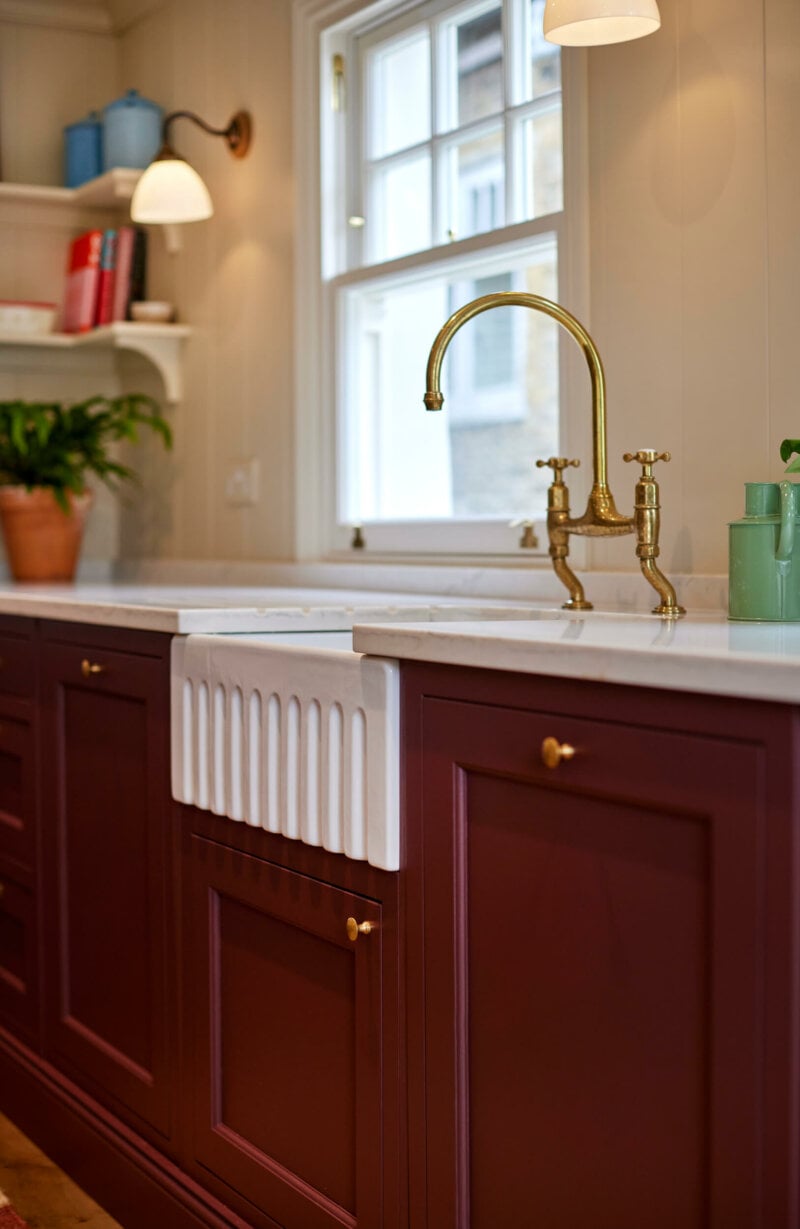
Fireclay sinks are commonly used in farmhouse-style kitchens. They’re a deeper bowl made from hardened ceramic that can last for decades, but they are also expensive and very heavy to transport and install.

Cast Iron Sinks

Cast iron sinks are created from iron and coated with an enamel that gives a smooth, high-gloss finish. This type of sink is incredibly durable and has a classic look, though it can chip under heavy impact.

Ceramic and Copper Sinks

Ceramic and copper sinks can have a more striking visual look, with the former a classic kitchen sink style that lasts well. Copper is a statement, but both options require more maintenance than other potential materials.

Step 3: Choose an Installation Style

Undermount Sinks

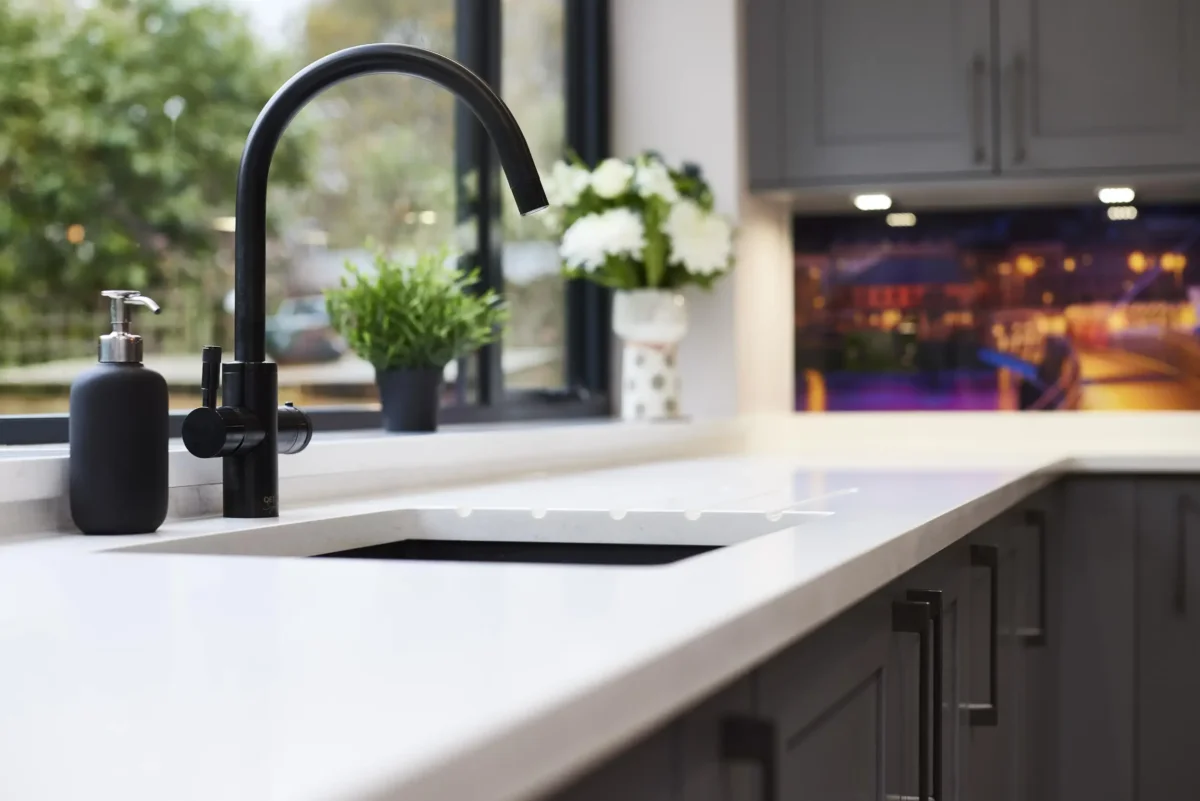
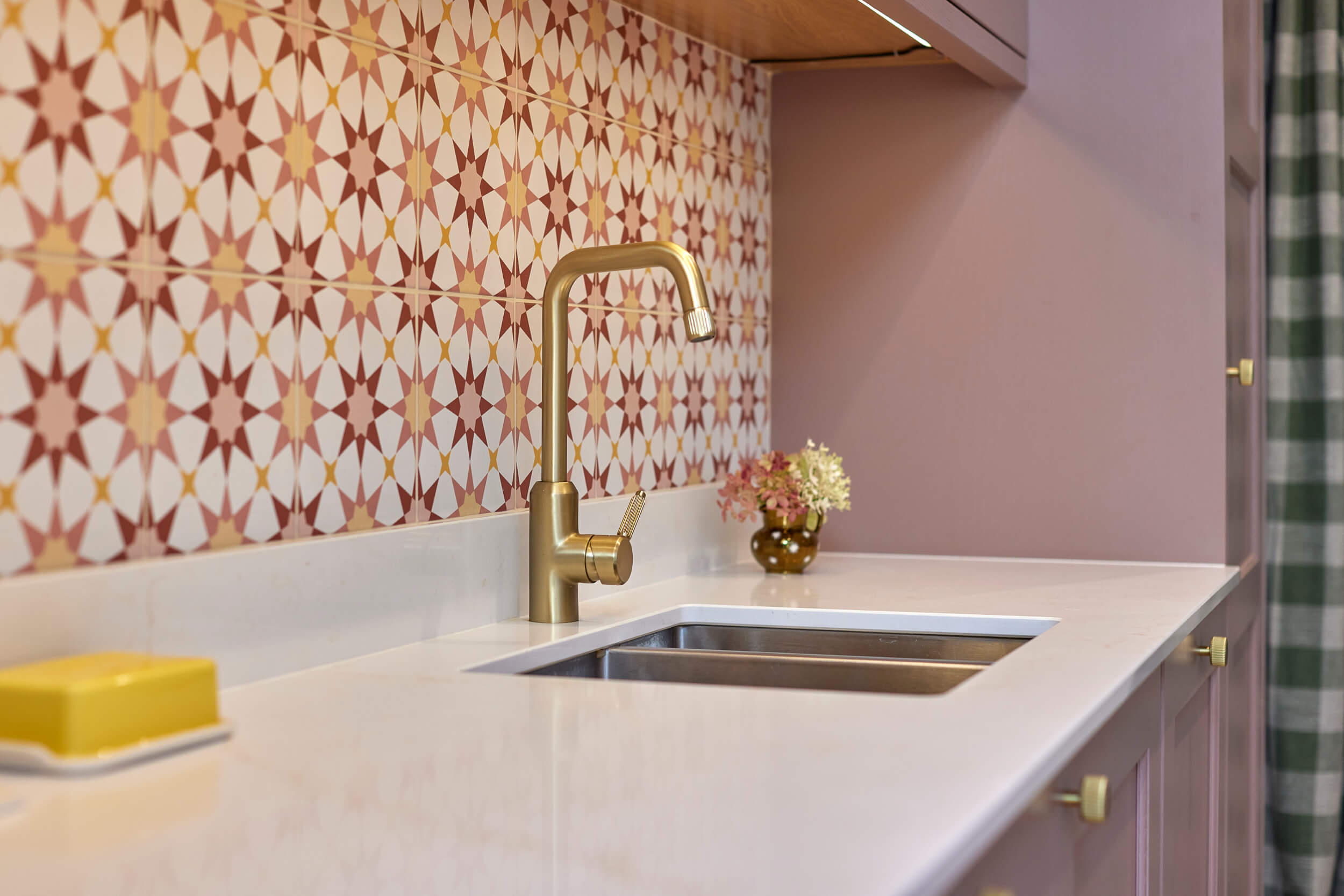
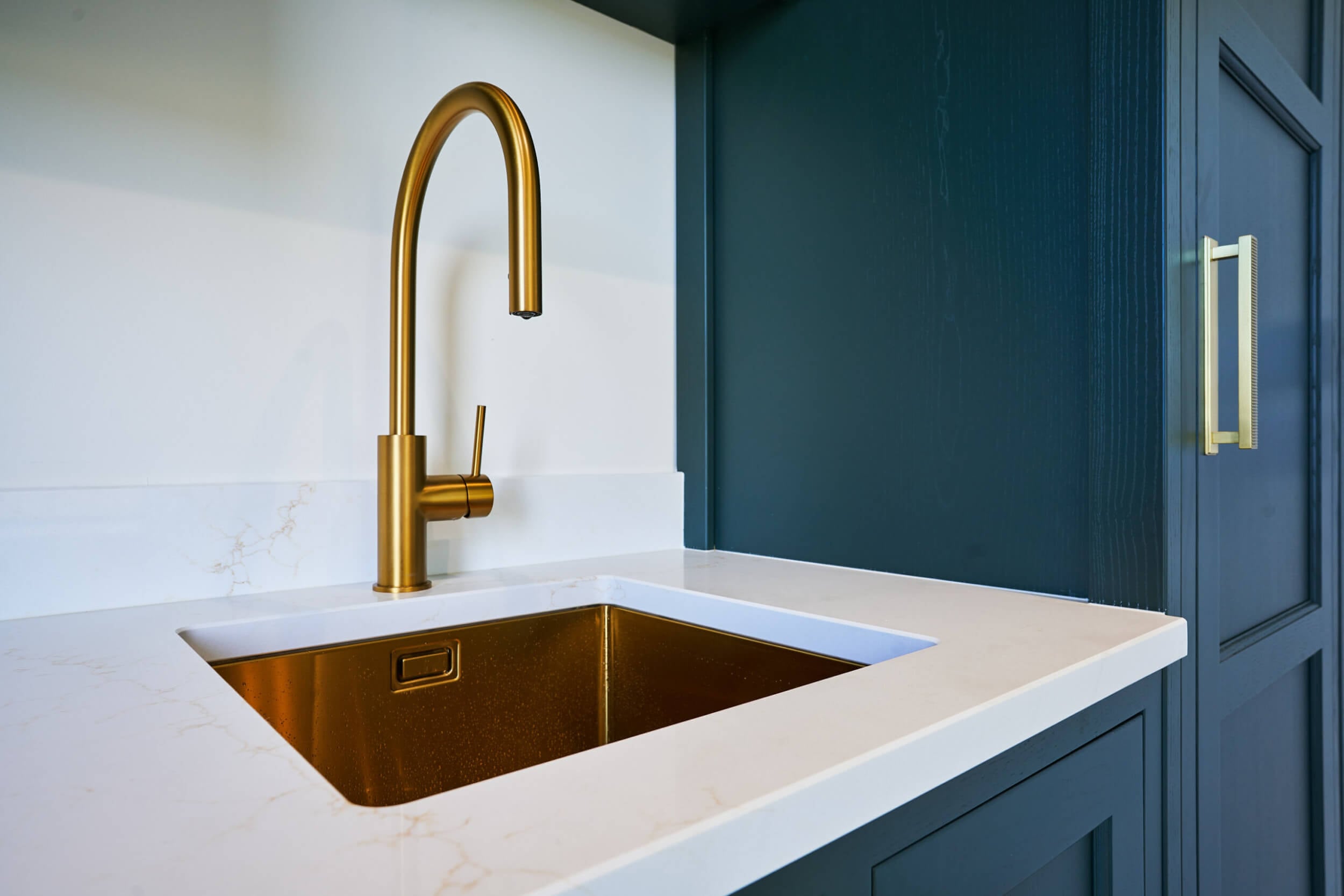
Undermount sinks are modern and chic, with the sink recessed beneath the worktop, which can either sit flush with the top of the basin or slightly overhang it. However, note that some sinks aren’t compatible to be fitted undermount and may be designed to overlap the worktop. 

Top-Mount (Drop-In) Sinks

More of a familiar style, top-mount sinks are ‘dropped’ into the unit, with the edges resting on the worktop. These are more affordable than undermount sinks and easier to install.

Farmhouse/Apron-Front Sinks

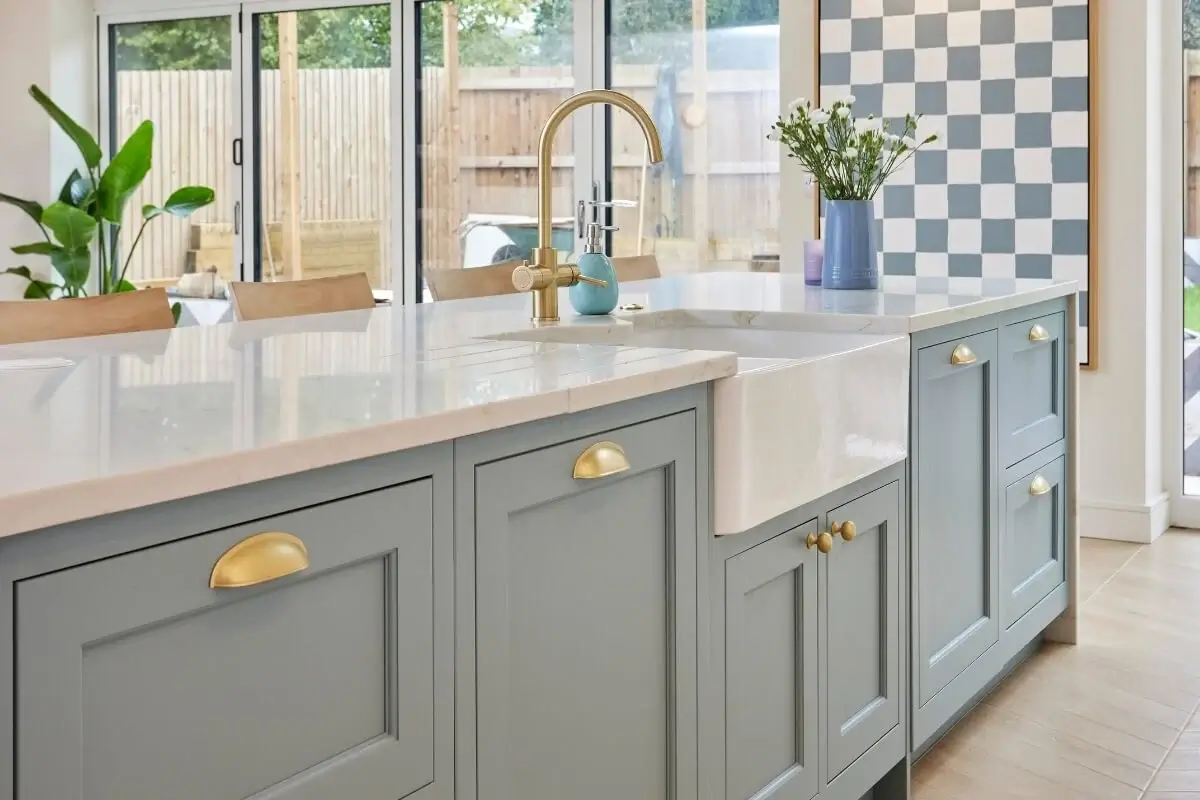
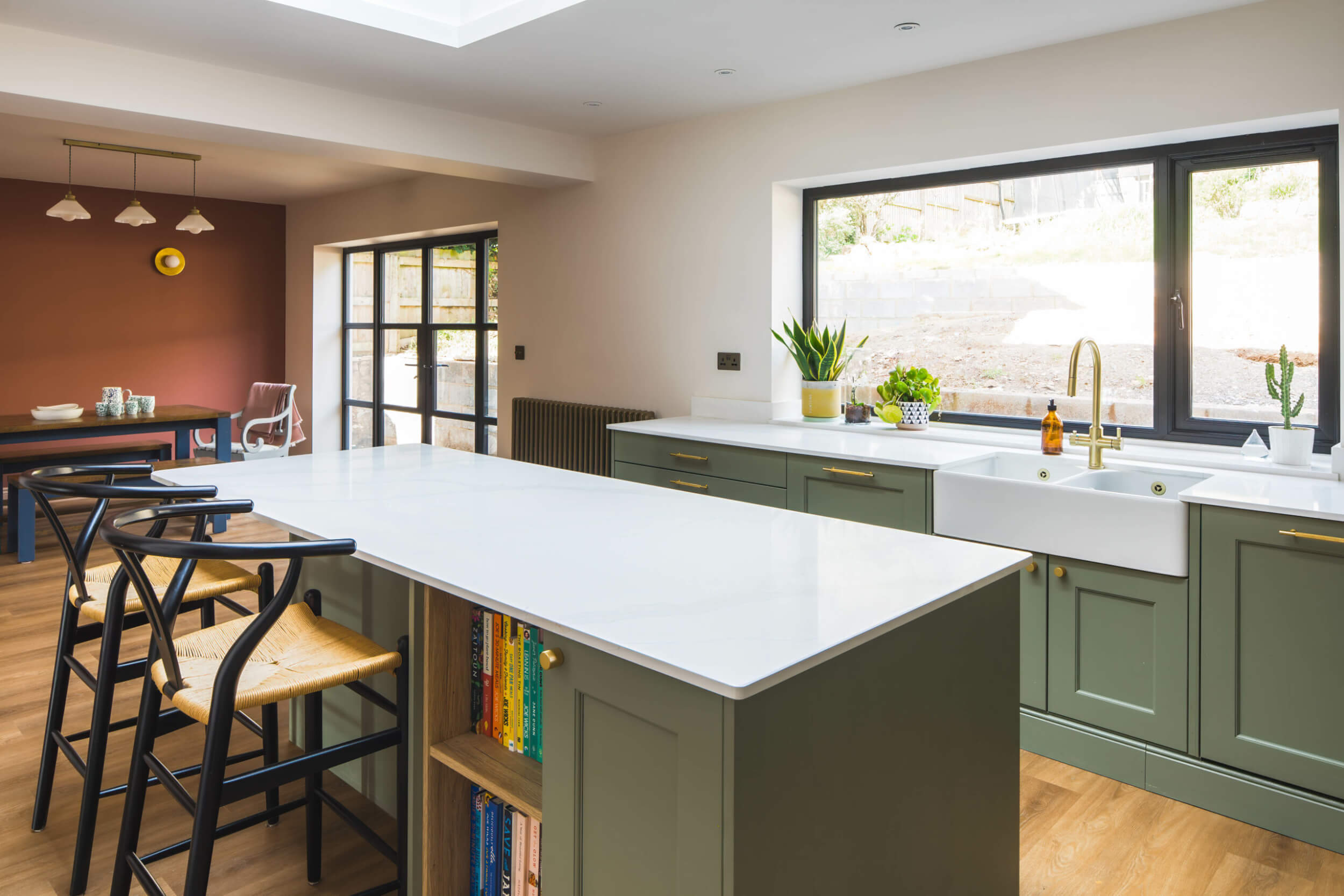
Excellent for country kitchens and period homes, farmhouse sinks extend past the edges of the cabinet. They’re often made from premium materials like fireclay and are sometimes referred to as butler sinks.

Flush-Fit Sink Designs

A flush-fit sink falls between an undermount and a top-mount sink, with the edges of the sink exactly level with the worktop. The level joints between the counter and sink look modern and make this the easiest option for cleaning. 

Matching Your Sink to Your Lifestyle

The sink style and the materials you pick will depend on what matters most. Here are some quick-fire suggestions on the sinks you might choose based on your lifestyle:

  • Busy family homes often opt for sinks that are easy to clean and durable, with granite composite and stainless steel typically the most popular options.
  • Passionate cooks tend to choose larger, single-bowl sinks because they allow them to wash oversized catering cookware, which would be tricky in a double sink.
  • In compact kitchens, space-saving is a priority, and integrated drainboards and smaller sinks are generally better, as they remain functional without taking up too much of the available worktop.
  • Hosts usually choose double-bowl sinks, which allow them to handle multiple tasks, such as soaking dishes in one sink and washing in the other.

Not sure which kitchen sink is right for your space? Smile Kitchens can help you choose a sink that suits your layout, lifestyle, and design preferences.

Don’t Forget Taps, Waste Disposal and Accessories

The sink comprises the basin itself, and you’ll still need to choose taps and accessories. Like every aspect of kitchen design, there are many options, including:

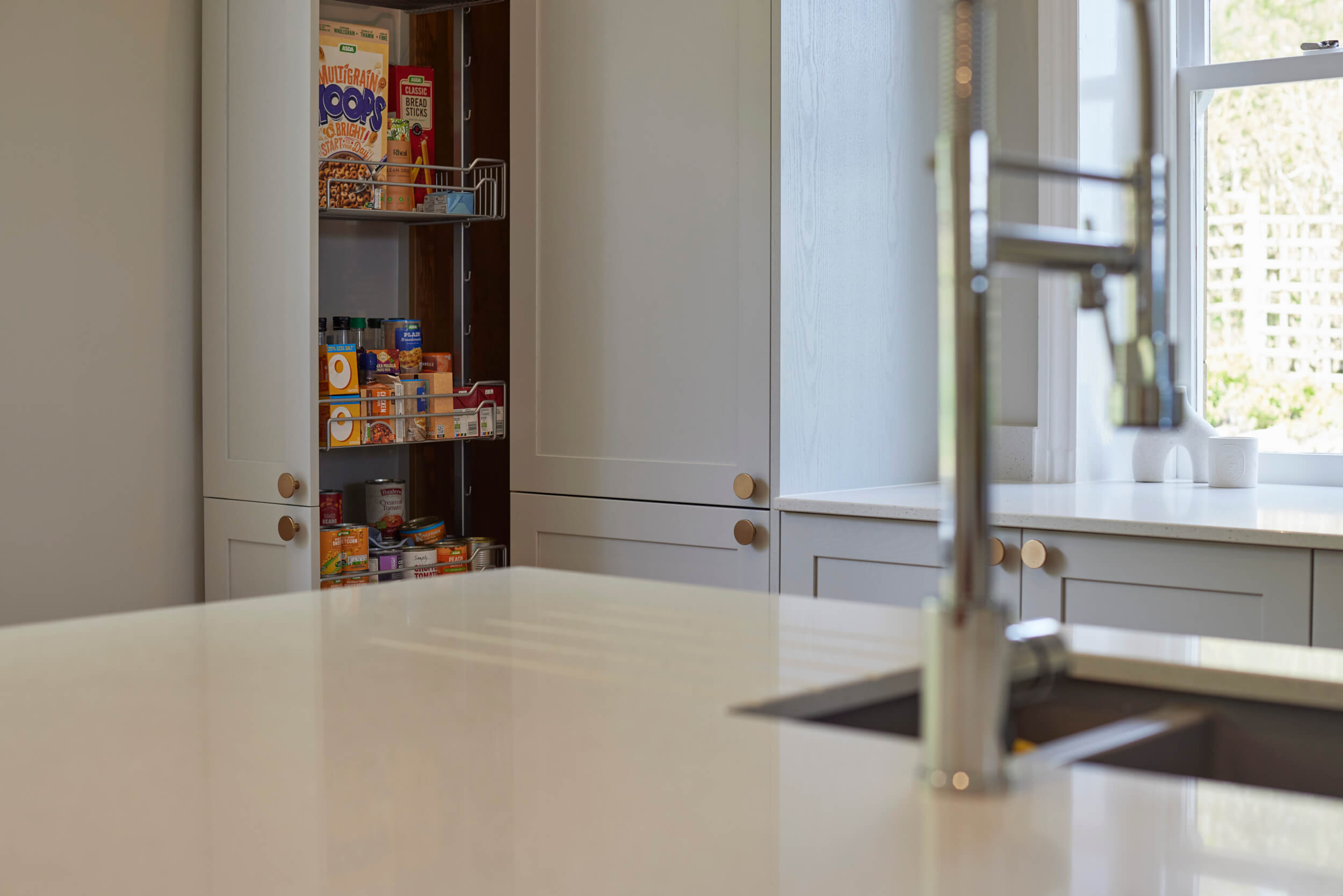
  • Pull-out taps with a stretchy cord that allows you to rinse dishes and clean the sink without bending or leaning.
  • Hot water taps to speed up tea and coffee prep or to cook potatoes, rice, and vegetables.
  • Accessories like integrated chopping boards, drying racks, and colanders, which can be space-savers for smaller kitchens.

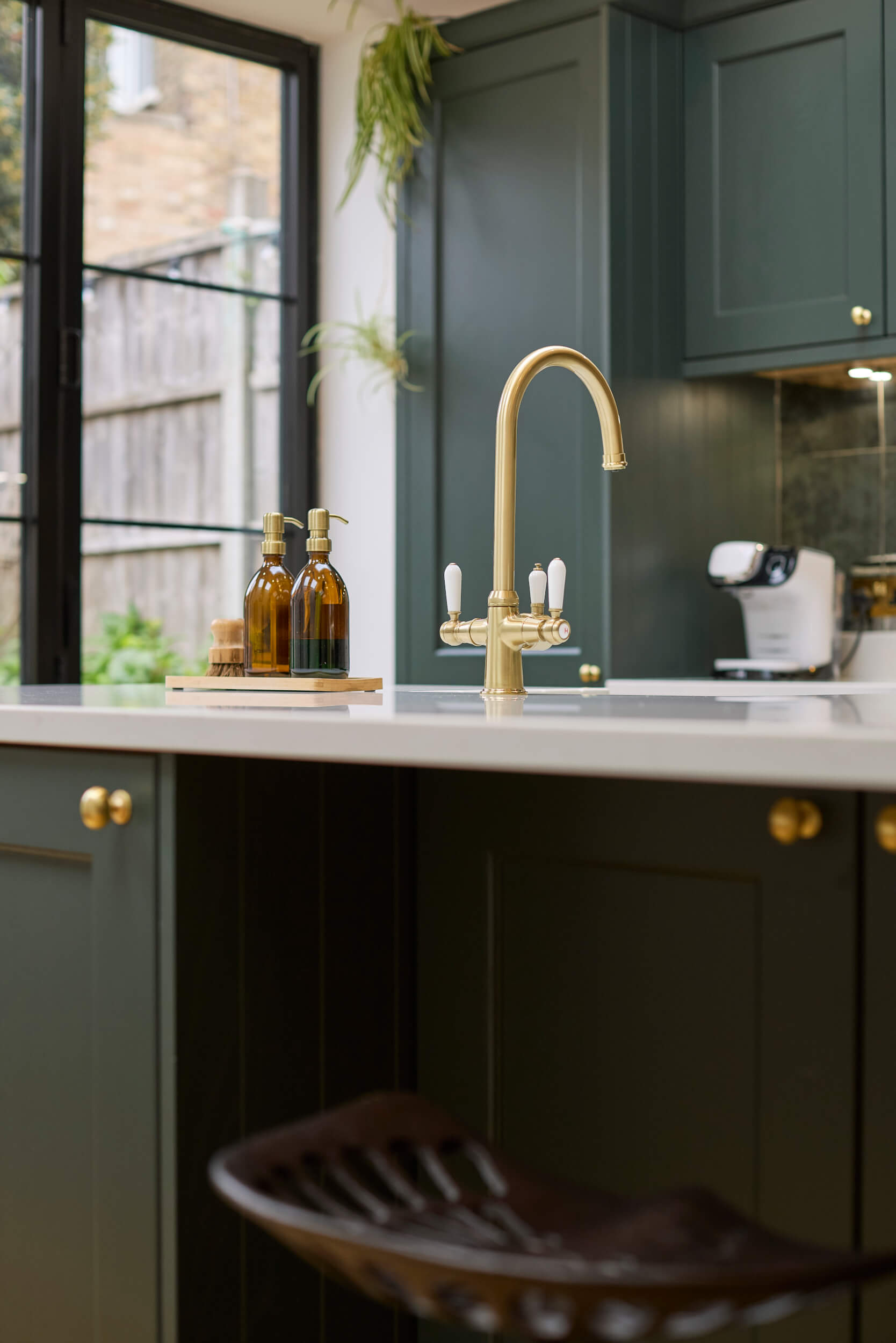
Generally, homeowners coordinate their finishes, picking, for instance, chrome, matte black, or brushed brass for both the sink and accessories like strainers, ensuring that everything matches.

Kitchen Sink Checklist: Quick Summary

If you’re overwhelmed, rest assured you’re far from alone. Here are some brief recommendations from our design team that might help you decide:

  • Ideal kitchen sink for durability: Granite composite or stainless steel
  • Best sinks for low-maintenance kitchens: Quartz composite or stainless steel
  • Perfect sink for modern spaces: Undermount stainless or flush-fit sinks
  • Great option for traditional kitchens: Fireclay or ceramic sinks
  • Suggested for compact rooms: A single bowl or drainboard sink

You’re always welcome to contact us or browse our gallery of real kitchens for even more inspiration!

Frequently Asked Questions

What Is the Best Material for a Kitchen Sink?

There isn’t one universally better option because your priorities will influence your decisions. Stainless steel might be affordable and simple, for instance, while granite is more durable with a premium finish.

Is a Single- or Double-Bowl Sink Better?

Typically, a single-bowl sink is great for washing and cleaning larger items, whereas a split double-bowl sink lets you use two separate basins at the same time.

What Is the Difference Between Undermount and Top-Mount Sinks?

Undermount sinks are mounted underneath the worktop, hence the name, while a top-mount sink is installed from above, the latter being easier to install and often cheaper. 

Are Granite Composite Sinks Worth It?

If your kitchen redesign budget stretches to a granite composite sink, we’d say it’s well worth it, especially if you want a dream kitchen that is equal parts contemporary and durable.

What Size Kitchen Sink Should I Choose?

The size of the sink is just as important as the style you pick and what it’s made of. 

Our recommendations will depend on the size of the cabinet, but the best advice is to ensure the sink fits comfortably within the base unit and is large enough for your regular kitchen tasks.

Explore Smile Kitchens’ bespoke kitchen designs to discover premium sinks, worktops, and practical features tailored to modern living.

Book a Free Kitchen Design Consultation