
Open Plan Kitchen vs Closed Kitchen – Which Is Better?

By

4 min read

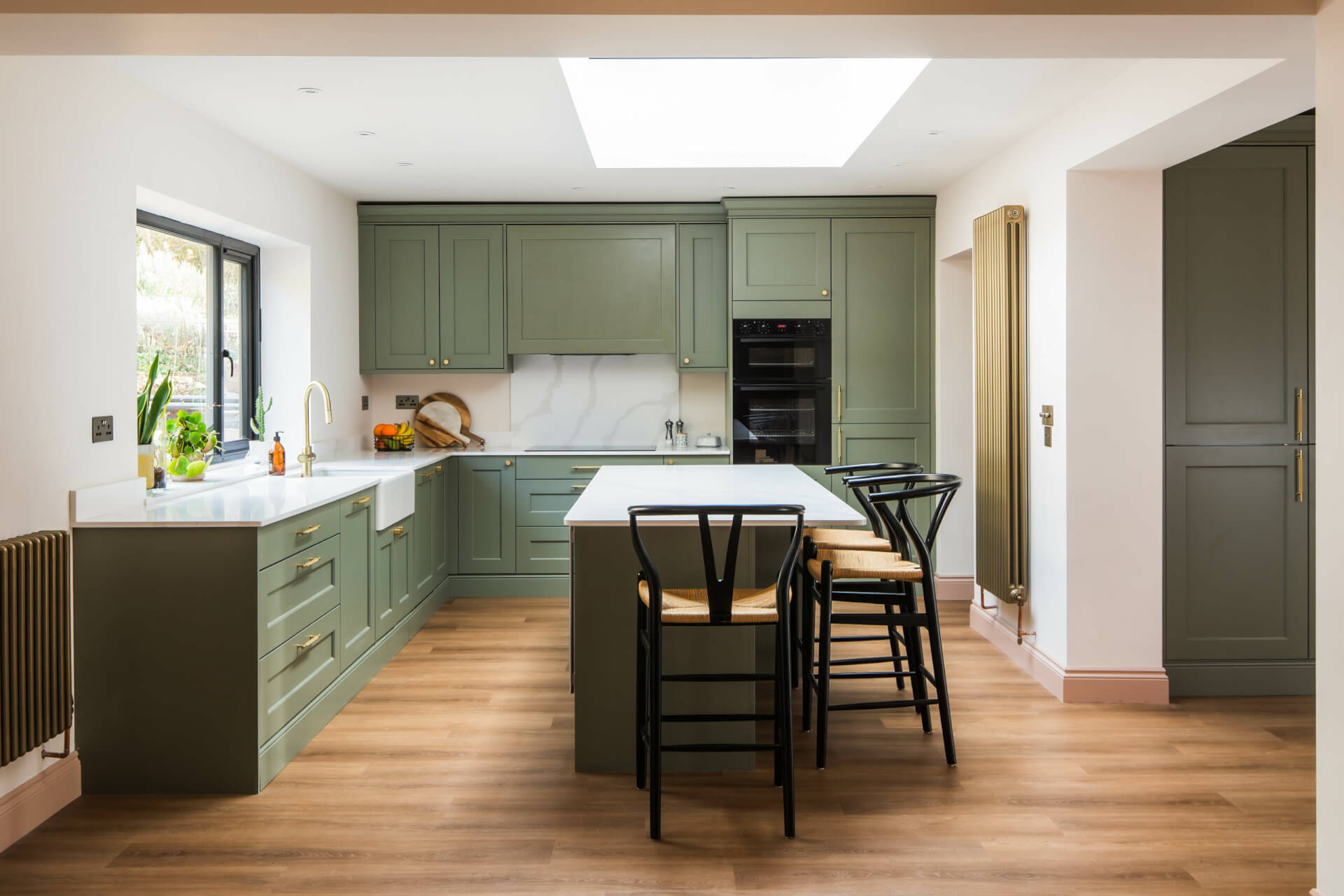
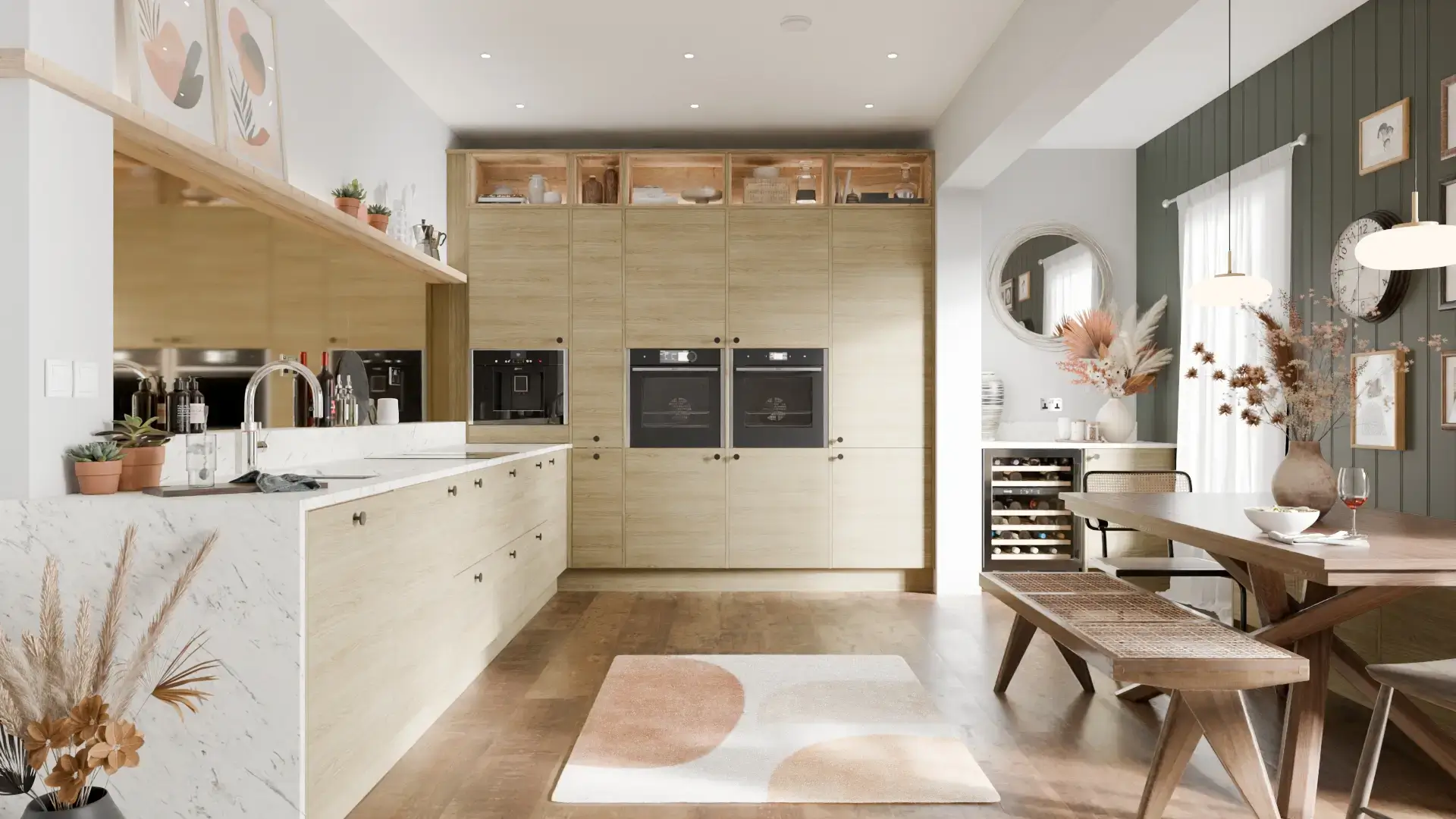
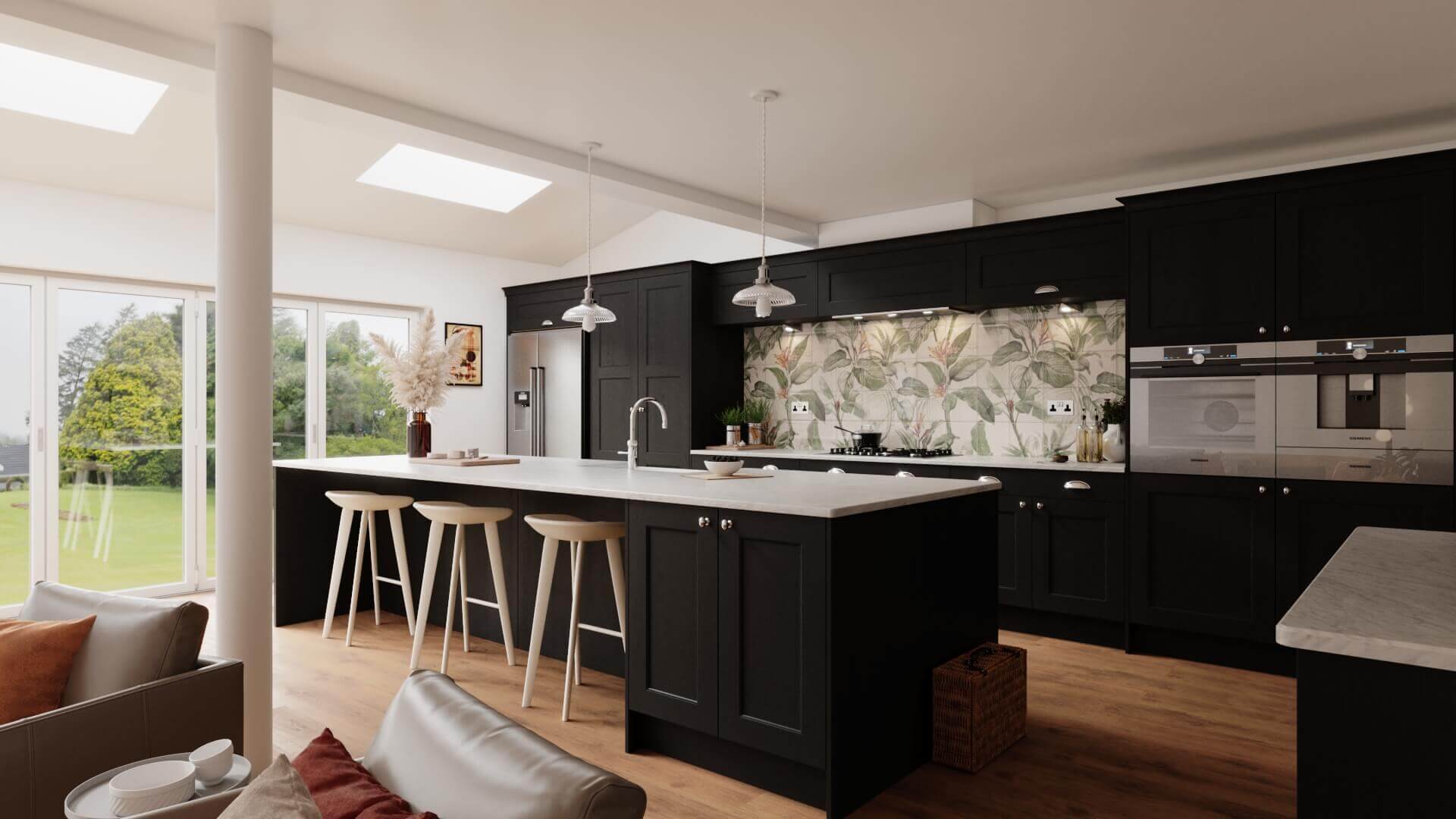
Open plan kitchens are ideal for households where the priority is designing a space where everyone can socialise and chat while cooking, eating and entertaining, whereas a closed kitchen is great for homeowners who want a quiet, uncluttered space, or defined areas for different activities.

open plan vs close plan kitchens

Contents

1. Introduction: Open Plan Kitchen vs Closed Kitchen – Which Is Better?
2. Key Takeaways: Open Plan vs Closed Kitchens
3. What Are the Pros and Cons of Having an Open Plan Kitchen?
4. What Are the Benefits and Drawbacks of a Closed Kitchen?
5. Which Is the Best Kitchen Layout for My Home?
6. Frequently Asked Questions
7. Conclusion and Next Steps
Request Our Kitchen Brochure

Neither is necessarily better or worse, but a lot will depend on how you use your kitchen, the size and layout of your home, and the designs and styles that will work well for your household.

The bespoke kitchen designers at Smile Kitchens have compiled some pros and cons to help you decide, clarifying the positive and negative aspects of each layout that may apply to your kitchen design.

Open Plan vs Closed Kitchens: Key Takeaways

  • Open plan kitchens are often perceived as modern and spacious, but having all cooking, eating, cleaning and hosting in one space can feel cramped or noisy for some families.
  • Closed kitchens are more traditional, with separate dining rooms and utility areas, but if you prefer to chat while you cook or regularly host dinner parties and family meals, this can make the cook feel isolated.
  • Choosing the right kitchen design style will always depend on how you want your kitchen to look and feel, and it’s worth reviewing some real kitchen design examples to see what might work best for you.

What Are the Pros and Cons of Having an Open Plan Kitchen?


Positive Negative
Multi-purpose kitchens with dining, cooking and living spaces in one room Potential to feel cluttered and messy, especially in more compact kitchens
More sociable for families or homeowners who like to eat together or host Difficult to relax while reading or doing homework with other things going on around you
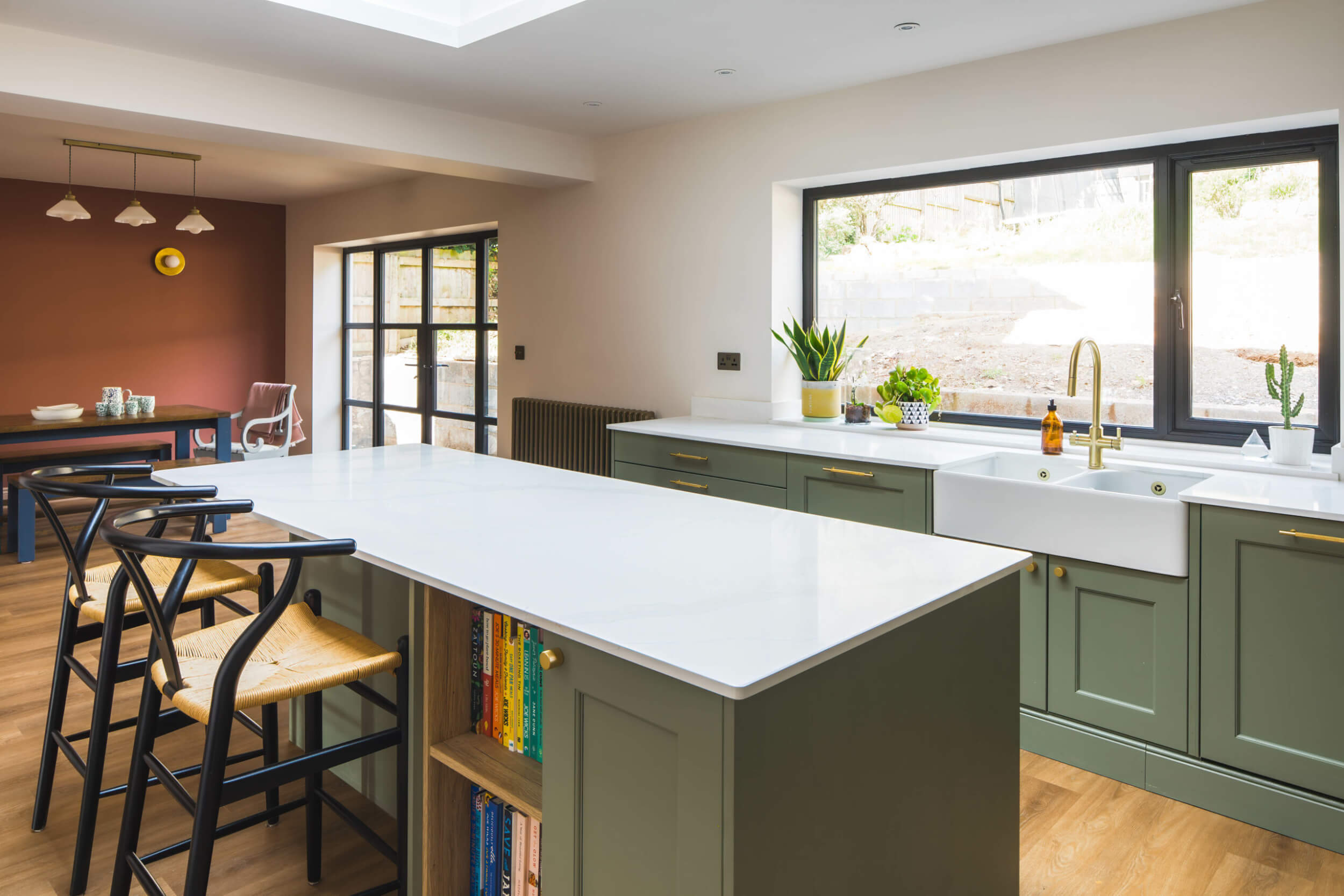
Can be designed with zones, such as a kitchen table, island, worktops and storage to ensure the kitchen is well-organised Noise of chatting, extractor fans, and appliances can be distracting or make it harder to engage in conversations

One of the Smile Kitchens designers says, ‘Open spaces can, sometimes, feel too large without a homely, comfy vibe, but they’re also a great way to maximise your space, building in intelligent layouts to ensure there is space for seating, cooking, preparation and storage – but getting the design details right is important.’

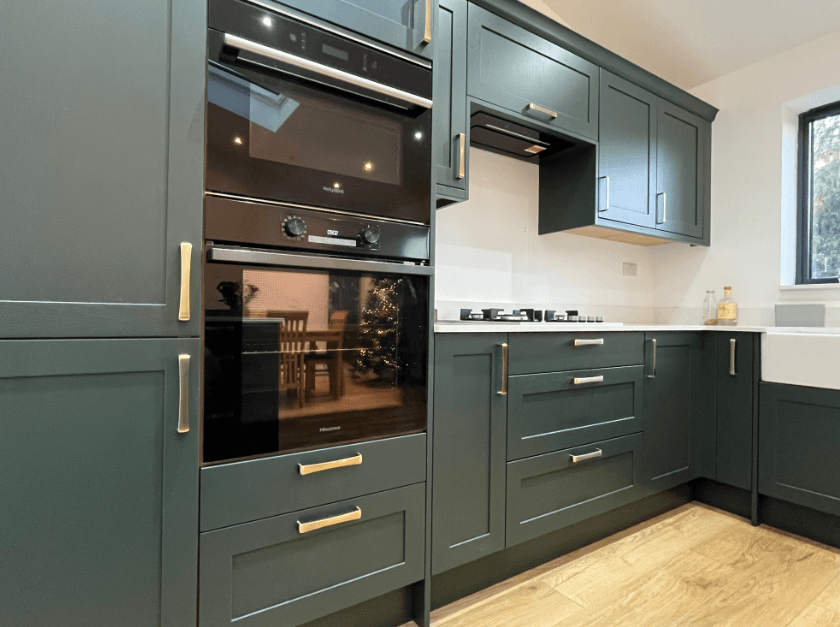
closed plan kitchen

What Are the Benefits and Drawbacks of a Closed Kitchen?

Positive Negative
Creates separate, defined areas for cooking, dining and relaxation The person cooking is shut away from guests or family members
Often requires less renovation work for Victorian homes, which already have closed galley kitchens Limits the option to extend the property outward to create an open plan kitchen
Stops odours or mess from cooking from reaching dining and living rooms Less preferable by families with smaller children who need to be supervised
Allow for dedicated storage solely for kitchen appliances, utensils and pans Hosts need to manage transporting food from the kitchen to the dining room

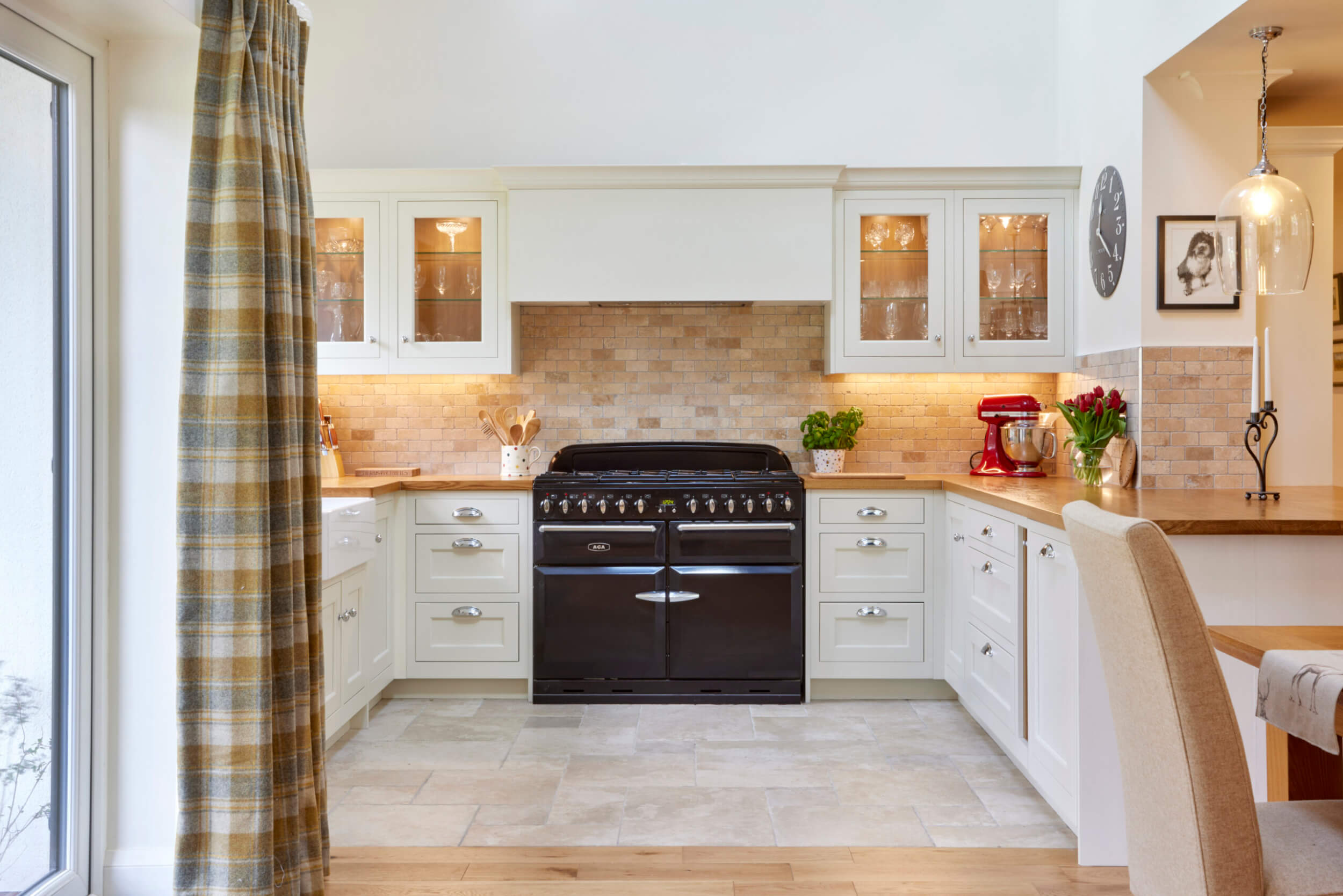
One potential compromise is to consider a breakfast bar, counter, or hatch between a closed kitchen and an adjacent dining room – this provides the benefits of both worlds without the kitchen being completely closed off.
Which Is the Best Kitchen Layout for My Home?

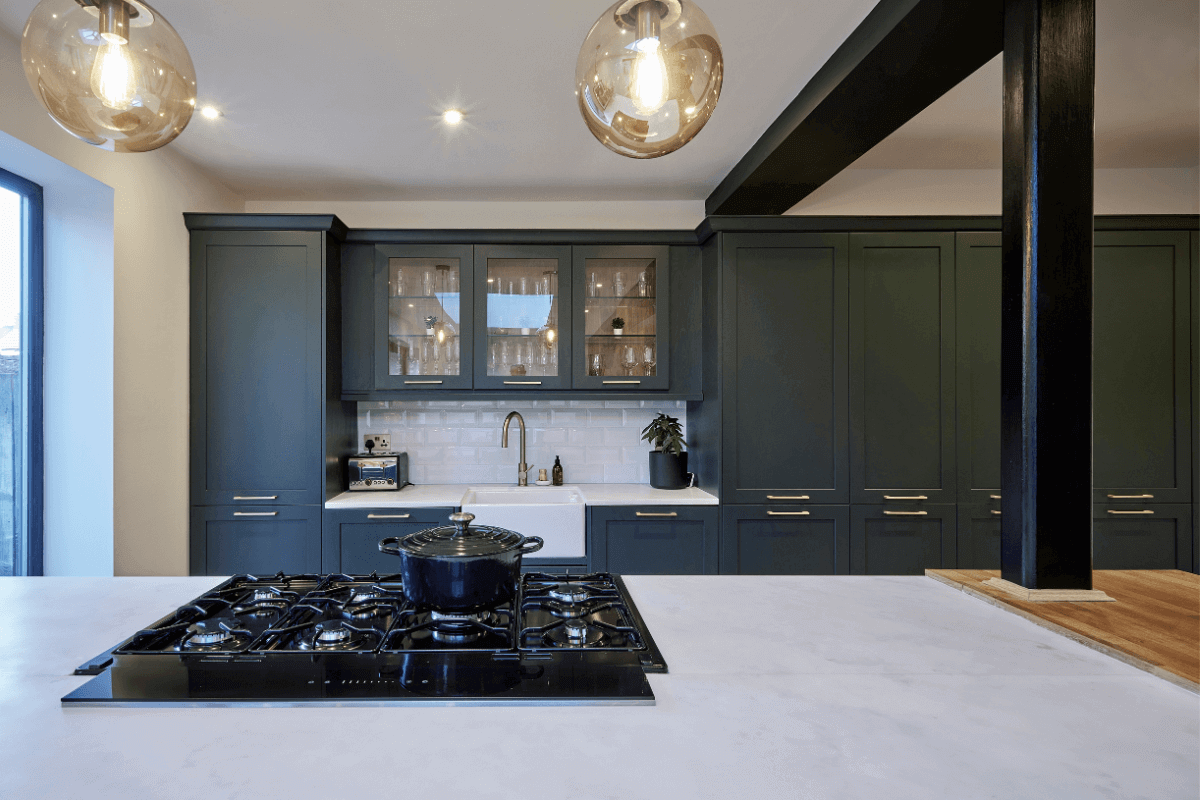
The best solution will be a kitchen that works for your lifestyle and property and maximises the space you have available. Open plan kitchen layouts are incredibly popular and sociable, and they make it easy to move around and optimise the size of the room.

However, if you dislike open plan living or don’t have the space for an open plan kitchen, there are plenty of design ideas that might suit your requirements, such as:

  • Using glass doors or counters between rooms rather than solid doors
  • Adding small seating areas within closed plan kitchens to make this more sociable

Homeowners can also consider installing different flooring or lighting within an open plan kitchen to make it feel well organised, with differentiation between each part of the room.

Ultimately, the best kitchen will be one you love using, so it’s worth thinking about how you use your current kitchen, how you might improve it, and the space available in your property.

Frequently Asked Questions

What Is the Difference Between an Open Plan and a Closed Plan Kitchen?

Open plan kitchens are larger and incorporate dining spaces, cooking surfaces, appliances, and seating in one room. In contrast, a closed plan kitchen has a cooking area that is separated from other rooms, which is common in older properties, especially Victorian terraced houses.

How Can I Arrange My Open Plan Kitchen to Ensure It Feels Organised?

The floor space of an open plan kitchen means it often needs to be well-designed, such as avoiding placing bulky furniture in natural walking paths, and considering the spacing between islands and cabinets so it’s easy to manoeuvre throughout the kitchen.

Islands work well in larger open plan kitchens, whereas using breakfast bars and seating at the opposite end of the room is great in smaller rooms where there is still sufficient capacity to incorporate an open plan design.

When Would a Closed Kitchen Design Be the Best Option?

Closed kitchens tend to be preferred by homeowners who like privacy and quiet when cooking and preparing food, as opposed to an open plan kitchen where everything coexists in the same space, whether fetching a snack, unloading shopping, putting on a laundry load, or cooking a meal.

What Is the Main Drawback of an Open Plan Kitchen?

While open plan kitchens are typically the most desirable layout for many homeowners, there can be issues with noise and distractions, and with keeping dining areas free of clutter when welcoming guests, especially when both children and adults use the kitchen.

How Can I Make a Closed Plan Kitchen More Sociable?

Adding some of the features we’ve mentioned, such as serving hatches, glass or partial doors, or breakfast bars, can prevent a closed kitchen from appearing cramped and isolated, connecting a person cooking with friends and family in the adjacent dining and living rooms.