
Small Kitchen Ideas: What’s the best option for a small kitchen?

By Nicholas McDonald

4 min read

Small kitchens don’t need to feel cramped or dark, and with the right design details, even compact rooms can feel functional, beautiful, and well-organised, with smart use of space and bright, light colours. What are your best options for a small kitchen?

small kitchen ideas

Contents

1. Introduction: What’s the Best Option for a Small Kitchen?
2. Key Takeaways: Designing a Small Kitchen
3. Common Small Kitchen Design Mistakes
4. Smart Storage Solutions for Small Kitchens
5. Small Kitchen Design Challenges and Solutions
6. Professional Design Advice for Small Kitchens
7. Why Vertical Space Matters in Small Kitchens
8. The Benefits of Minimalist and Handleless Designs
9. Why Work With a Kitchen Designer?
10. How to Make the Most of Your Small Kitchen
11. Space-Saving Ideas and Features
12. Frequently Asked Questions
13. Conclusion and Next Steps
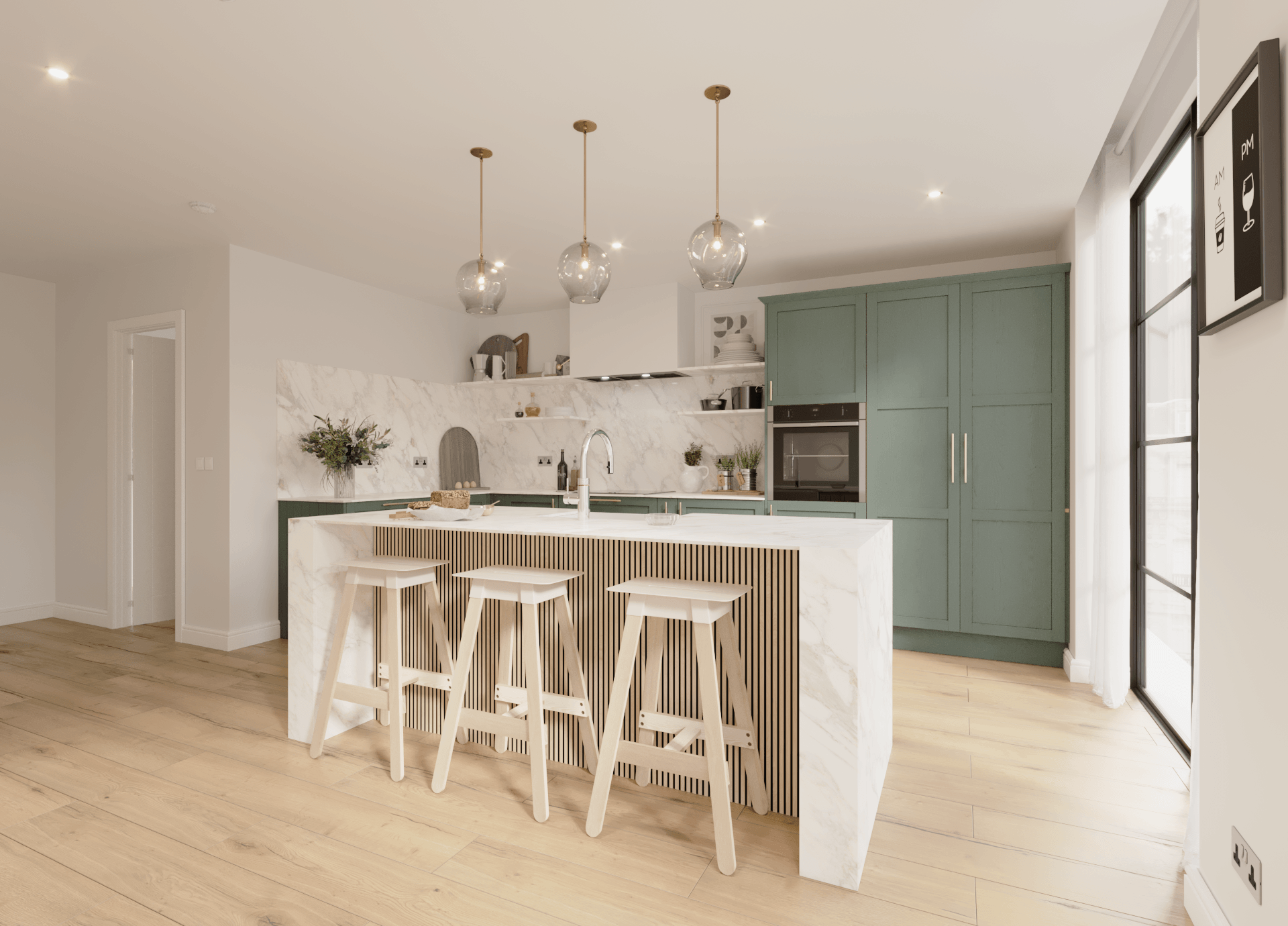
Request Our Kitchen Brochure

Small kitchens don’t need to feel cramped or dark, and with the right design details, even compact rooms can feel functional, beautiful, and well-organised, with smart use of space and bright, light colours.

One of the most common errors in small kitchen design is thinking only about the limitations of floor space, because cabinets don’t have to sit solely on the floor. Making the best use of wall height and vertical capacity can have a dramatic impact.

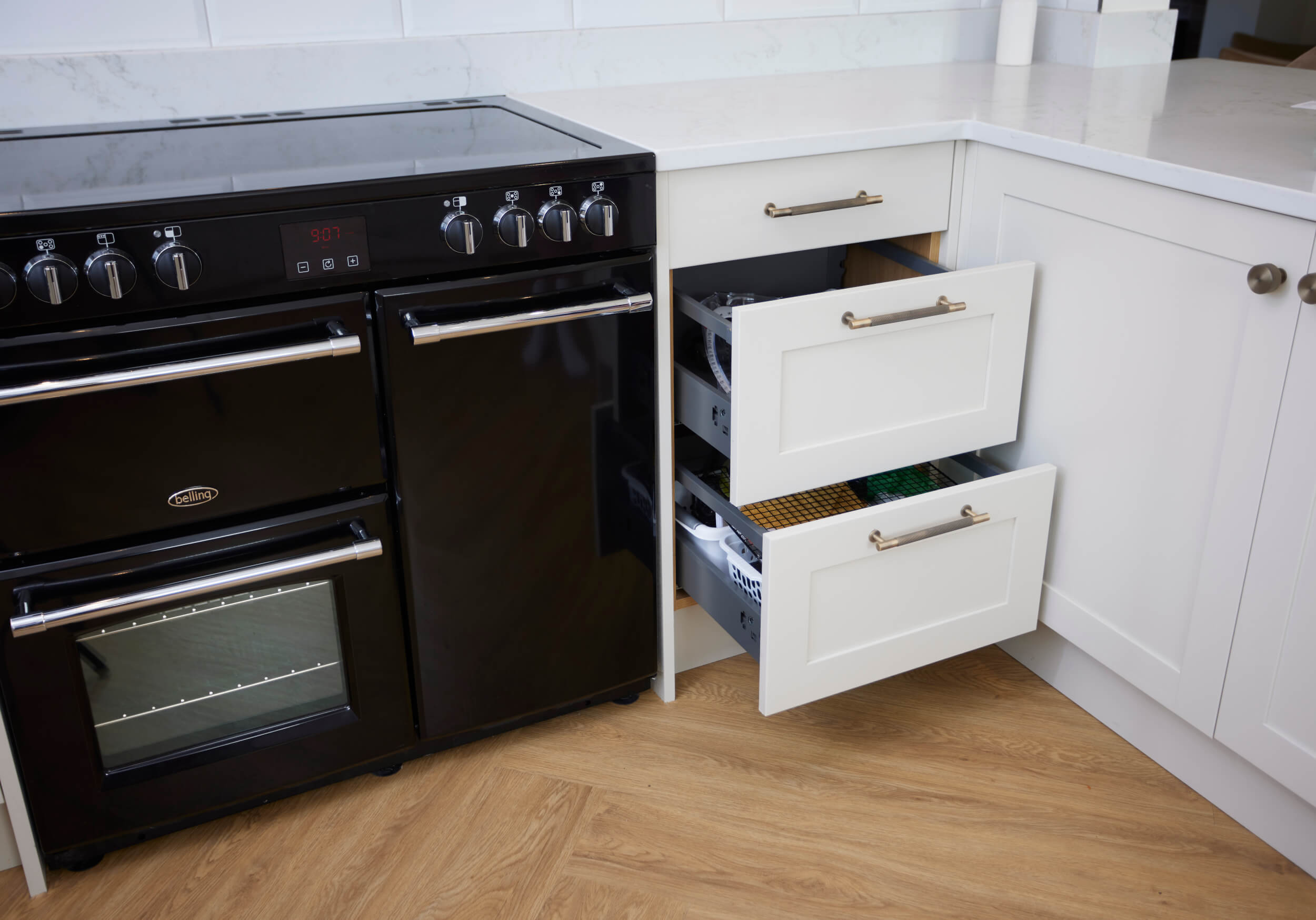
Simple tweaks such as swapping bulky handles for handleless drawers, adding higher shelving, and opting for slimline cabinets that maximise storage space are all advisable for smaller kitchens.

Designing a Small Kitchen: Key Takeaways

  • Many British homes have small kitchens, and this makes quality, professional design even more important to ensure the space is optimised and remains easy and enjoyable to use for cooking.
  • Storage is key, and using versatile space makes smaller kitchens more functional, using taller, slimmer cabinets and higher shelves.
  • Professionally installed kitchens with light colours, minimalist units and reflective or gloss finishes bounce light back into the room, often complemented by thoughtfully placed LEDs and overhead lights.

Examples of Small Kitchen Design Challenges and Solutions

The Challenge The Solution Why it Works
Limited storage capacity Pull-out drawers and tall, slim cabinets that use vertical space. Makes best use of every inch of wall space rather than using bulky cabinets.
A narrow room layout Designing an L-shaped or galley-style kitchen Ensures worktops are balanced along one longer side of the room, while leaving room to move around.
Little natural light Reflective, gloss finishes, paler colours and intelligent lighting. Brings a bright, fresh finish and removes dark corners.
Lots of countertop clutter Space-saving slab cabinets or handleless doors Moves clutter behind concealed cabinets while creating a clean, streamlined look.
Clashing colours Coordinated tiling, splashbacks and worktops. Consistent shades and matching materials take away visual boundaries that break up your line of sight.

Professional Design Advice for Homeowners With Small Kitchens

The best designs depend on the specifics of your home and kitchen, and the styles you like, but the top recommendations are to remove visual interruptions that affect your perception of space and to focus on clean lines that flow nicely.

Here’s why:

  • Smaller rooms can quickly feel dark and cluttered if worktops aren’t clear or cabinets block natural light.
  • Adding vertical and higher storage can clear worktops and ensure uninterrupted lines run across or down the kitchen, which draws the eye.
  • Minimalist kitchens can pack in more storage per square foot because the lack of extra bulk and thicker doors ensures the space inside each unit is just as generous.
  • Brightening a room immediately makes it feel larger, and if the kitchen has only a small window or no natural light, adding extra lighting points will make a difference.

Kitchens like slab and handleless designs are often ideal, and using a kitchen planner is a great way to try to visualise how these types of kitchens would fit into your home.
Reasons to Plan a Small Kitchen With a Kitchen Designer

Professional kitchen design teams have years of experience transforming small kitchens into intentionally designed spaces. If space is limited, you’ll need to ensure each wall works as efficiently as possible.

Designers help you avoid errors and can come up with creative solutions, exploring layouts you might not have considered, especially if you’ve lived in your home for some time and can’t visualise how your kitchen might look in a layout different from how it is now.

Benefits include:

  • 3D visualisations so you get a realistic idea of how the space will look and function before you need to commit to a final design.
  • Optimised layouts to save space and ensure the kitchen is functional without restricting movement.
  • Access to custom-made cabinetry with dimensions that easily fit into a small kitchen, using tailored cabinet heights or depths and slimline panels.

Smile Kitchens says, ‘Designing a small kitchen is a fantastic challenge, because every centimetre needs to serve a purpose. The great news is that, with the right style of cabinetry, space-maximising storage and creative layouts, small kitchens can be transformed from tiny, awkward rooms into practical spaces.’
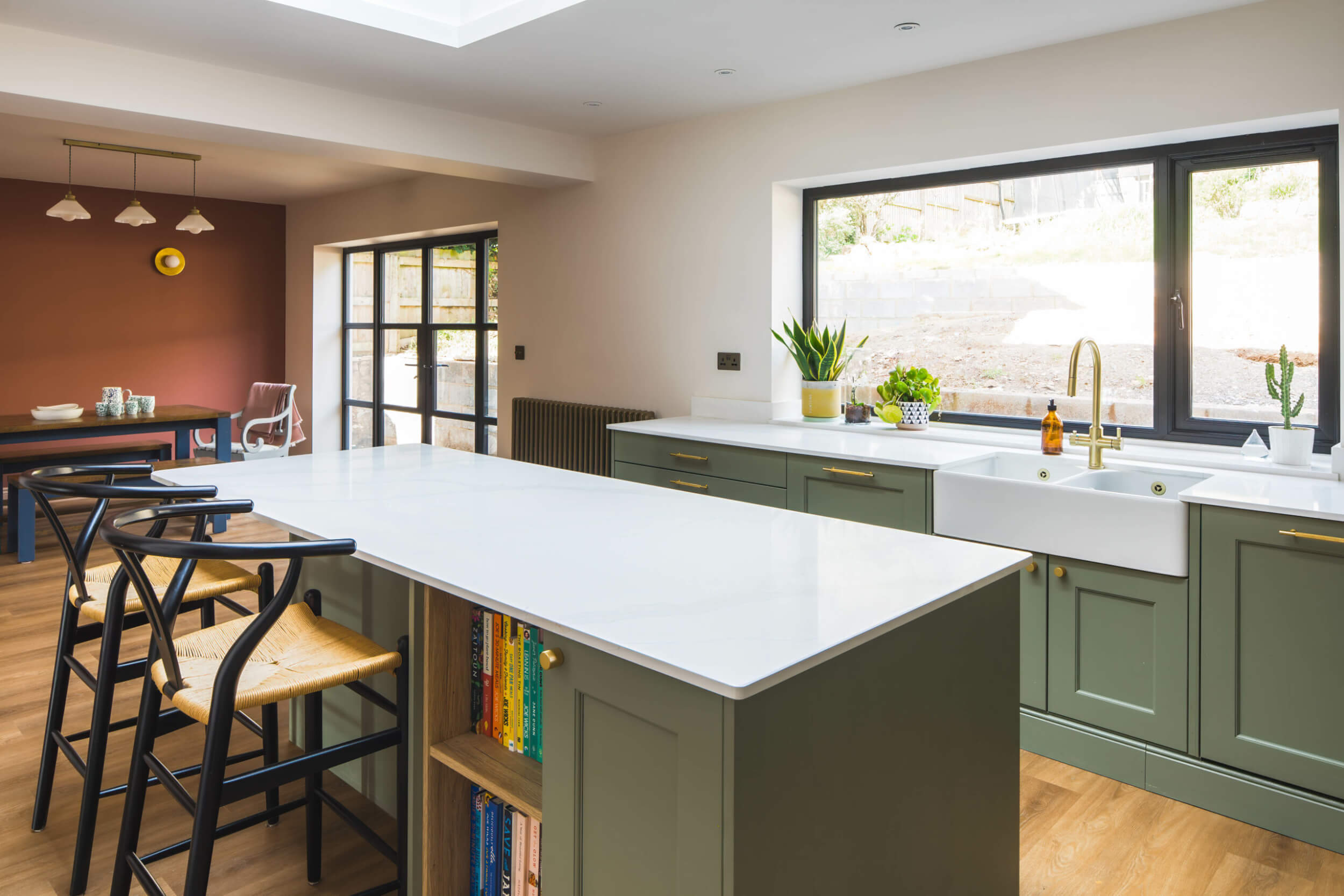
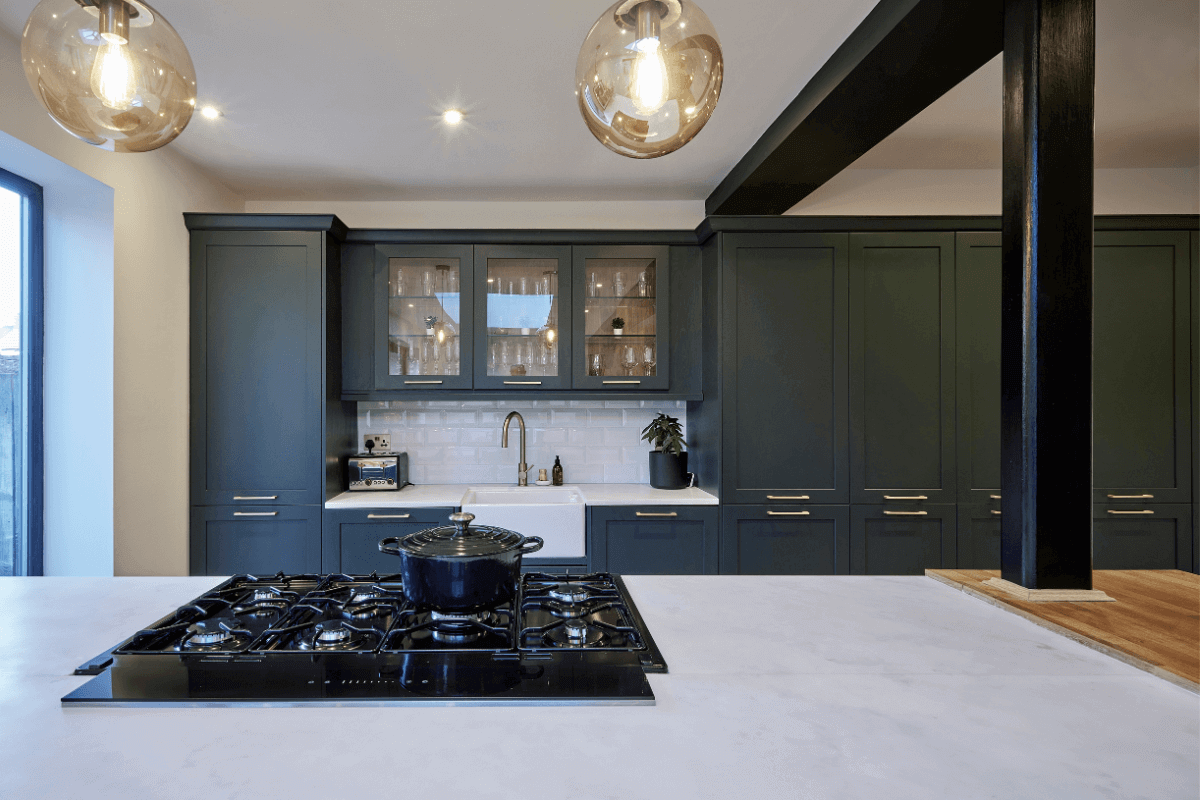
How to Make the Most of Your Small Kitchen

Whether you have a compact kitchen that you can’t make any larger or want to compare the cost of a custom-designed remodel with extending your kitchen outward, intelligent design is essential.

There is almost always ‘dead space’ in smaller rooms that might seem uninspiring or impossible to put to a practical use, but options like hooks and rails for pots and pans, shelving above cabinets, and integrated appliances can all free up more floor space.

Modern kitchen units, such as handleless cabinetry, are also ideally suited to smaller homes and kitchens, and by taking advantage of all available space-saving opportunities, you’ll see your kitchen feel more welcoming and become dramatically less cramped.

Frequently Asked Questions

What Is the Best Way to Make a Small Kitchen Look Bigger?

Trimming back cabinetry to be streamlined, using paler colours and tones, and adding reflective surfaces can work wonders. In most cases, small kitchens feel tighter than they are due to deeper wood tones, darker colours, and unnecessary features like handles and knobs that stick out,further reducing the space available to move around.

Which Kitchen Layouts Work Well for Compact Spaces?

Galley kitchens are common in period homes, and have a long, thinner layout with cabinets usually installed along one side, leaving the other wall bare. L-shaped kitchens are also great if you have corners that make an open-plan kitchen impossible, or single-wall kitchens are perfect for flats and apartments.

Why Are Handleless Kitchens Good for Tiny Homes?

Handleless kitchens don’t have extra handles where grease and oil can gather, so you can move right up to the cabinets when cooking and cleaning. These cabinets feature kitchen units with a uniform, smooth surface without interruptions.