
Award winning service

Award winning service

Flexible finance options

Flexible finance options

Free online design service

Free online design service

Exclusive discounts with brands

Exclusive discounts with brands

Close Menu

Kitchen Worktops Comparison: Which worktop is best?

By Nicholas McDonald

4 min read

Worktops are the finishing touch to your kitchen design, and with options ranging from laminate to ceramic, quartz to wood. There are considerable differences in both appearance and functionality of the worktop materials available.

kitchen worktop comparison ideas

Contents

1. Introduction: Kitchen Worktops Comparison
2. Key Takeaways: Comparing Kitchen Worktops
3. Quick Comparison of Kitchen Worktop Types
4. Laminate and Compact Laminate Worktops
5. Solid Wood Kitchen Worktops
6. FENIX Kitchen Counters
7. Blended Acrylic Worktops
8. Quartz Worktops
9. Ceramic Kitchen Counters
10. How to Choose the Best Worktop for Your Kitchen
11. Factors to Consider: Budget, Style and Durability
12. Frequently Asked Questions
13. Conclusion and Next Steps
Request Our Kitchen Brochure

Worktops are the finishing touch to your kitchen design, and with options ranging from laminate to ceramic, quartz to wood. There are considerable differences in both appearance and functionality of the worktop materials available.

Aside from appliances, worktops are also one of the more significant investments in a kitchen remodel, and you’ll want a surface that is tough and durable, complements your cabinetry, and that won’t need to be replaced anytime soon.

Homeowners planning a new kitchen will, of course, also have budgets to consider, so we’ve shared some insight into the types of worktops available and how they compare.

Comparing Kitchen Worktops: Key Takeaways

  • The most affordable worktops are laminates, and while they’re made of MDF or a similar base, the outer layer is durable and resistant to everyday scratches and stains, with moderate heat resistance
  • Solid wood is a classic worktop material, and although it needs maintenance and can scratch and stain, it also retains a unique character only possible with natural timbers.
  • Premium worktops like quartz and ceramic make a stunning impact, and despite their higher price tag, they’ll usually last a lifetime.

Quick Comparison of Kitchen Worktop Types

Worktop Material Durability Maintenance Style
Laminate worktops Good Easy Numerous finishes depending on your kitchen theme
Solid wood High Needs to be oiled Classic, natural warmth
Compact laminates Good Easy Varied
FENIX High Easy Contemporary matt
Blended acrylic High Easy Silky and smooth for modern kitchens
Quartz Excellent Easy Ultra-premium
Ceramic Excellent Easy Slimline and contemporary
laminate worktops

Laminates and Compact Laminate Worktops

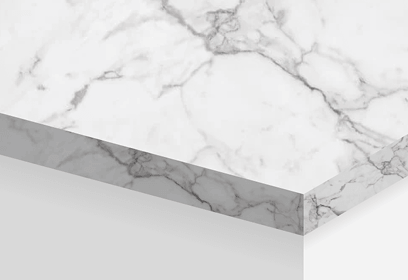
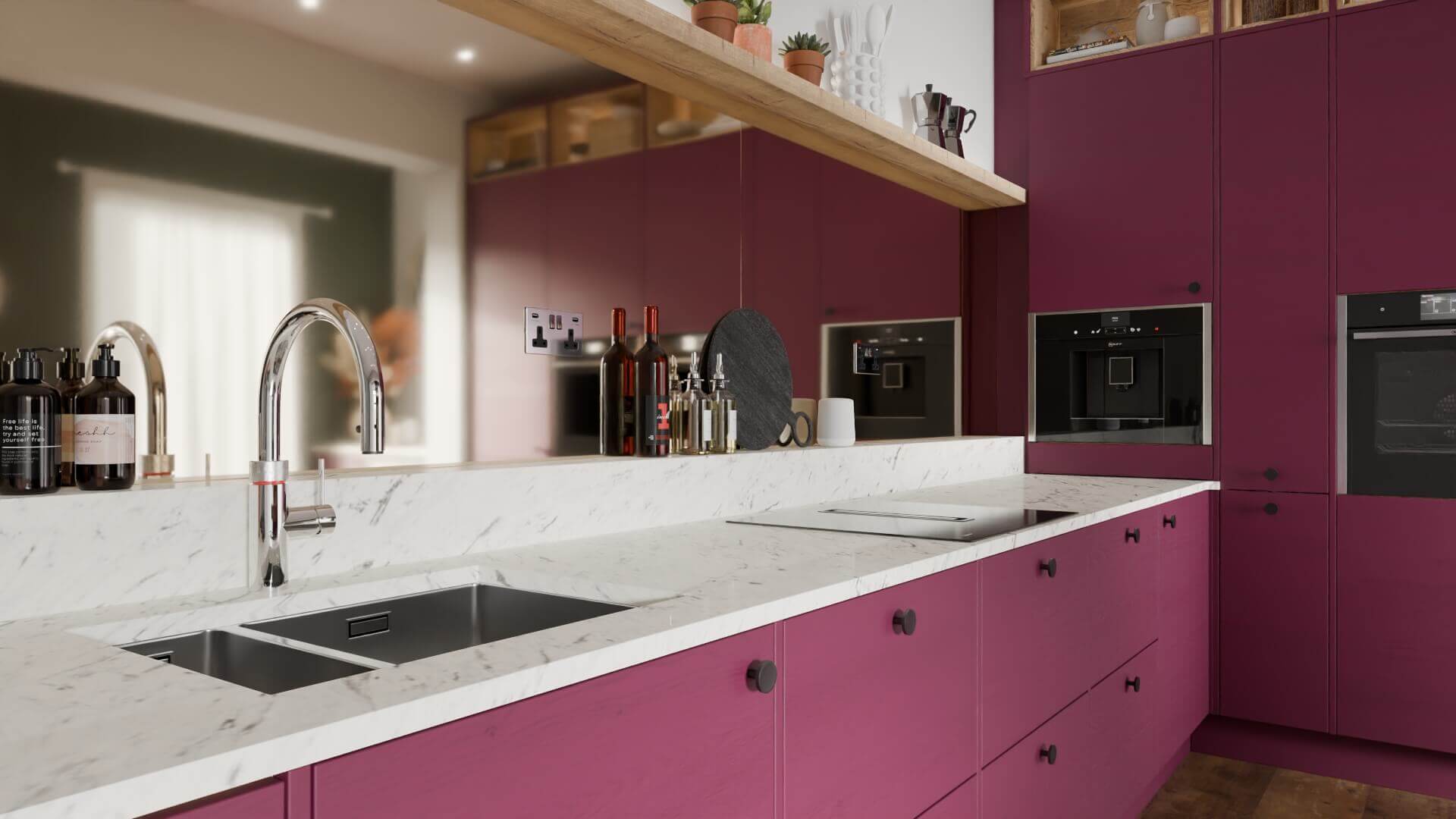
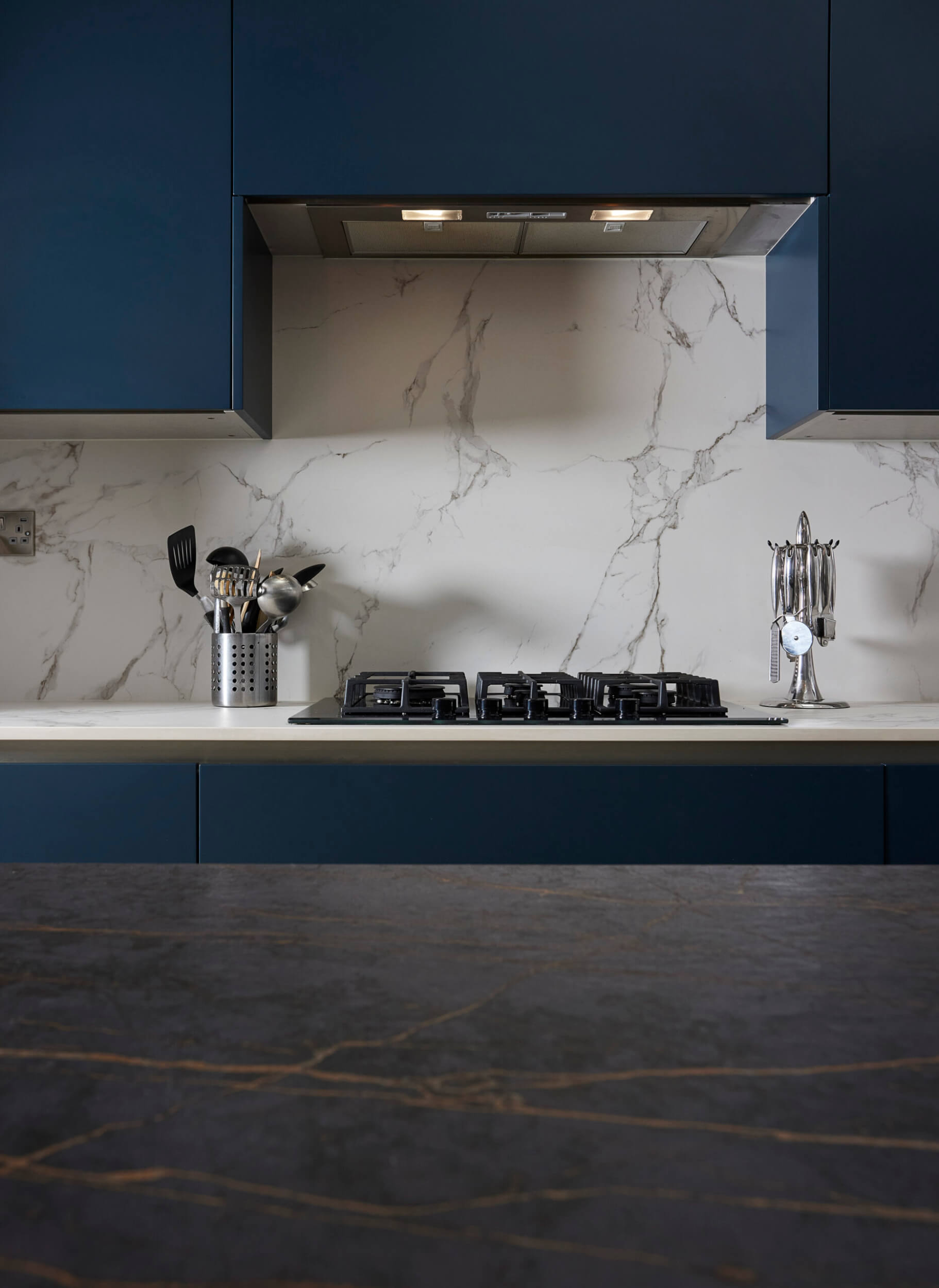
Laminate worktops are budget-friendly, durable, and built to high-quality standards, with a wide range of finishes to choose from, including warm Walnut and creamy Honey Mango timber, cool Chalk, and deep Black Granite.

Compact or composite laminates are another cost-efficient option, with a slimline profile ideal for smaller kitchens or minimalist designs. They offer heat-resistant, waterproof protection, durability and an equally wide choice of colours, tones and finishes.
oak worktops

Solid Wood Kitchen Worktops

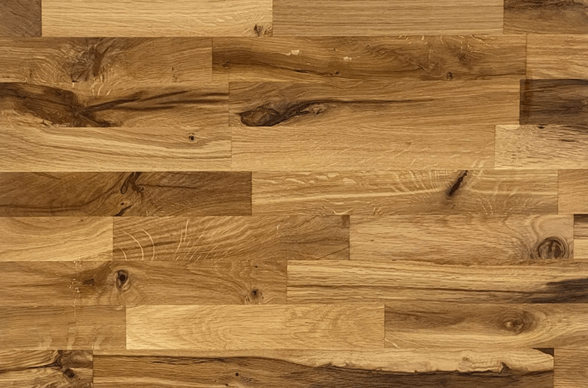
Solid wood is timeless and classic, and can be incorporated into both contemporary and traditional kitchens, with styles like Prime Oak with a modern Scandi-chic vibe, deeply patterned Iroko, and sleek Black-Stained Oak.

Even though wood does need to be oiled and maintained, when properly maintained, it can remain hygienic and suitable for kitchen use. It can last for decades, taking on a new character as the wood naturally ages, and there is always the option to choose a different stain or oil to add a fresh sheen and lustre to your worktop.

Timber worktops are particularly effective in farmhouse kitchens and can add a touch of warmth and tonal colour.
FENIX Kitchen Counters

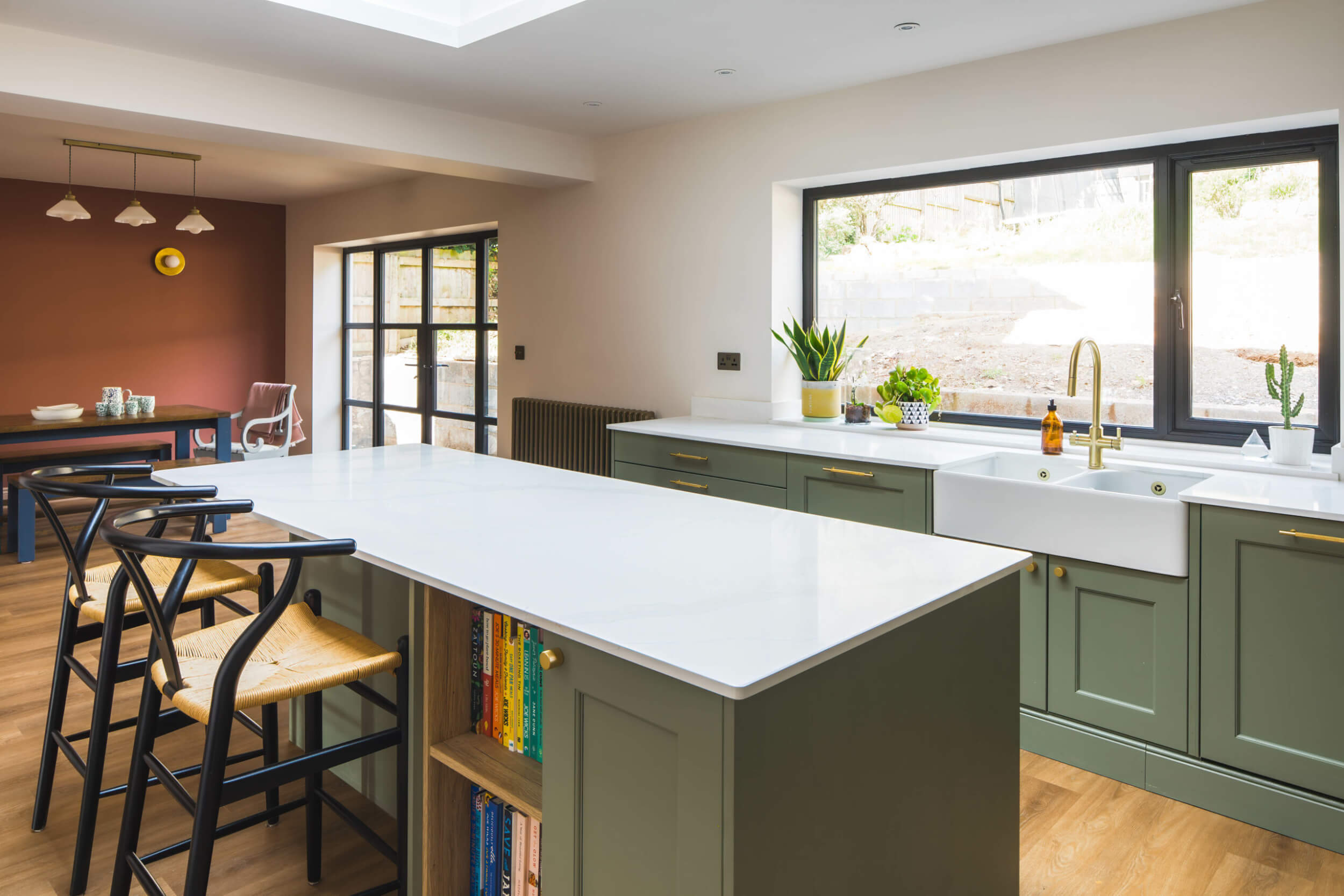
FENIX is an advanced, modern, and ultra-matt worktop that incorporates a soft-touch finish and leading-edge nanotechnological production, with water resistance and even thermal healing, which means micro-scratches disappear.

Benefits include:

  • A seamless, continual finish free of lines
  • Simple cleaning and maintenance
  • Extreme durability and anti-fingerprint properties

These counters are most often used in minimalist and contemporary designs and can even be produced in metallic colours in contrast to the popular matt finishes. [1]

Blended Acrylic for Kitchens

Blended Acrylic worktops are texturally luxurious, with a smooth, silky surface and seamless joints that make a kitchen look higher-end and sophisticated. Blended acrylic is a solid, non-porous material that is ideal for keeping kitchens clean and germ-free. These counters are:

  • Impenetrable to dust, bacteria and dirt
  • Highly heat-resistant
  • Available in a huge array of finishes

Blended acrylic is relatively slimline compared to alternatives like solid wood and quartz, which means these counters can be used in a smaller kitchen, although they can be scratched, so it’s important to use a chopping board.

Quartz Worktops

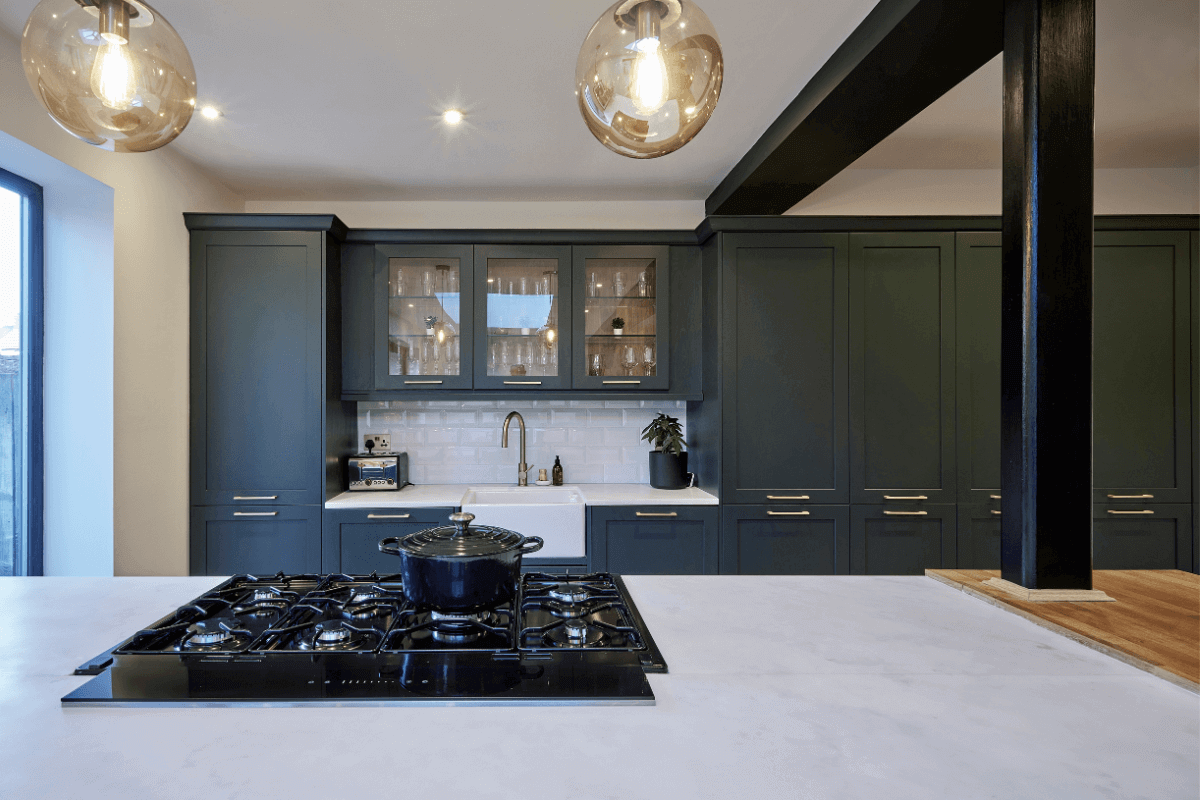
Often regarded as one of the finest worktop materials, classic quartz is manufactured but has the beauty and appeal of natural stone. Quartz is highly scratch-resistant and difficult to chip, which makes this premium worktop long-lasting.

A quartz countertop is a lifetime investment and will continue to look stunning for many years, requiring little maintenance or upkeep.

The caveat is that quartz is very heavy indeed, and in some cases, your kitchen designer may need to ensure your cabinets are properly reinforced to safely bear the weight of the worktop.

Ceramic Kitchen Counters

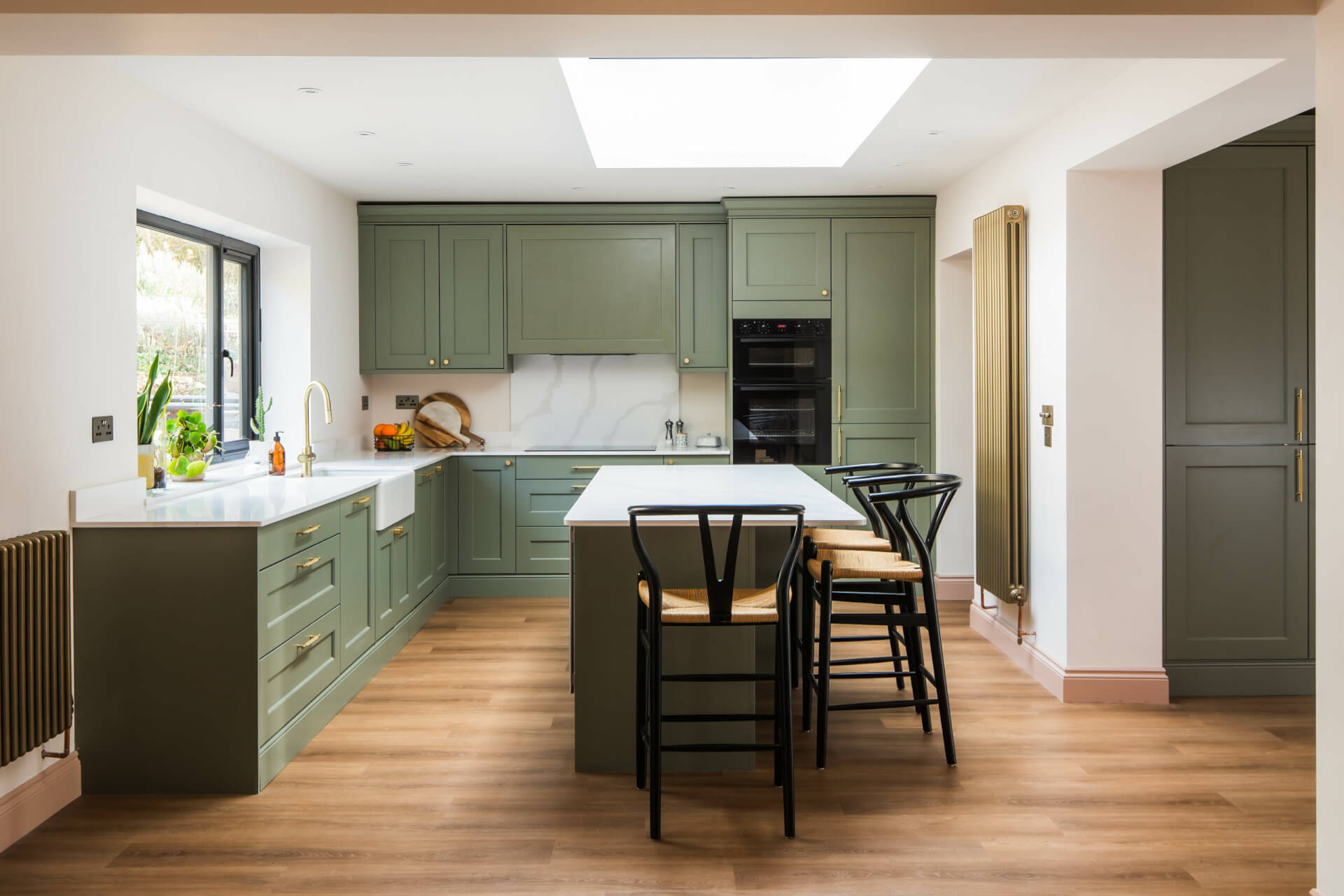
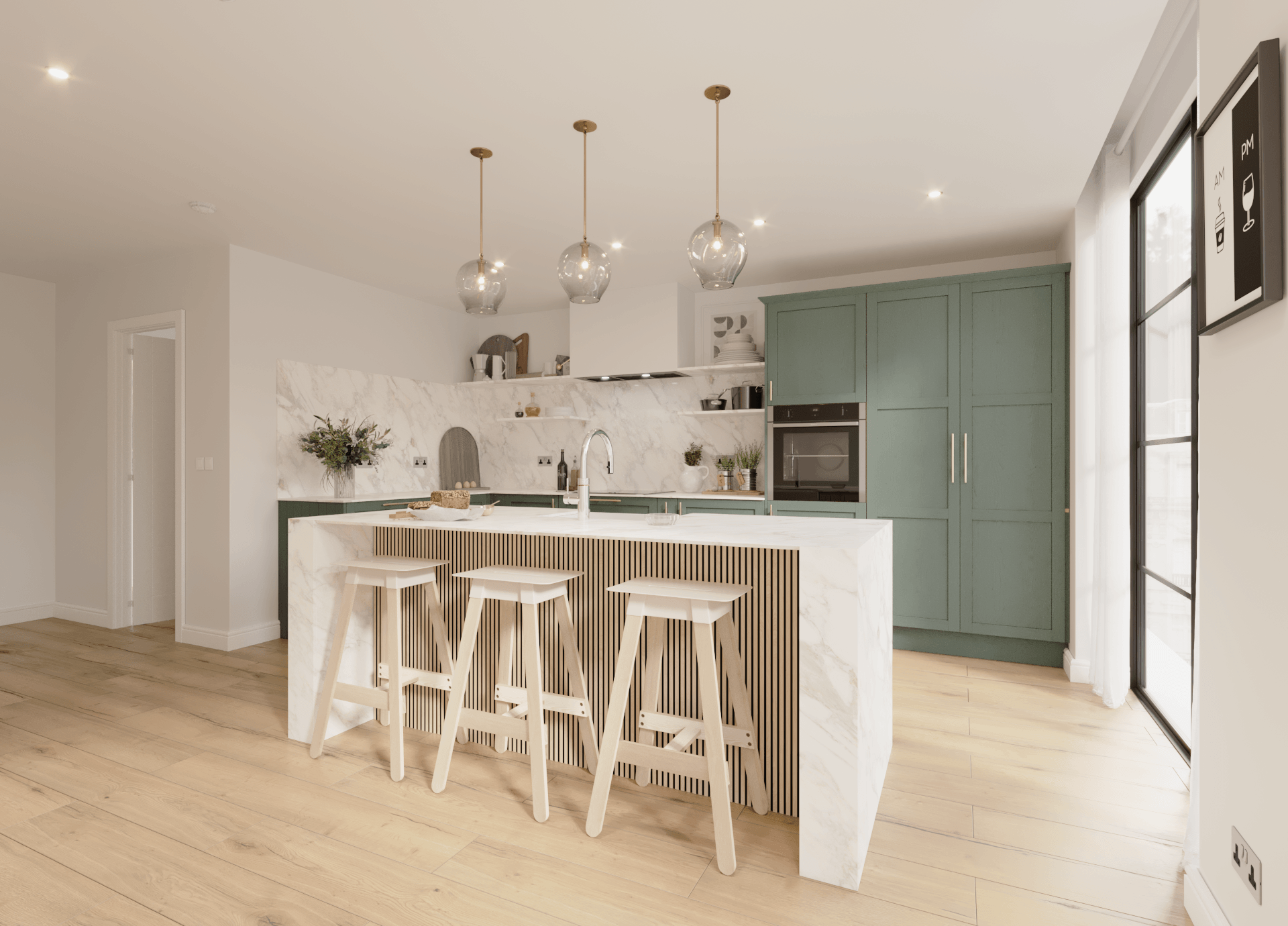
Ceramic worktops are used in versatile kitchen designs, with superb strength packed into a slimmer counter profile, allowing worktops to be as little as 20 mm thick without being vulnerable to damage, creating a compact, modern aesthetic and a hygienic counter for busy kitchens.

Choosing ceramic may be an ideal balance between the premium durability of quartz and the affordability of laminate, as a hard-wearing, scratch-resistant and non-porous worktop that is also resistant to UV light and won’t fade over time.

How to Pick the Best Worktop for Your Kitchen

Worktops are a big decision, and it’s worth thinking through your budget, the style and look of your kitchen, which colours and finishes will be consistent with your design aspirations, and the durability of the material.

Smile Kitchens says, ‘Worktops are, without a doubt, the hardest working surfaces in your kitchen, and it’s important to balance longevity, maintenance requirements and costs to ensure you select a worktop that looks incredible and works well for your home.’

Frequently Asked Questions

Which Kitchen Worktop Material Is the Most Durable?

All the kitchen worktops we’ve covered are considered durable, but if you’re looking for a counter that is unlikely ever to need replacing, quartz is often considered the most durable option, with FENIX also offering excellent resilience for everyday use.

Are Quartz Worktops Worth the Cost?

That depends on your budget and objectives, but yes, the superior longevity and high-end aesthetic of a quartz worktop is an excellent option. However, if this is outside the amount you’re comfortable spending, a quartz-finish laminate will achieve the same appearance.

How Can I Pick a Kitchen Worktop That Will Be Easy to Maintain?

It’s hard to beat the self-cleaning properties of FENIX, but many worktops are naturally hygienic and don’t require anything other than a quick clean after use, including sealed laminates, acrylic and ceramic.

References:

  1. FENIX Technical Documentation