
Kitchen Diner vs Separate Kitchen?

By

4 min read

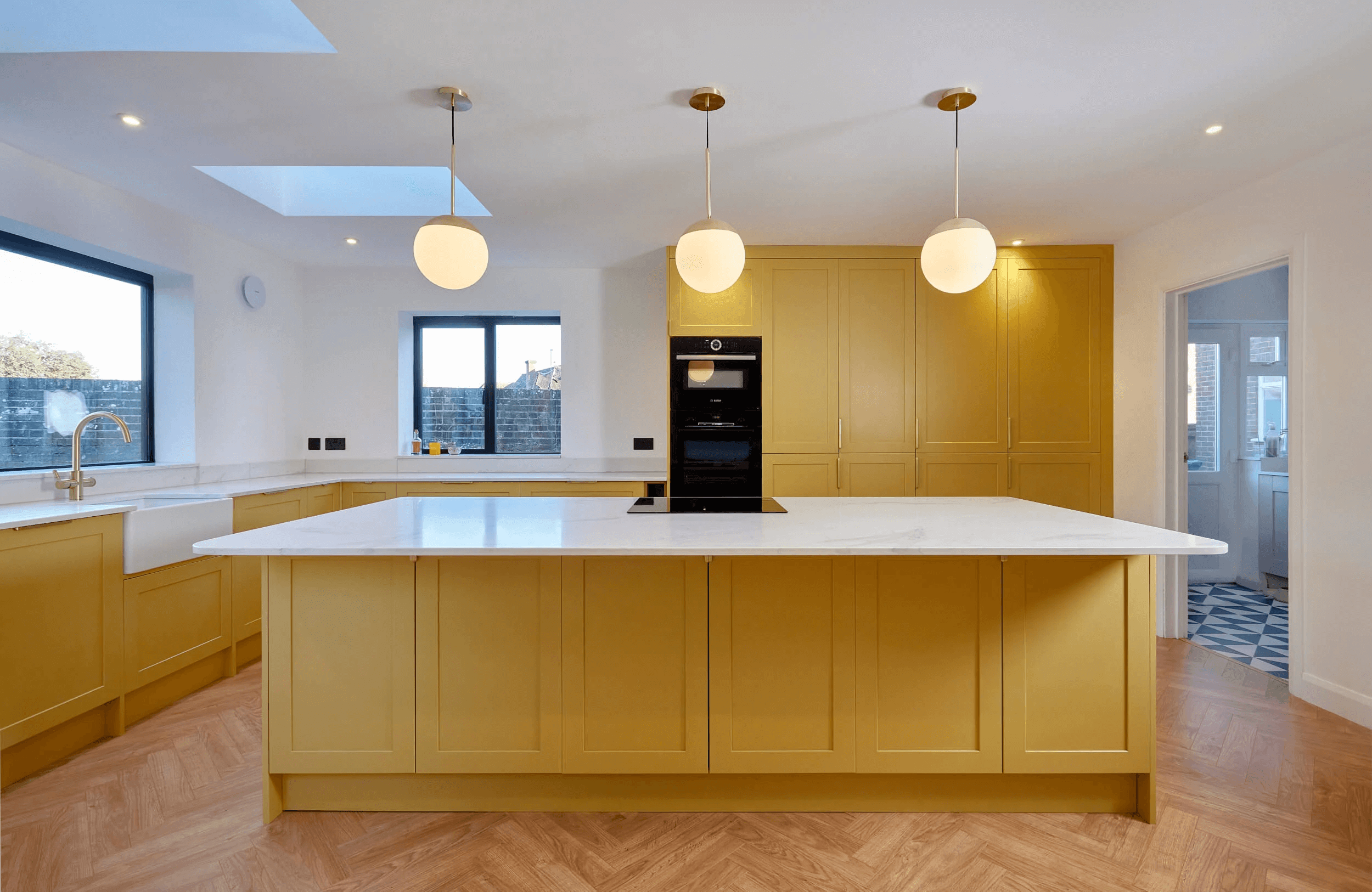
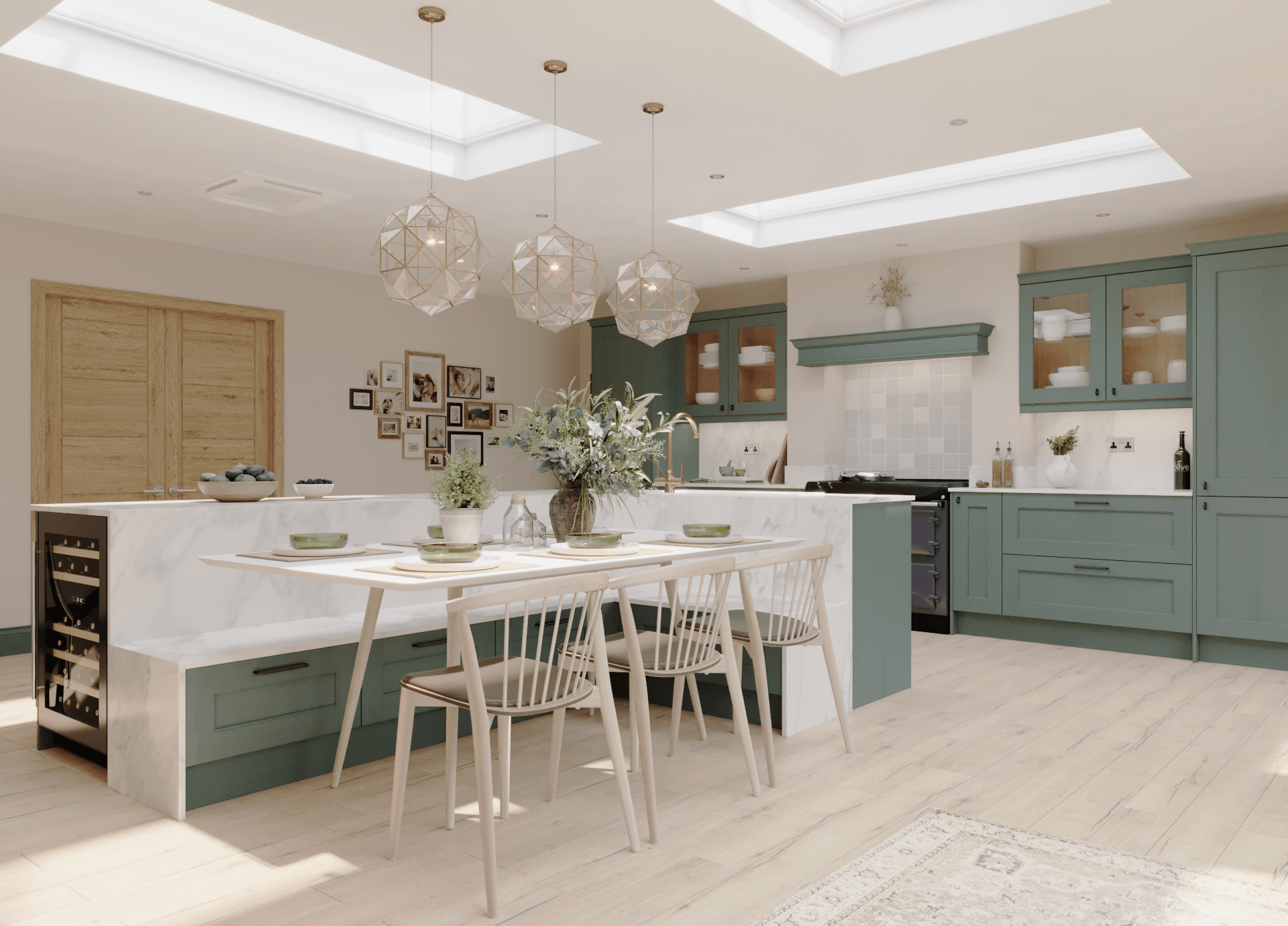
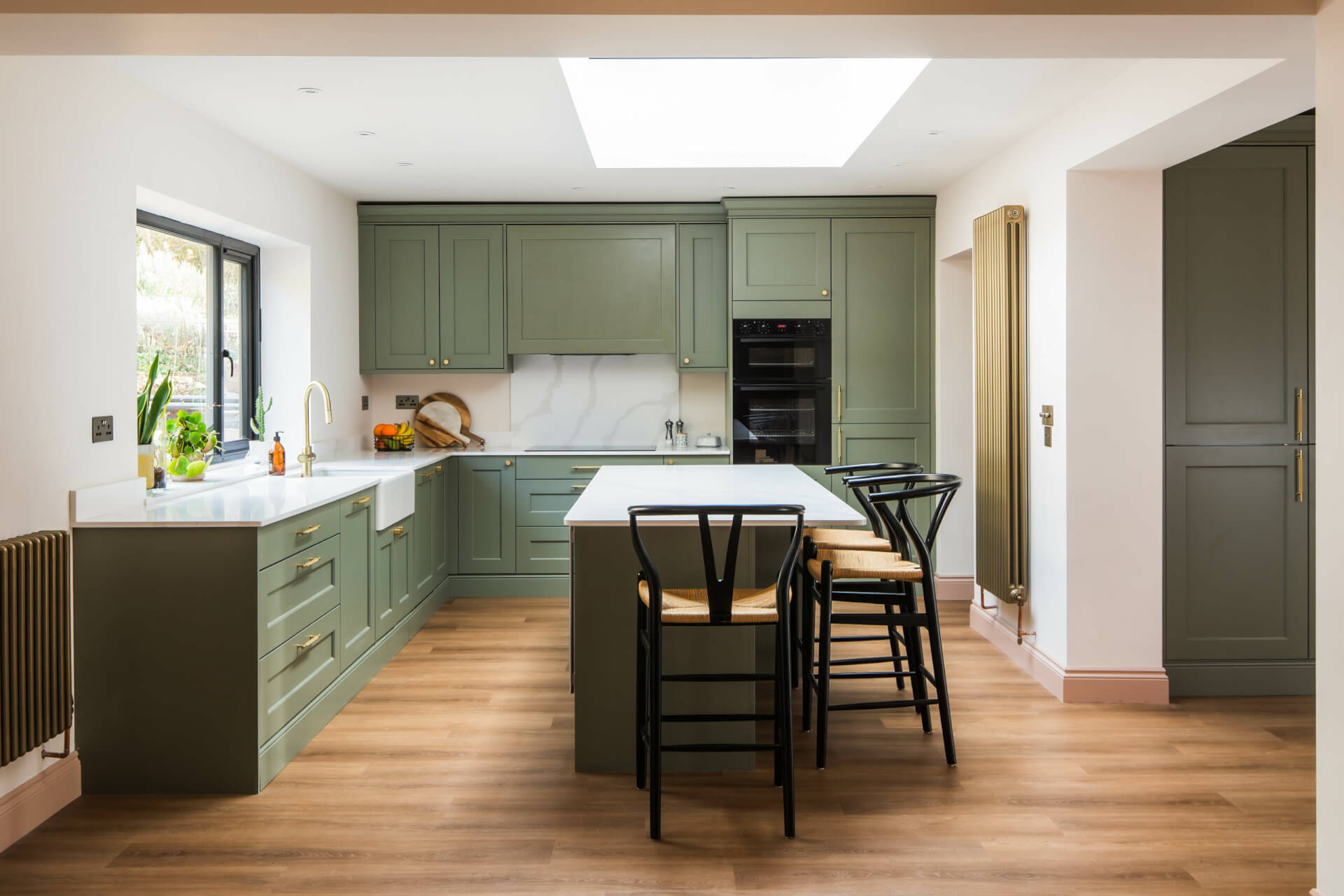
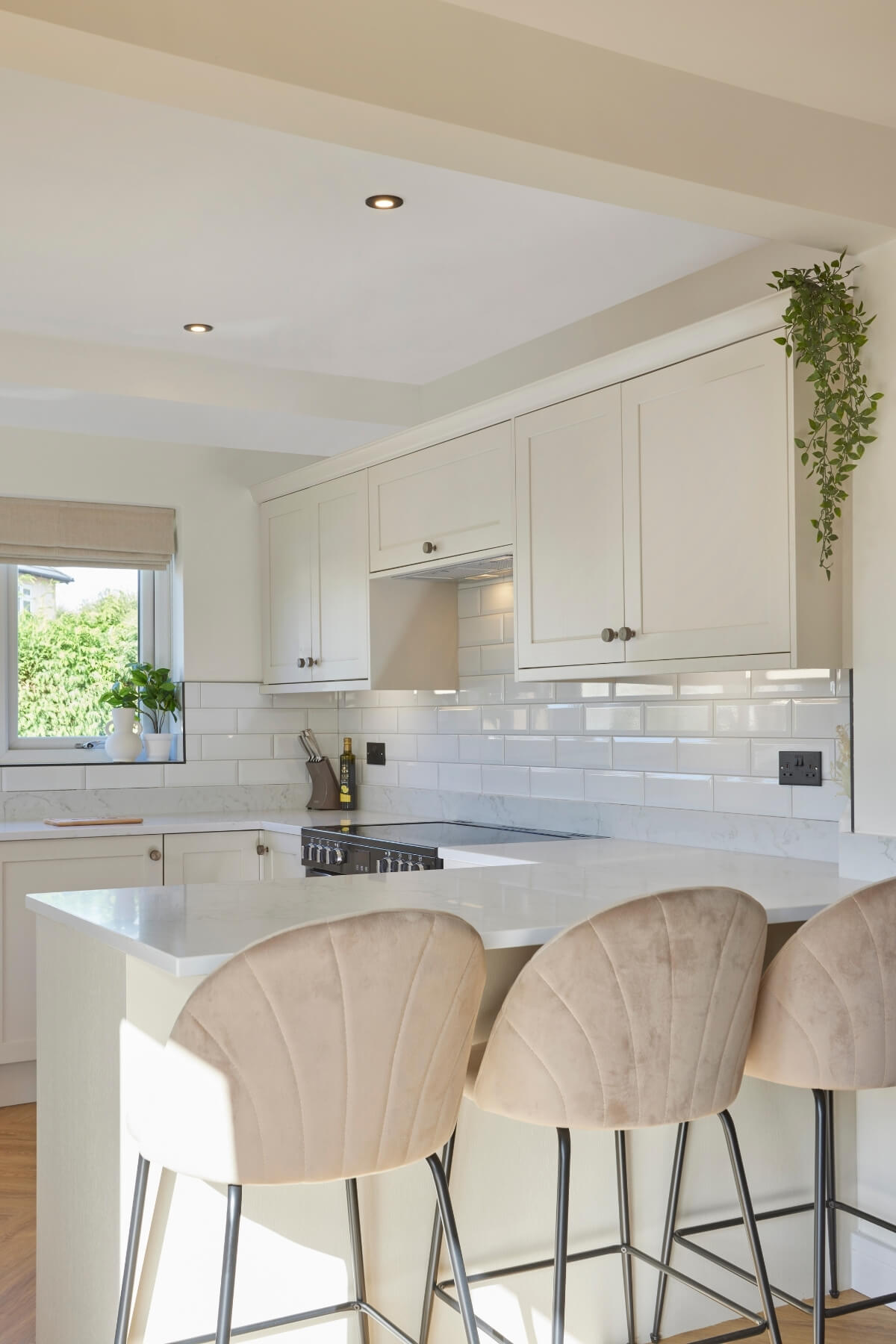
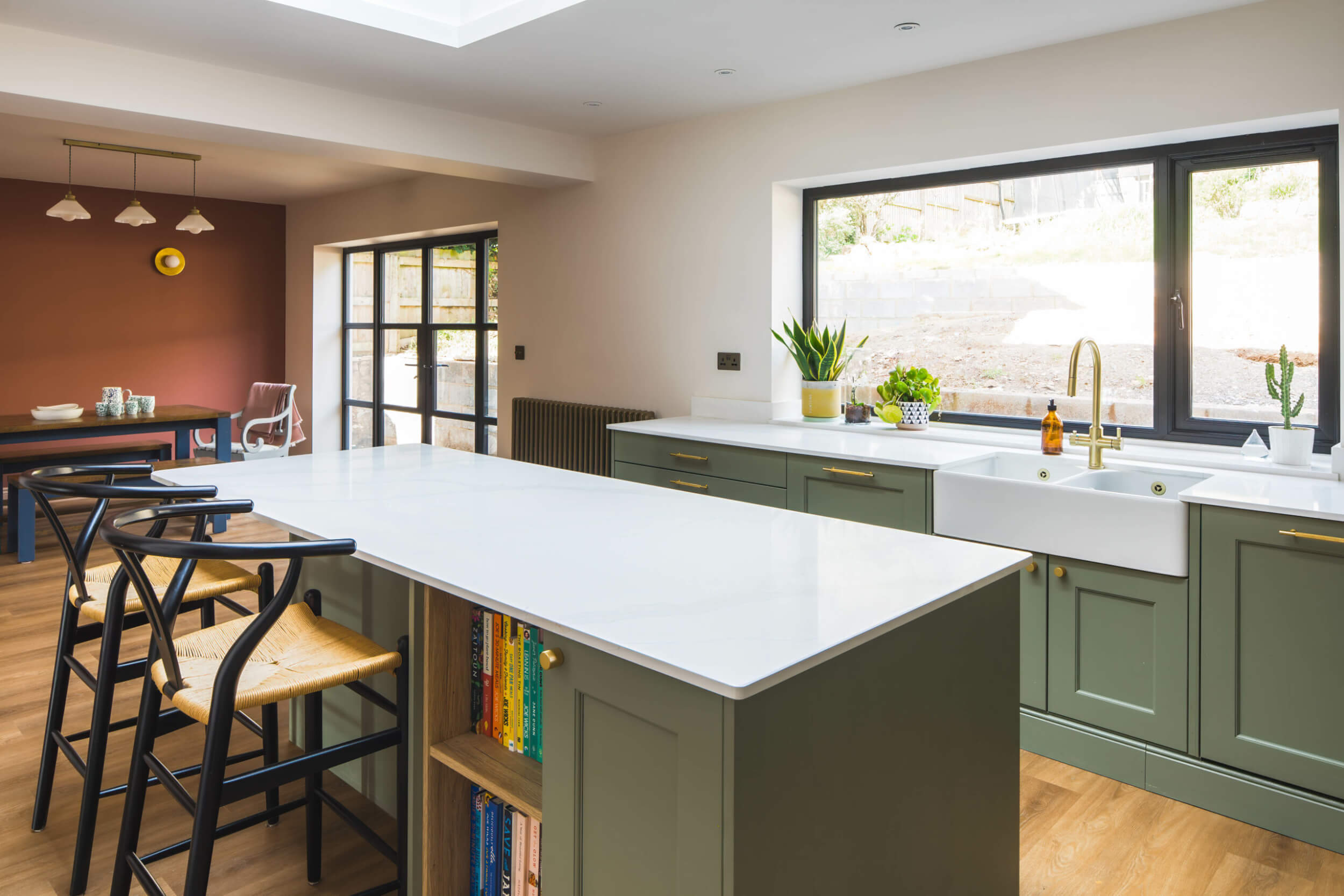
Choosing between a kitchen-diner and having a standalone kitchen comes down to how you live day to day – not just how you’d like your home to look. A kitchen-diner creates a social, open space for cooking, eating and relaxing, while separate kitchens provide privacy, contain mess and noise, and make room zoning feel more traditional.

kitchen diner vs separate kitchen

Contents

1. Introduction: Kitchen Diner vs Separate Kitchen?
2. Designing a Kitchen-Diner or a Separate Kitchen: Key Takeaways
3. Why Are Some Homeowners Moving Away From Open-Plan Kitchen Diners?
4. Is the Kitchen Diner Still a Popular Design Layout?
5. When Are Separate Kitchens a Better Option?
6. Kitchen Diner vs Separate Kitchen: A Comparison of the Pros and Cons
7. What Makes a Broken-Plan Kitchen a Middle Ground?
8. Frequently Asked Questions
9. Conclusion and Next Steps

Request Our Kitchen Brochure

In reality, there isn’t one better option, because these decisions relate to your lifestyle, the size of your household, and how you utilise the kitchen – whether you want an all-in-one space where everyone gathers, chats and eats, or a calm, quiet kitchen away from seating areas.

While we’re looking at these two very different choices today, it’s also worth noting a third alternative that is becoming increasingly popular: the broken-plan layout, which falls somewhere in between.

Designing a Kitchen-Diner or a Separate Kitchen: Key Takeaways

  • Kitchen-diners are a great way to design a kitchen that’s built to be social, where families interact in one place and entertain in the same room in which they cook.
  • Separate kitchens are traditional and are also used in households where serious chefs don’t like to be disturbed, where noise and mess need to be contained, or where families don’t want pets and little ones running around hot kitchens.
  • Many modern homes are leaning toward broken-plan layouts rather than fully open or closed spaces, so there is a compromise if neither option presents a perfect solution.
kitchen diner

Why Are Some Homeowners Moving Away From Open-Plan Kitchen Diners?

Like every sector, UK home design moves through phases, and over recent decades, a large proportion of new kitchens have incorporated open-plan kitchen-diners – but lately, there has been a marked change in how people want to use their spaces.

That’s no surprise, because home layouts have always evolved with changing lifestyles, from single-room properties to the heavy compartmentalisation of Victorian homes, and back to open-plan living. This all depends on spatial trends and personal preferences.

There are, though, a few specific factors that have influenced this shift:

  • More people are working remotely from home
  • Higher energy costs of heating open-plan areas
  • Growing awareness of mental ‘visual clutter’

The appeal of flexible zoning and adaptable layouts in homes has become much more apparent, as homeowners look for more efficient spaces than full open plan living, or want segregated areas for working to ensure they aren’t disturbed.

Is the Kitchen Diner Still a Popular Design Layout?

Kitchen diners aren’t going anywhere, and although preferences towards separate kitchens are noteworthy, the kitchen as the social heart of the home remains a key focal point for many families.

They often want a space where they can read the paper, enjoy morning coffee, sit down for an evening meal, and welcome friends over for celebrations.

The benefits of kitchen-diners, or hybrid kitchens, include:

1. Encouraging genuine interaction and ensuring a person cooking isn’t shut away from their family or guests

2. Having one space that is great for entertaining, and where the kettle, fridge and snacks are never far away

3. Creating more space in smaller homes, with a compact island or breakfast bar without allocating a whole room as a dining room, or having a sitting room used for relaxation and mealtimes

As Smile Kitchens designer’s commented, ‘The kitchen diner is the modern central hub of a family home, where homework, eating, catching up, drawing, and conversations happen – but that doesn’t mean a kitchen diner is practical for every household.”
When Are Separate Kitchens a Better Option?

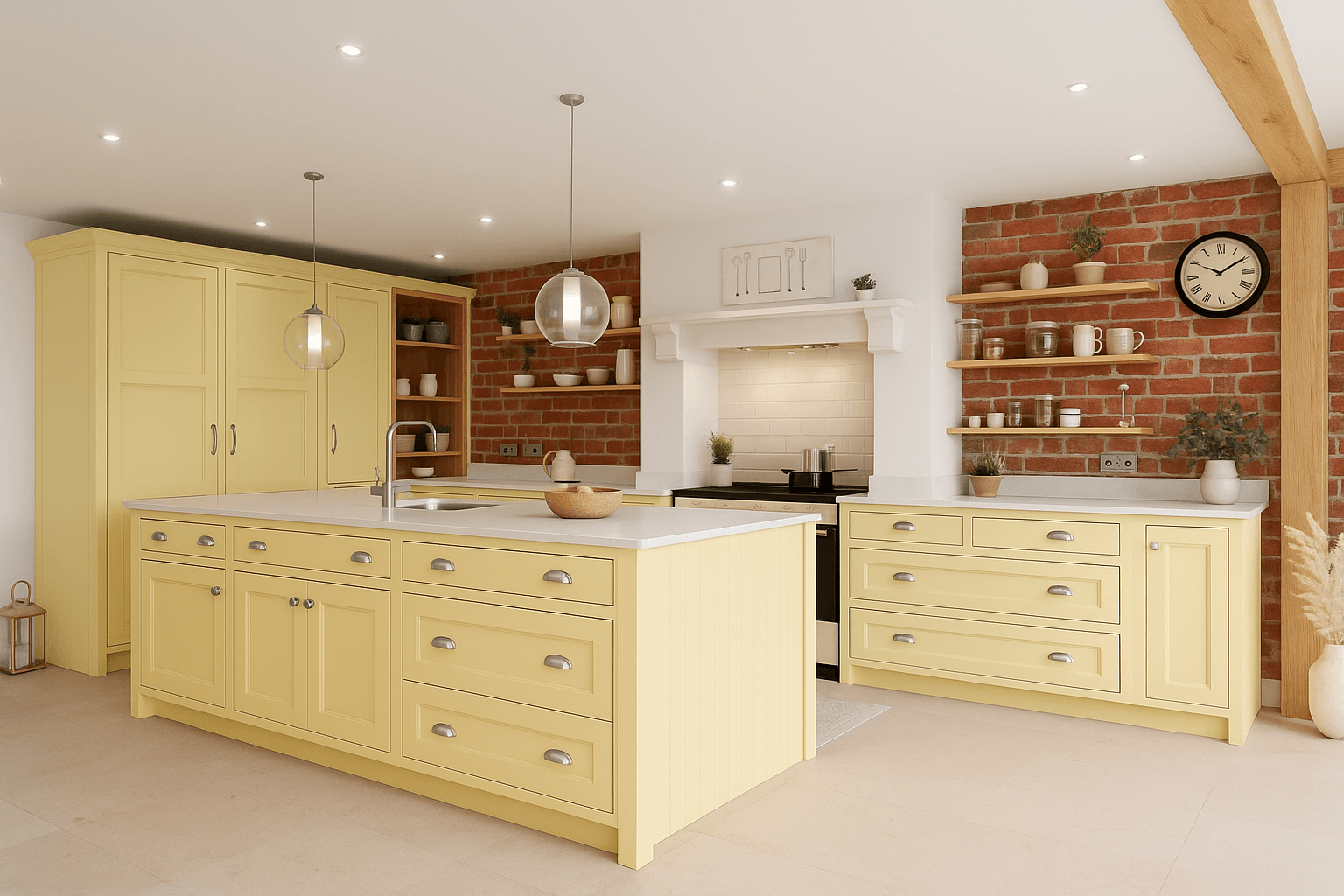
Usually, separate kitchens are fully enclosed and, depending on how your household lives, this might be a good solution to ensure cooking smells are contained within one room and to keep noisy appliances from being a disturbance.

Likewise, a separate kitchen means there is a clear use for each room, mess and spills don’t intrude on entertaining spaces, and that dining rooms remain clean, tidy and well-organised.

It’s more common to find separate kitchens in period homes, especially those with frequent entertaining, but also in smaller properties where having a dedicated zone for each room is beneficial.
Kitchen Diner vs Separate Kitchen: A Comparison of the Pros and Cons

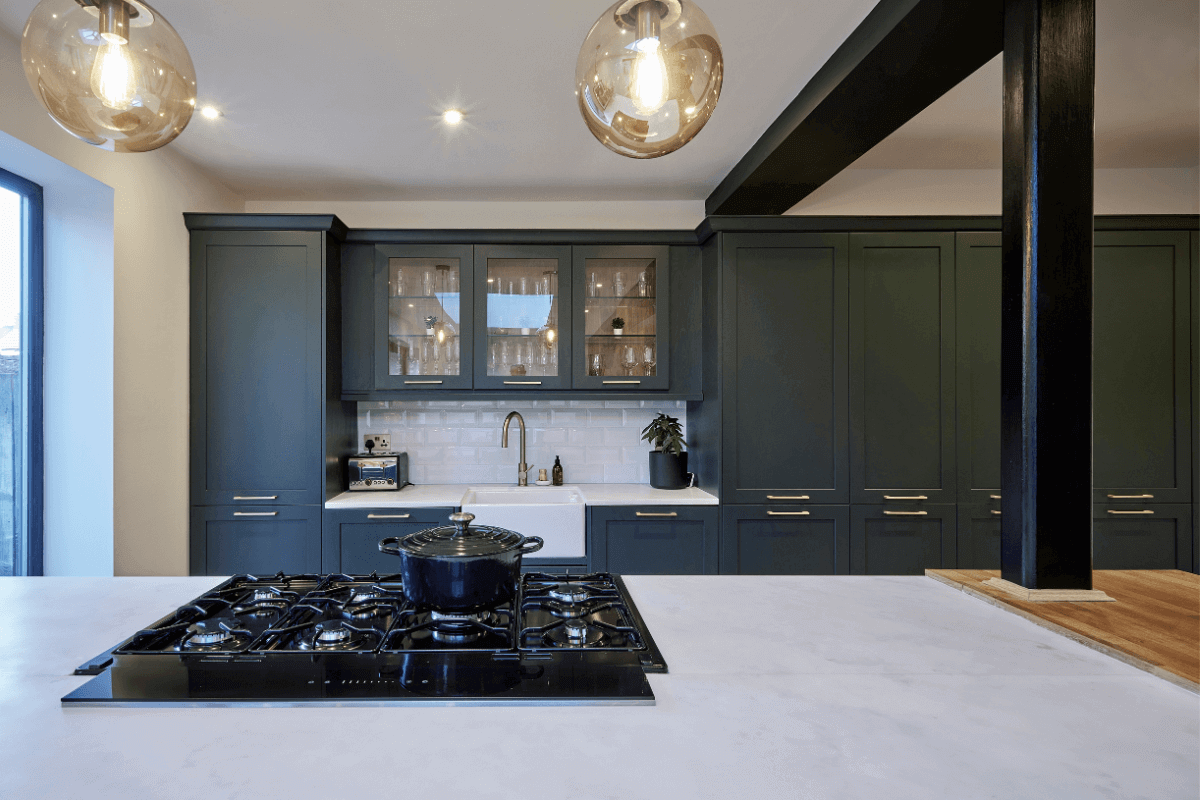
Kitchen Diner Separate Kitchen
Socialising Great – the space is open plan and connected Limited with kitchens enclosed away from dining areas
Noise control Low High
Containing smells Low High
Visual mess Mess and dirty plates remain visible Mess is hidden away behind a door
Flow of light Excellent Moderate, although it depends on the lighting and window sizes
Energy efficiency Lower, as larger open spaces are more expensive to heat and power, especially in the winter Higher, providing lower energy costs to heat smaller rooms, and the option to turn off appliances and lights when not in use
Best for Families and households who love to entertain More focused cooking, privacy and keeping the home ordered and tidy
Biggest pros Adults and kids can socialise, multitask in one space, and large open-plan rooms feel bigger Makes it easy to hide clutter, minimise disruption and segregate living and cooking or keep smaller children safely away from hot appliances
Biggest cons Smells, noise and mess can be less desirable for households who prioritise well-organised spaces The lack of social interaction when cooking, smaller rooms and sometimes less natural light

What Makes a Broken-Plan Kitchen a Middle Ground?

Broken-plan living is a compromise: the kitchen isn’t completely open plan or an enclosed space, but has partitions or connections that link a dining or entertaining area to the kitchen. That could be:

  • Having a split-level kitchen and dining areas adjacent to each other, with a step or slope in between
  • Creating half-height walls or internal glazing that can be closed or left open
  • Using sliding doors or bifold style doors that can also be opened or closed as desired
  • Installing partitions or shelving dividers to create a visual distinction between the dining room and kitchen

This means homeowners can choose how to manage their kitchen and living spaces, with dedicated zones, but without fully separating the rooms and maintaining a sense of light and open space.

Frequently Asked Questions

What Is the Best Layout for Families?

Every family might be different, but a traditional kitchen-diner remains a strong preference for families, particularly those with little ones.

Could I Convert a Kitchen Diner Into Two Separate Rooms?

Possibly, yes, many homeowners install sliding doors, partitions or even walls to reseparate their spaces if they wish to.