
Award winning service

Award winning service

Flexible finance options

Flexible finance options

Free online design service

Free online design service

Exclusive discounts with brands

Exclusive discounts with brands

Close Menu

Kitchen Types and Styles Explained: From Shaker to Handleless

By Nicholas McDonald

6 min read

Explore popular kitchen styles, including shaker, slab, in-frame and handleless kitchens. Find the perfect style to suit your home and lifestyle

Contents

1. Choosing a Kitchen Style: Key Takeaways

2. Why Does the Type and Style of My Kitchen Matter?

3. 4 Kitchen Styles to Consider

4. How to Choose the Right Kitchen Type for Your Home

5. Frequently Asked Questions

Request Our Brochure

The style of your kitchen sets the tone for your home, with options ranging from timeless shaker kitchens to ultra-modern handleless cabinetry, contemporary slab kitchens, and traditional in-frame designs, all of which can be customised to suit you.

If you’re considering a new kitchen and unsure where to start, you are far from alone.

Research shows that kitchens are the number one home improvement project for homeowners, with 29% opting for a remodel and 31% planning a larger renovation

This guide clarifies what some of the most in-demand kitchen styles mean, the types of properties and lifestyles they suit, and offers insights that may help you decide on the perfect kitchen for your home.

Choosing a Kitchen Style: Key Takeaways

  • Kitchen styles differ from layouts, the latter might range from galley kitchens in period homes to L-shaped open-plan rooms and island kitchens with a workplace in the centre, whereas styles dictate the materials, colours and themes of the finishes.
  • Traditional and classic styles like shaker doors remain ever-popular, although alternatives like modern Scandinavian aesthetics, contemporary clean lines, and slab kitchens have also become more in demand.
  • The right style for your kitchen will depend on you, how you use the space, the styles you find visually appealing, and the age and tone of your other interior décor.

Why Does the Type and Style of My Kitchen Matter?

Kitchens are central hubs of the home, and places where families gather for meals, celebrations and heart-to-hearts, and an efficient, welcoming, beautiful kitchen can influence how you use and travel through every other room.

You might, for instance, have a fairly modern property and want built-in, concealed appliances, sharp lines and deep, jewel colours, or prefer brighter lighting, paler timbers and a familiar layout for cooking and hosting.
Smile Kitchens advises that, ‘When you’re picking a kitchen style, it’s best to think about aesthetics and practicality in equal measure, but ultimately, the right option is down to the kitchen you’ll love most. 

Classic shaker kitchens offer versatility and are great for homes of all ages, while a handleless kitchen that complements a more recently constructed home might be ideal for your property.

The trick is to find a design that slots into your home and works for you and your family.’
4 Kitchen Styles to consider: 

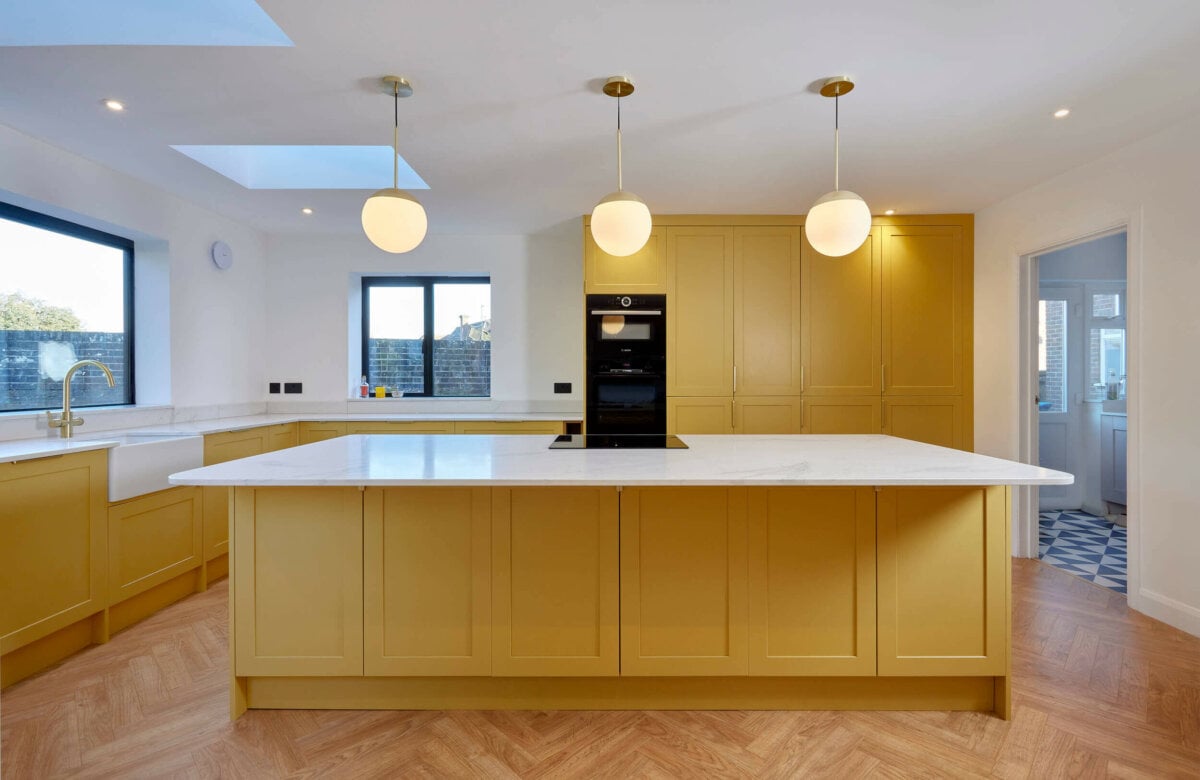
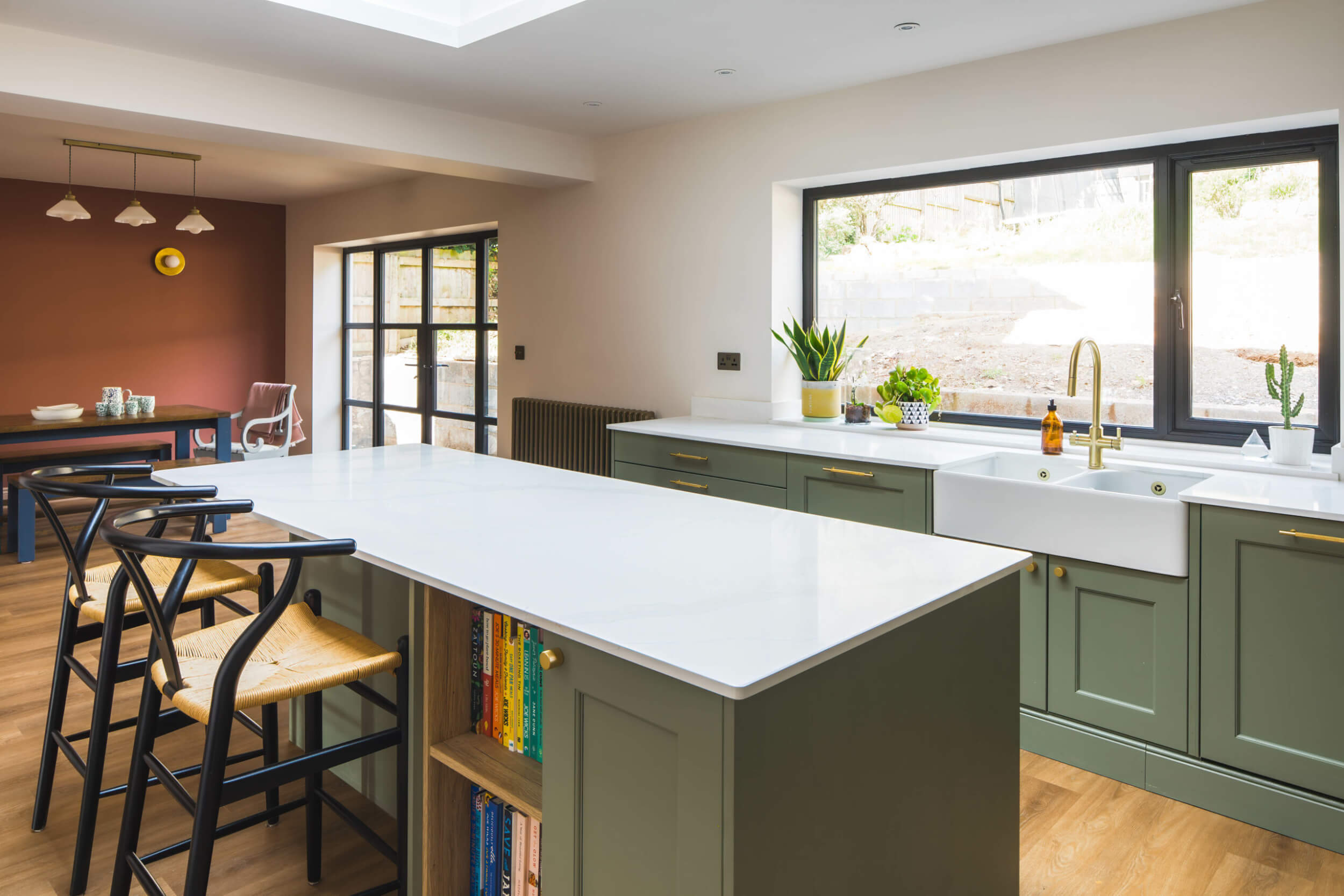
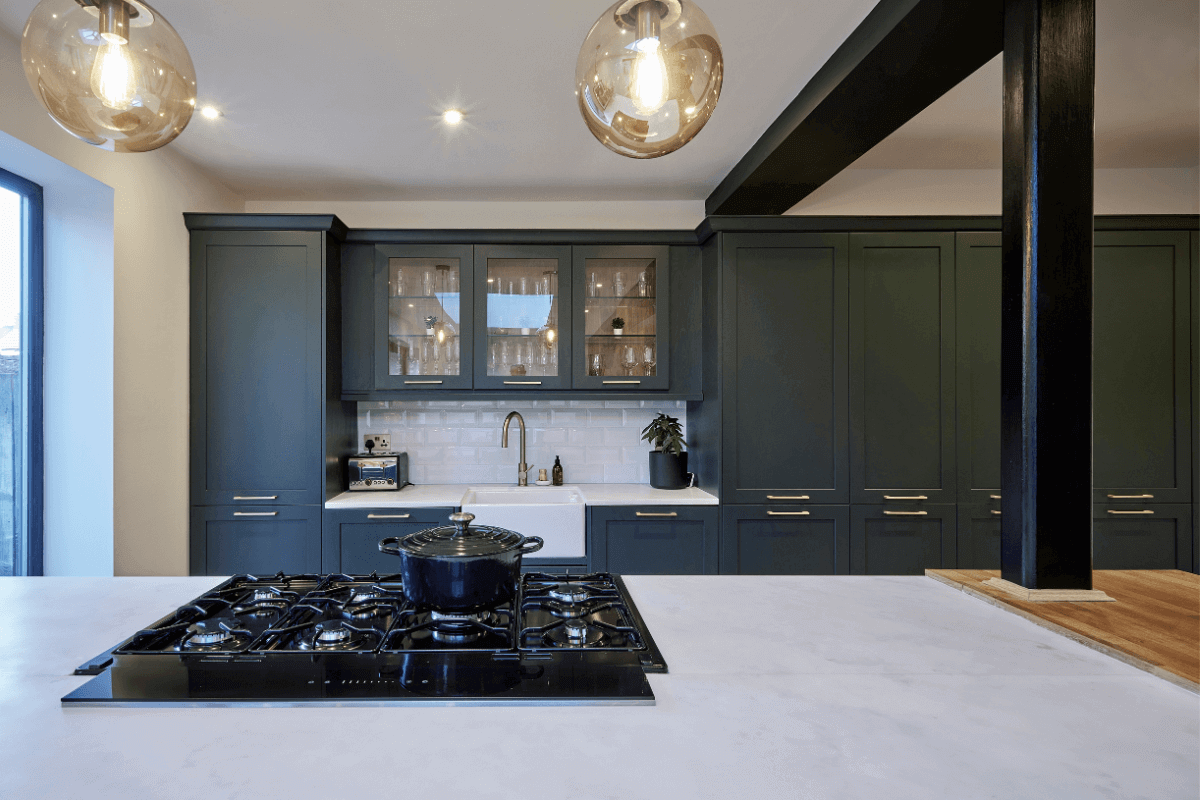
1. The Timeless Appeal of a Shaker Kitchen

Definition: A shaker kitchen is a classic cabinet style defined by a five-piece door with a recessed centre panel and simple, clean lines.

Originating from traditional craftsmanship, it focuses on durability, symmetry, and understated design, making it suitable for both modern and period homes.

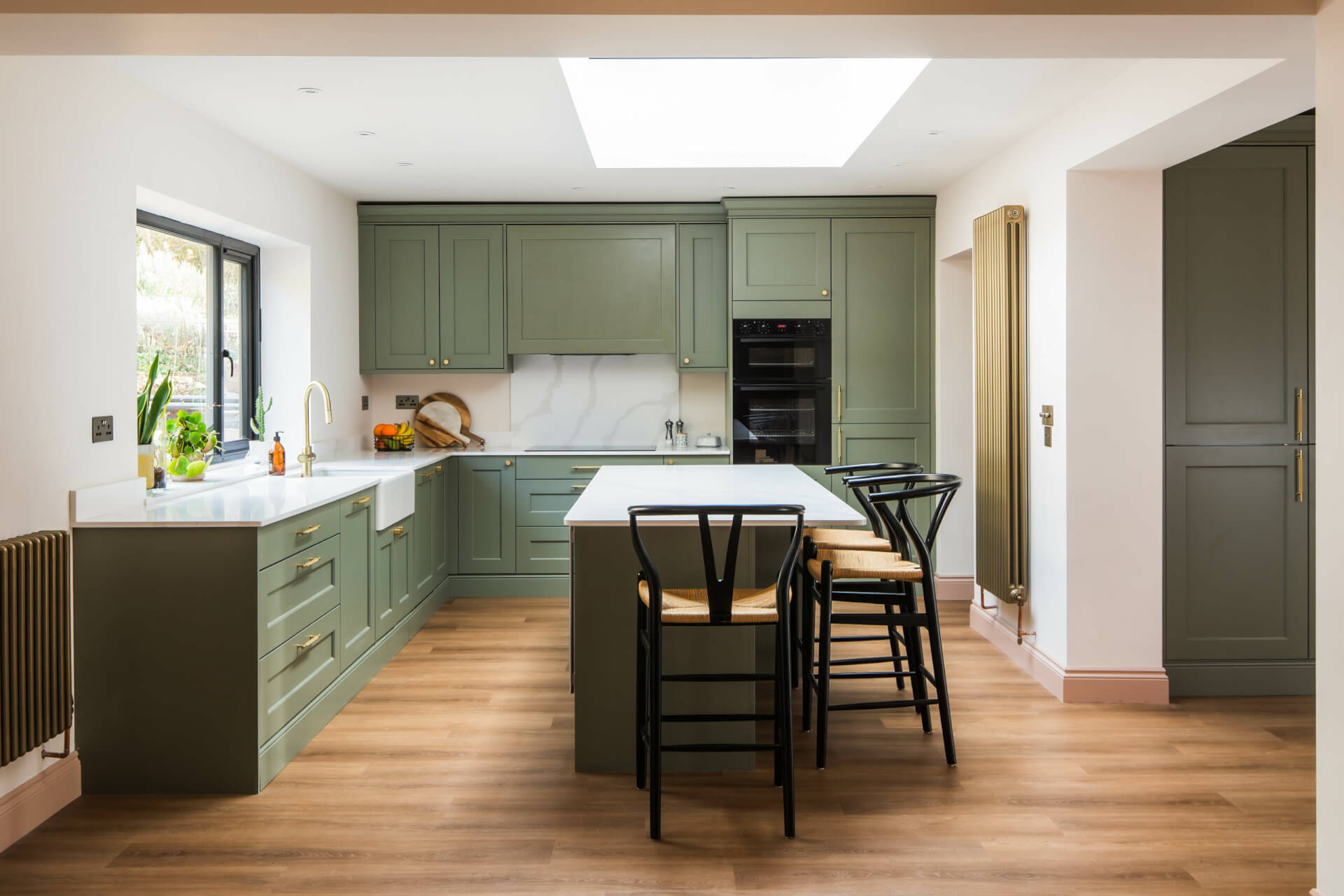
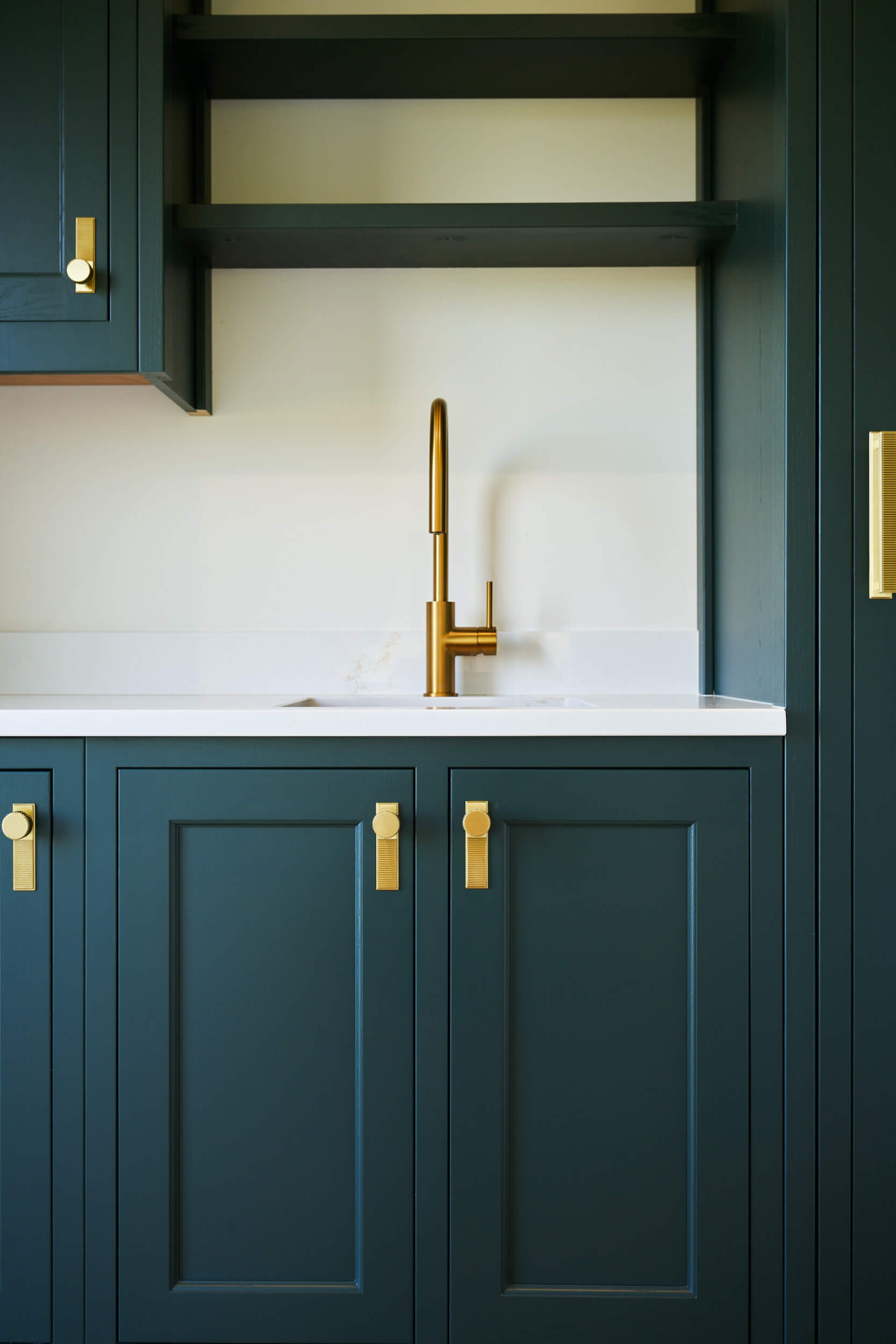
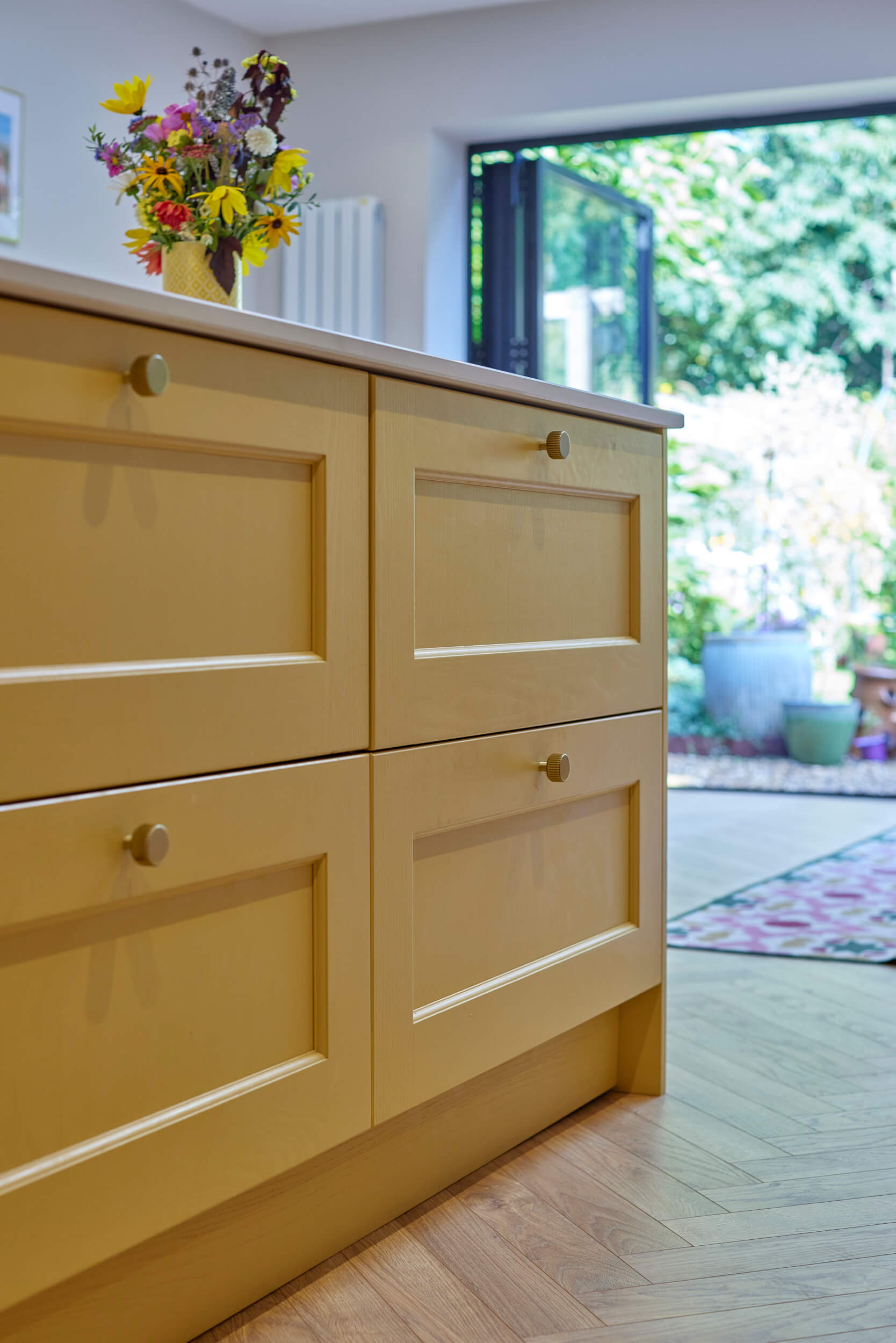
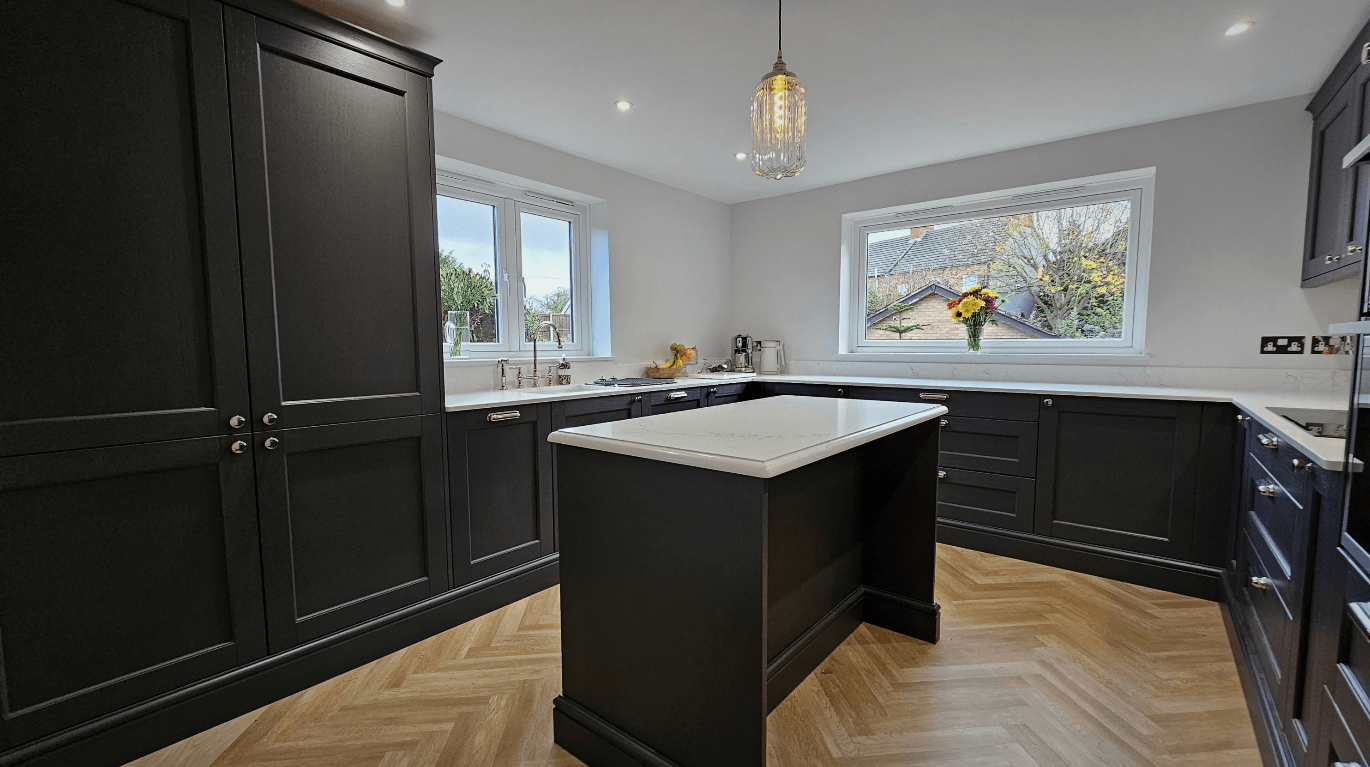
Shaker kitchens are charming, classic and made with precise attention to detail, incorporating recessed door panels that work wonderfully in modern and older homes, with examples like the Vard, Jenson, and Kasper kitchens from the Smile ranges:

  • The Vard and Jenson kitchens use premium timbers with painted woodgrain finishes for an elegant, sophisticated look.
  • Options like the Kasper style incorporate durable, wrapped finishes for an affordable yet functional kitchen.

These kitchen styles incorporate dovetail joints and solid wood, and, with a choice of oak, gloss, stone, and minimalist worktops, you can customise each element to achieve the visual impact you want.

Details like the choice of worktop can affect how the whole kitchen feels, and it’s important to understand the maintenance requirements and durability of any material you consider.

Shaker Kitchens advantages and disadvantages:

Pros Cons
Timeless design that doesn’t go out of style Can feel too “safe” or traditional for some tastes
Works in both modern and period homes Premium timber versions can be expensive
Highly customisable (colours, worktops, handles) Requires handles, which can interrupt clean lines
Strong, durable construction (often solid wood) More detailing means slightly more cleaning/maintenance
Broad market appeal (good for resale value) Less suited to ultra-minimal or futuristic interiors

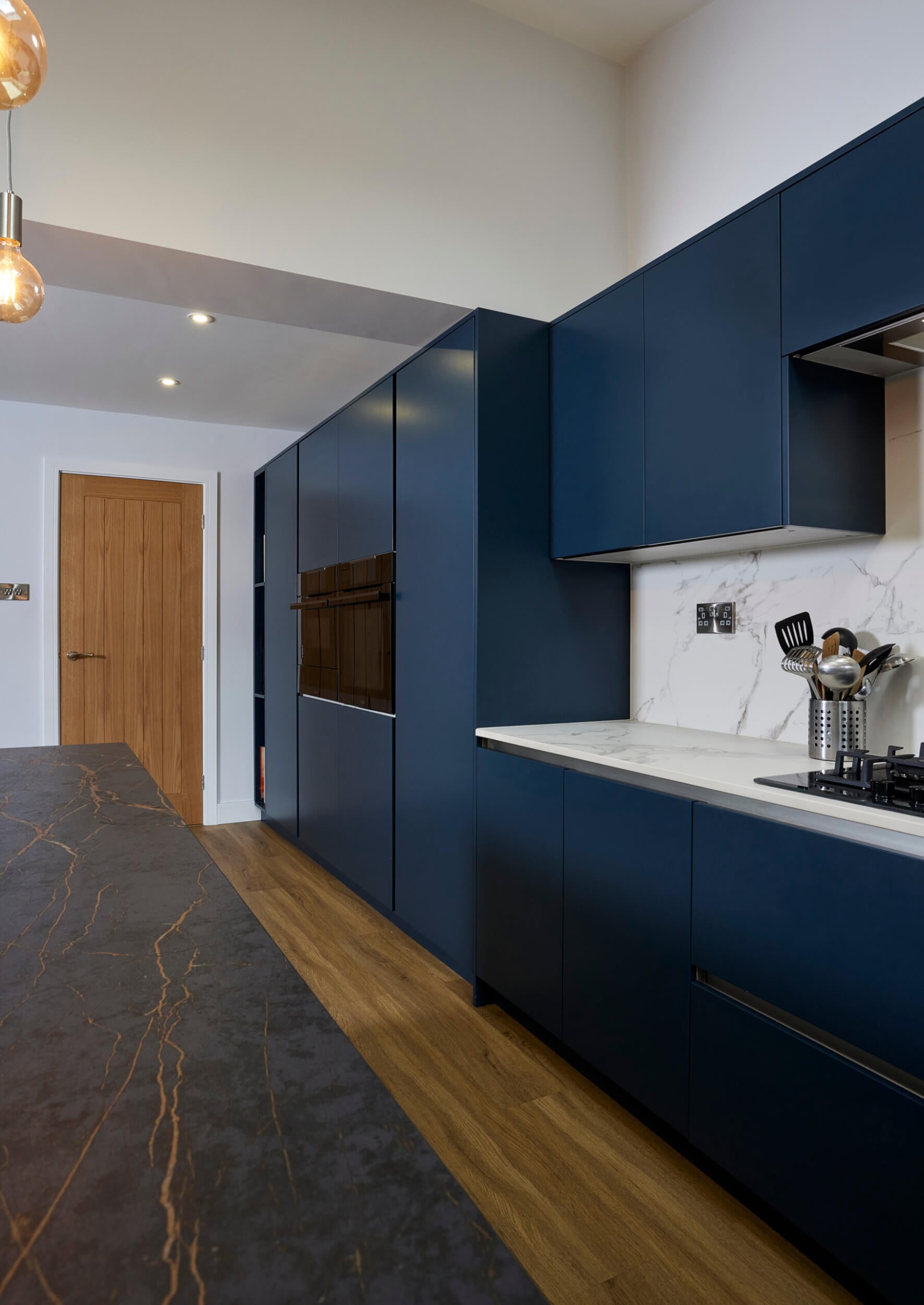
2. The Sleek Modernity of Handleless Kitchens

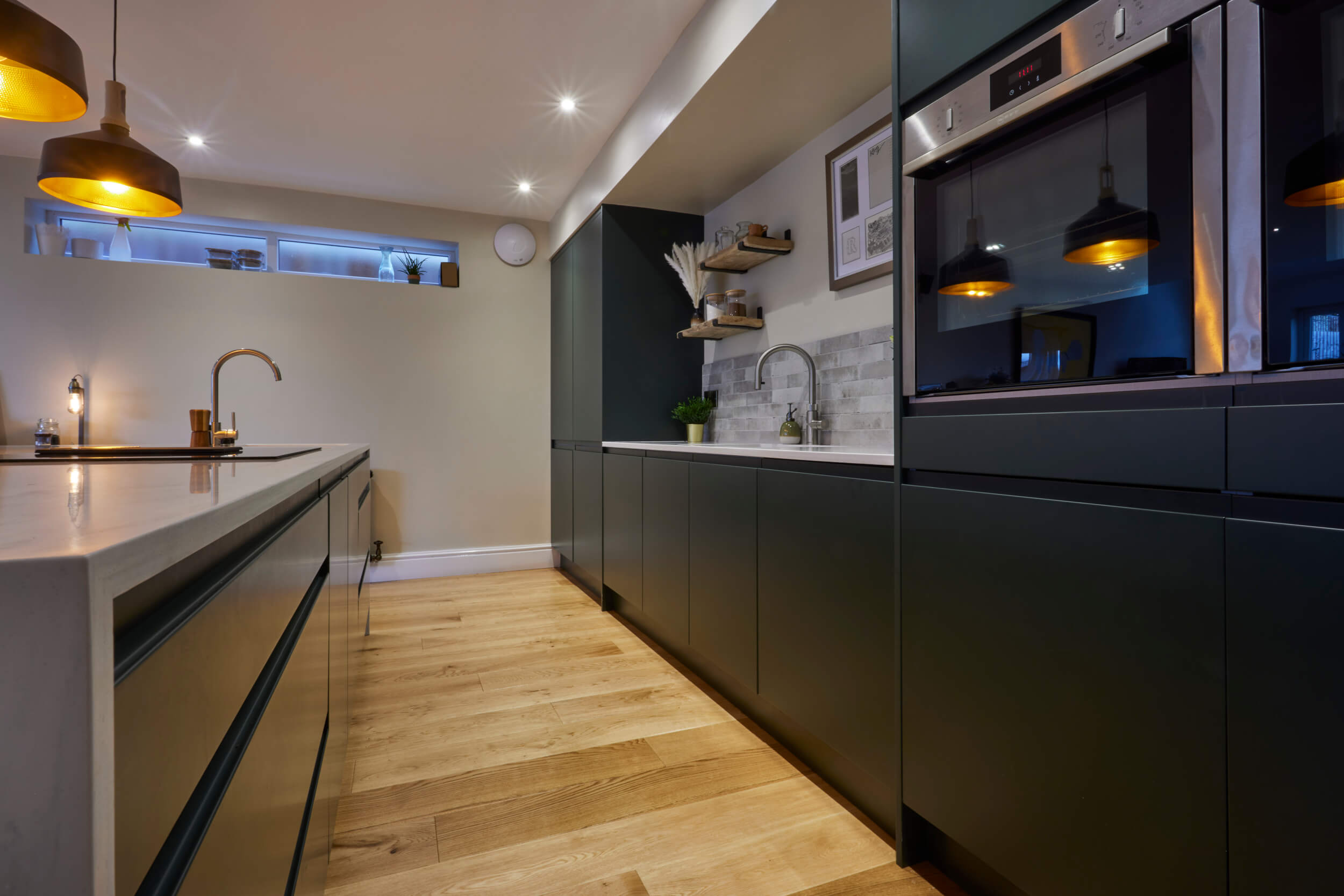
A handleless kitchen features cabinets and drawers without external handles, using integrated rail systems or push-to-open mechanisms instead.

This creates a seamless, streamlined appearance commonly associated with modern and minimalist interiors.

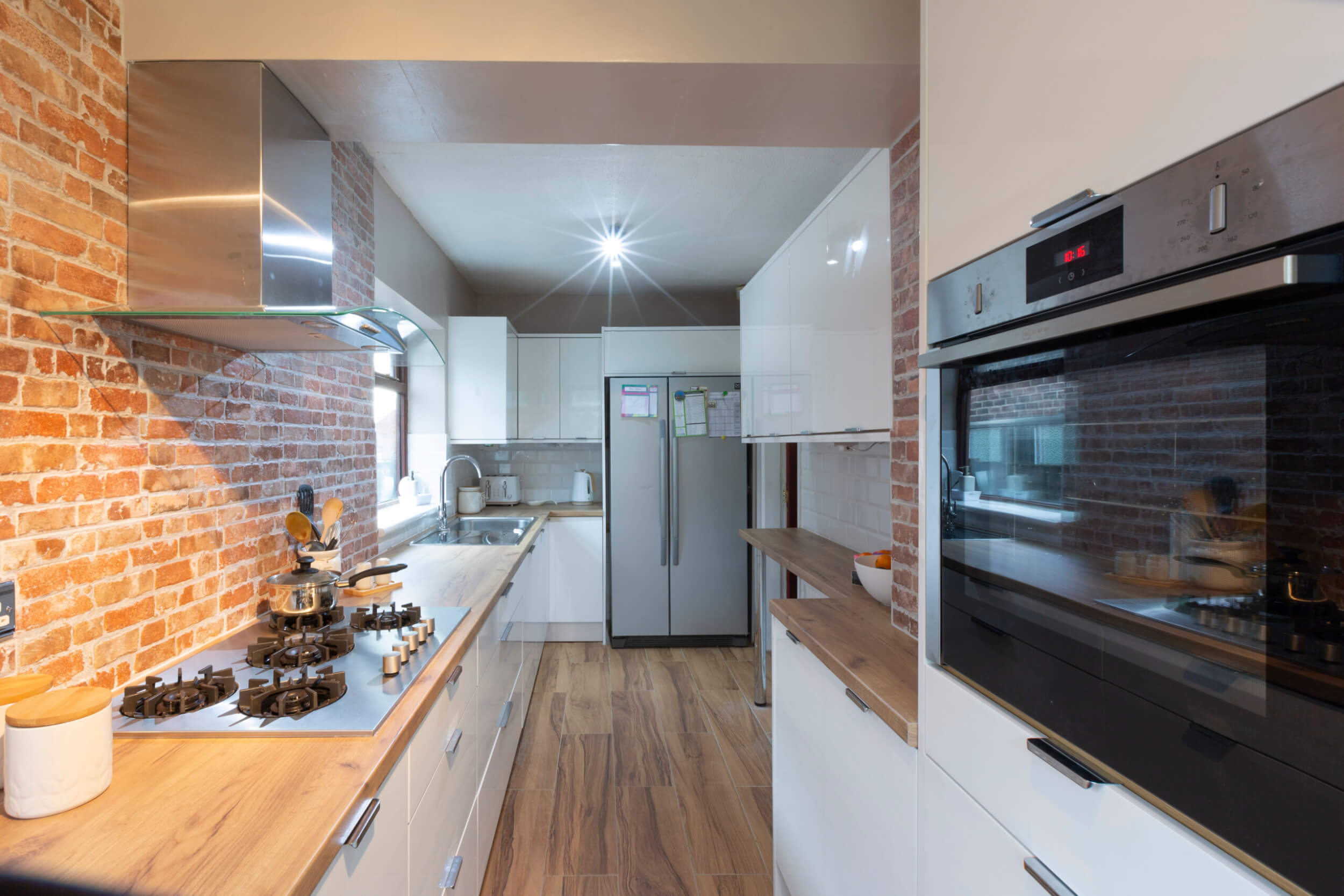
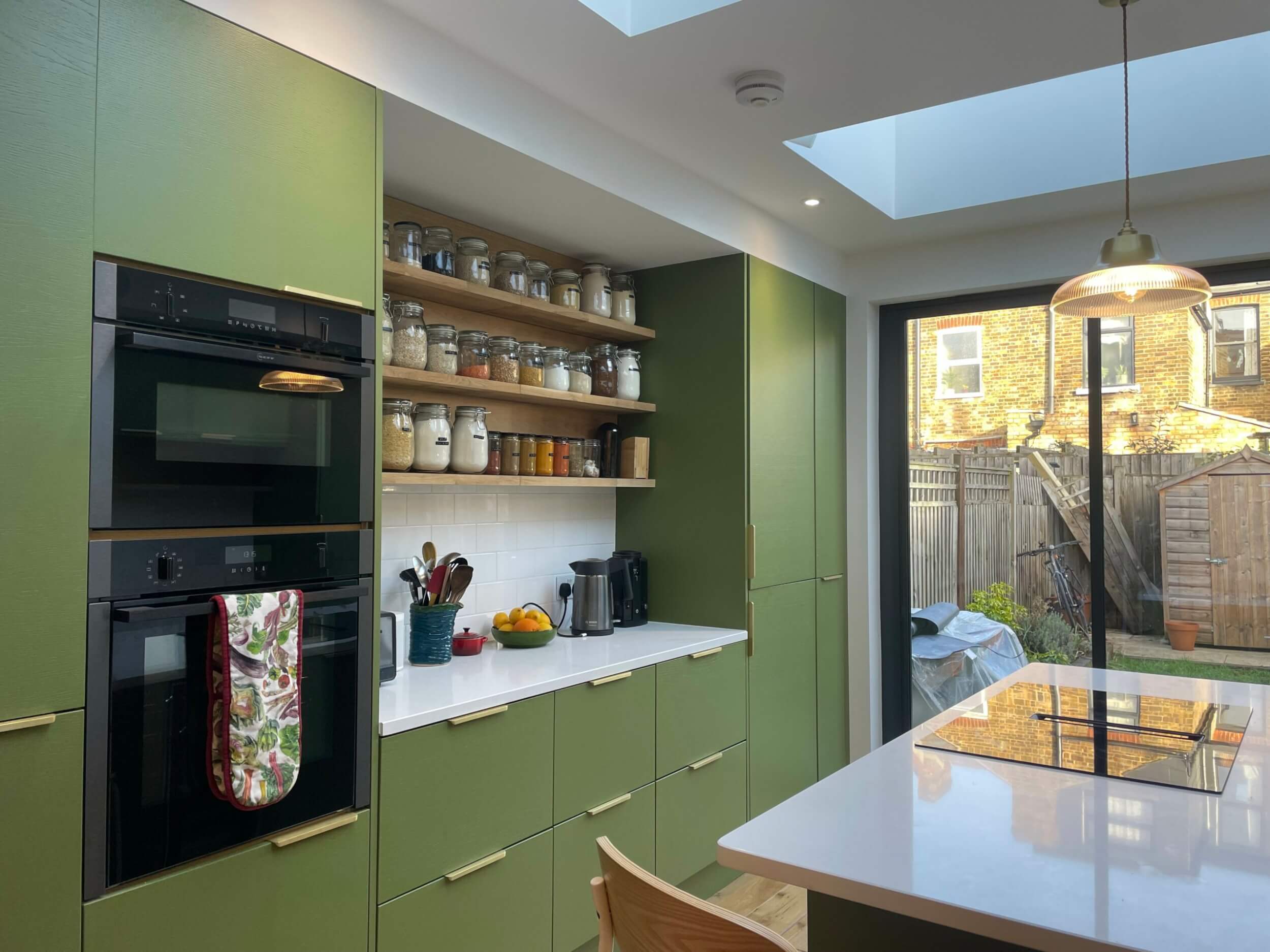
Handleless doors and cabinetry are a popular modern choice of kitchen design, creating seamless kitchens that function effortlessly and feature streamlined, even finishes without the bulk of handles or knobs, delivering uninterrupted surfaces.

Options like our Linje kitchen are amazing for ultra-modern finishes.

In contrast, the softer matt-painted Jasper or the high-gloss lacquer of the Lykke range is appealing to homeowners who prefer a contemporary look.

Options like our Linje kitchen are amazing for ultra-modern finishes. In contrast, the softer matt-painted Jasper or the high-gloss lacquer of the Lykke range is appealing to homeowners who prefer a contemporary look.

The in-built rail systems within handleless kitchens are well-suited to family homes and  busy households, particularly when paired with durable finishes

Handless Kitchens Pros and Cons

Pros Cons
Ultra-modern, seamless aesthetic Can show fingerprints more easily (especially gloss)
Clean lines create a clutter-free look Rail systems can collect dust or grease
Safer for families (no protruding handles) May feel less tactile or intuitive for some users
Great for open-plan and contemporary homes Repairs to rail systems can be more complex
Enhances sense of space (especially in smaller kitchens) Typically higher-end pricing
built-in-kitchen-appliances

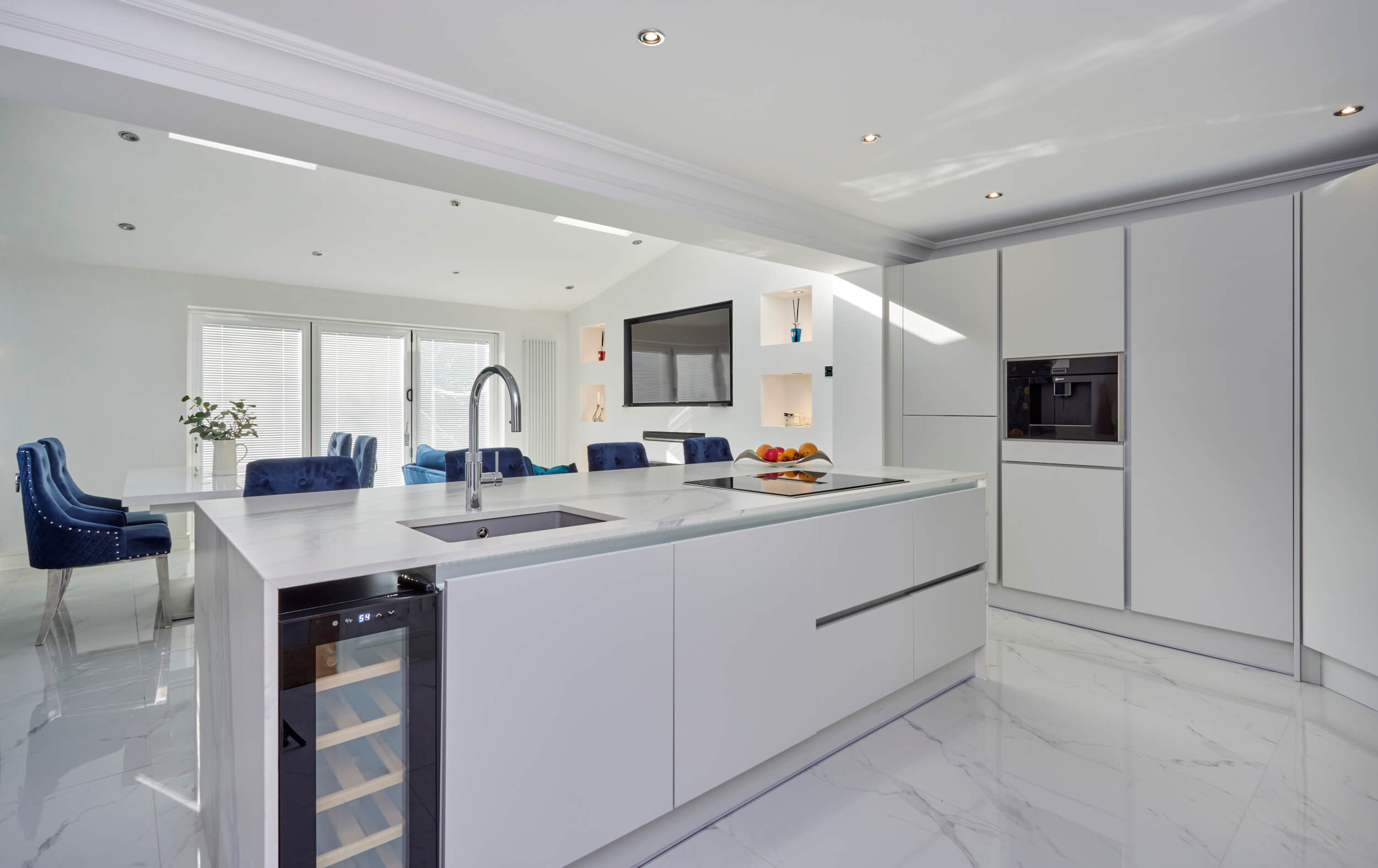
3. Minimalist, High-Quality Slab Kitchens

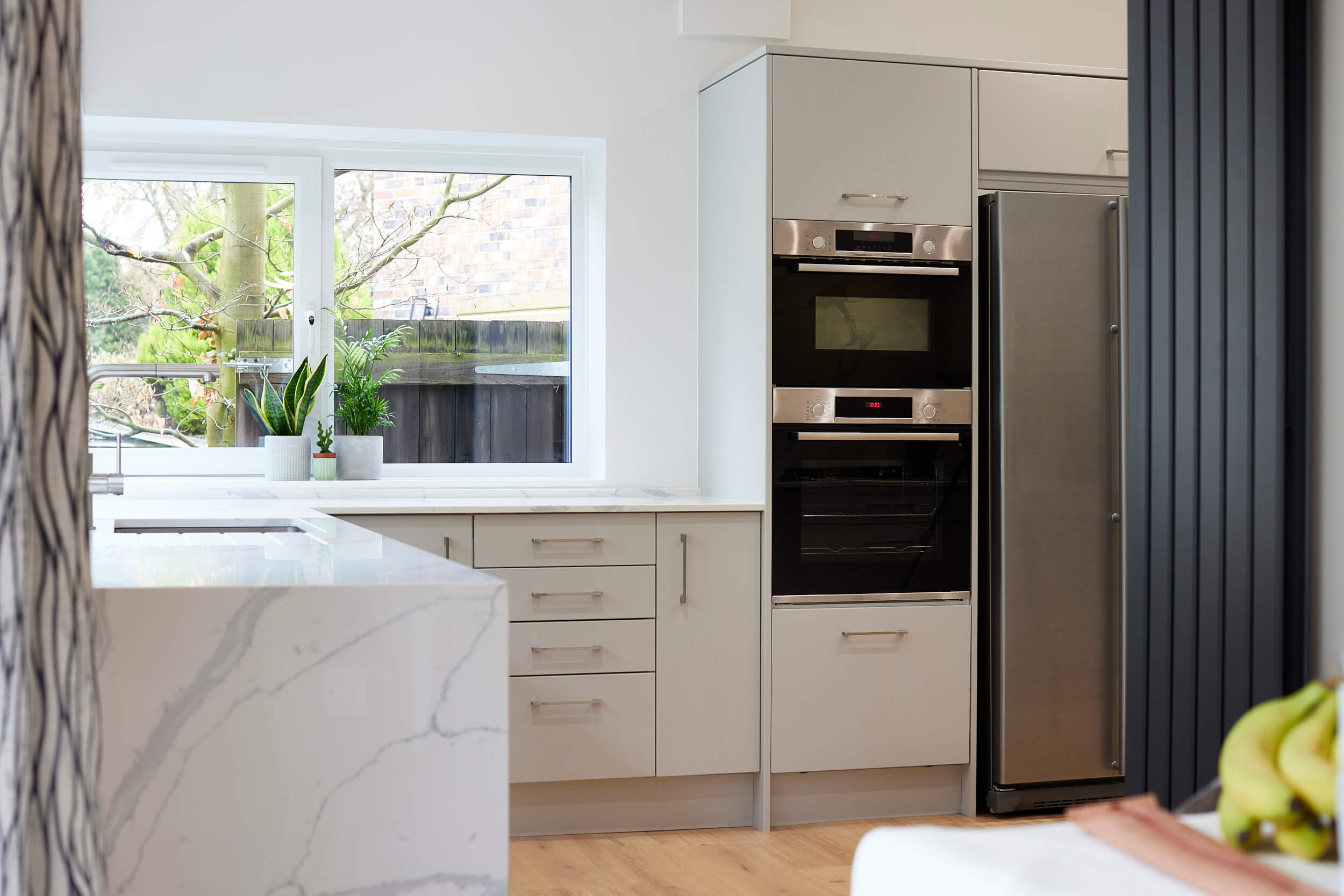
A slab kitchen uses flat-fronted cabinet doors with no framing, panelling, or decorative detailing.

The result is a smooth, minimalist surface that works well in contemporary or Scandinavian-style spaces, with finishes ranging from matt to gloss or woodgrain.

Slab kitchens combine flat-fronted cabinets with a pared-back impact, as a smooth, uncluttered surface that is easy to clean, and versatile finishes, from matt to organic wood grain.

white kitchen cabinet

Ranges like the Leende provide the balance of modern design and accessible pricing, with colours ranging from delicate Clay Gloss to rich Onyx Matt.

Homeowners who love a Scandi-chic style also pick the Fnissa slab kitchen, with curated shades like a blond, light Tusk or a dusky Duke blue.

Slab Kitchens pros and cons

Pros Cons
Minimalist, clean and modern look Can feel plain or lacking character
Easy to clean (flat surfaces) Visible marks on darker or gloss finishes
Can be more affordable than detailed styles Less “premium” feel than in-frame or shaker
Versatile finishes (matt, gloss, woodgrain) Relies heavily on colour/design to stand out
Ideal for Scandinavian or contemporary interiors Can date quicker depending on trends

4. Beautifully Crafted In-Frame Kitchens

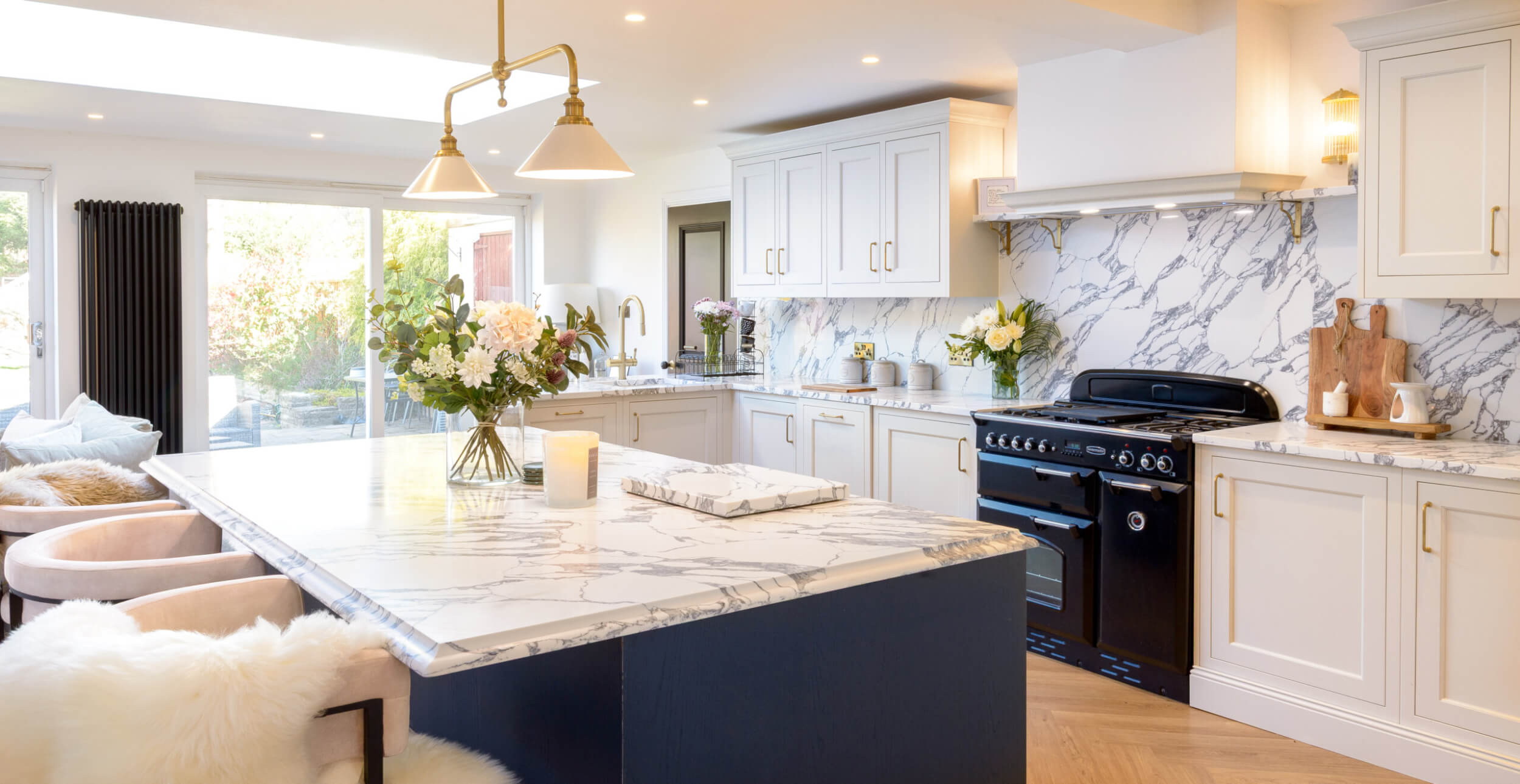
An in-frame kitchen is a traditional cabinet style where doors and drawers sit within a visible frame attached to the cabinet carcass. This construction method enhances durability and creates a premium, handcrafted look with a more detailed and heritage-inspired aesthetic.

As a variation on the classic shaker kitchen, in-frame designs bring a touch of sophistication and refinement to kitchen spaces, with premium timber doors in the Hampton range crafted to impeccable standards and featuring a heritage-inspired ambience.

Other styles blend the high-end look of an in-frame kitchen with more streamlined design accents, featuring everything from soft neutrals to bright statement hues, depending on your personal preferences.

Each cabinet features a recessed panel with visible framing around the drawer fronts and doors, which complements luxurious quartz and ceramic worktops.

In Frame Kitchens Pros and cons 

Pros Cons
Premium, high-end appearance Most expensive kitchen style
Exceptional craftsmanship and durability Longer lead times due to build complexity
Adds depth and detail to cabinetry Less suited to modern or minimalist interiors
Strong traditional and heritage appeal Can feel heavy in smaller spaces
Excellent longevity (built to last decades) Limited flexibility once installed

How to Choose the Right Kitchen Type for Your Home

As always, the best kitchen will fit your home’s architecture and theme, match the colour palettes and shades you love, and be compatible with your lifestyle and the time you spend in your kitchen.

If you’d like more help visualising how these styles would look, you can access complimentary tools via Smile Kitchens or organise an online consultation, with 3D walkthroughs, door samples, and custom colour-matching services available on request.
Frequently Asked Questions

Which Are the Most Popular Kitchen Styles?

Shaker kitchens have long been a favourite classic kitchen design, while more modern alternatives like slab kitchens are popular in new builds, renovations and minimalist interiors.

You’ll find more insight into recent trends via our guide to Kitchen Colour Trends 2026.

How Do Shaker and In-Frame Kitchens Differ?

Both of these kitchen styles have recessed doors, but the contrast is that in-frame kitchens have a visible frame that runs around each cabinet, as a slightly more traditional aesthetic that requires greater craftsmanship.

Is a Handleless Kitchen Practical for a Family Home?

Yes, handleless kitchens have integrated rails that ensure you can open cabinets and drawers easily, even hands-free!

This is ideal for busy homes and reduces the risk of little ones bumping into protruding handles.

References:

1. Houzz: The Most Popular Spaces to Renovate and Their Costs

2. Which?: How to Choose the Best Kitchen Worktops and Cabinets


Design Your Kitchen with AI Book a Design Consultation