Factors to Consider When Positioning Kitchen Wall Units
Alongside the dimensions of the room, it’s wise to think about your own needs, including factors like:
- The height of the people within your household – and whether you’d prefer to have higher cabinets that only adults can reach, or units where children can collect cups or glassware independently.
- Reach range – which is how easily a person would be able to reach handles or push-to-close doors without stretching. This ergonomic element is especially important in busy kitchens, where you wouldn’t want to struggle to reach spices or condiments while cooking.
- How often you use your kitchen. Heavy-use kitchens usually need slightly lower cabinets to avoid constant strain, whereas occasional-use kitchens can be based on aesthetics, provided they remain functional.
Another way to approach kitchen wall unit placement is to consider what items you store and where.
You might, for instance, keep spices and ingredients in a pantry cupboard, store plates and utensils you use every day in the base units, and keep more occasional-use items in the wall cabinets or on the top shelves.
What Are the Biggest Mistakes When Choosing How to Install Kitchen Wall Units?
The most common error is mounting units too high or too low – or agreeing with a kitchen design without testing it out, only to find that the kitchen feels cramped, or that you will need a step of some kind to reach the higher shelves.
Other kitchen design mistakes can include:
- Not considering height differences in your household, such as designing a kitchen for you that is difficult for a spouse, partner, or child to use.
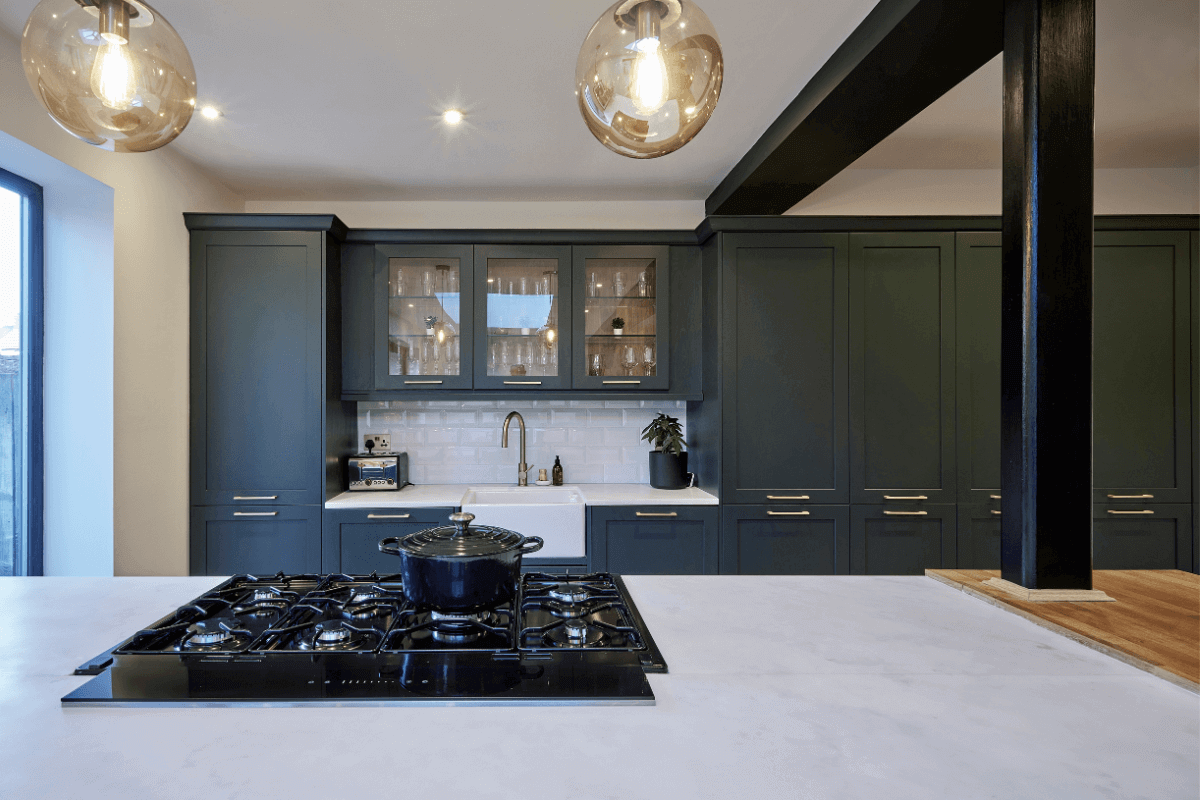
- Overfilling the vertical space with a small gap between counters and wall units, or stacking as many cabinets as possible, which can make even a generously sized kitchen appear small.
- Focusing only on appearance and ignoring accessibility. Kitchens should be beautiful but also practical, and if you’re unable to access certain drawers or shelves, it will affect your enjoyment of the space.
Smile Kitchens says, ‘The best kitchen designs prioritise usability, while taking into consideration the style preferences of the homeowner.
Making even small adjustments to the height of wall units can make such a difference in how comfortable a new kitchen feels, which is why detailed designs and measurements are a vital aspect of the kitchen design process.’
What Other Elements in a Kitchen Design Impact the Right Height for Wall Cabinets?
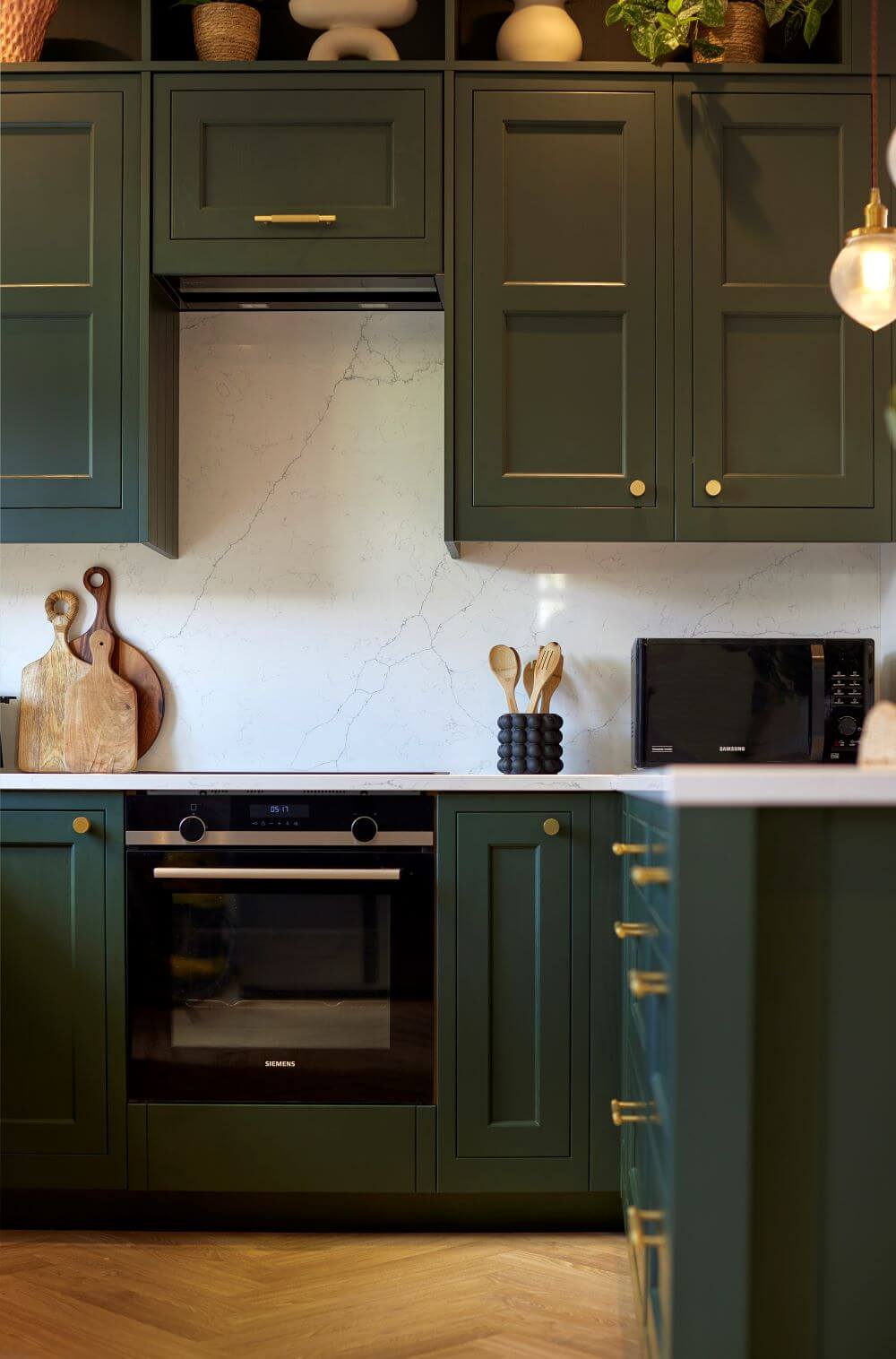
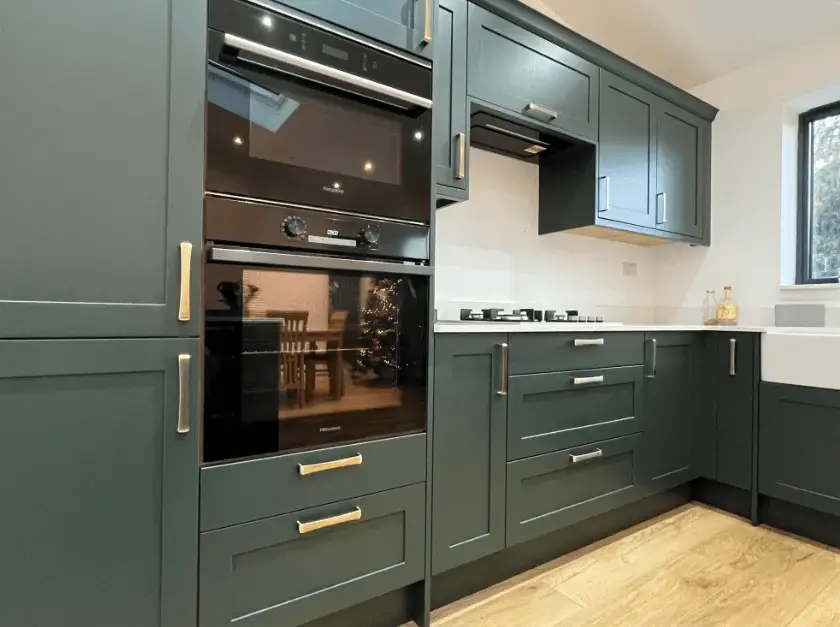
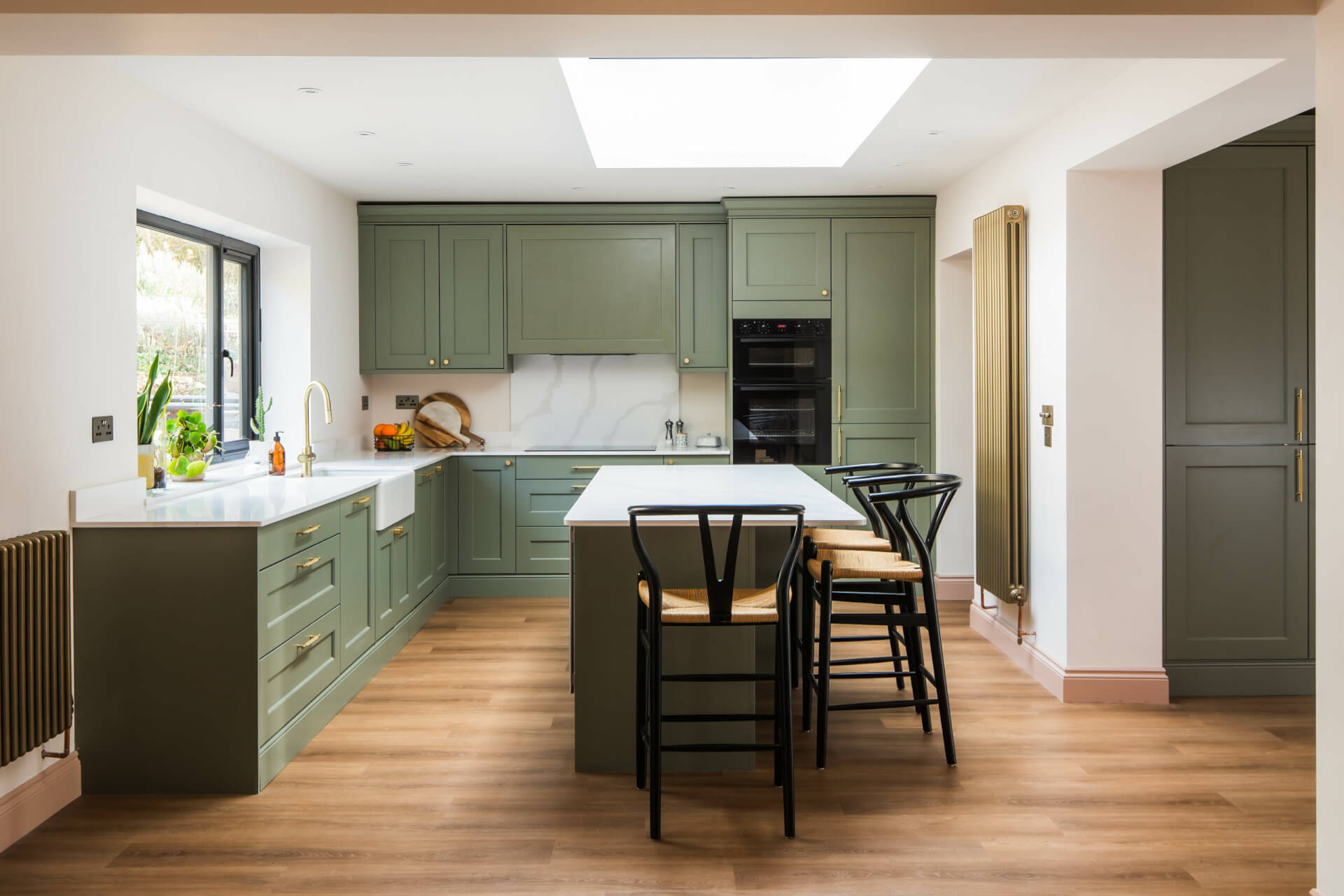
Alongside all the aspects we’ve discussed, you should ensure that other features that need to work with your wall units have been incorporated into your design – including tiles, splashbacks, lights, extractor fans, and integrated appliances.
Detailed 3D visualisations will show you how each aspect of your kitchen looks and operates, and ensure you’re never in a position where cabinets are too high or too low or impede the movement or access to something else.
Frequently Asked Questions
Can I Install Kitchen Units on the Wall Higher Than the Standard?
Yes, absolutely – the ‘standard’ dimensions are only a guide, and it’s up to you how your kitchen should look and feel. However, it’s important to check whether a higher-positioned unit will still be accessible, or to understand that very high cabinets might be best suited for storage rather than daily use.
What Is the Usual Gap to Leave Between a Kitchen Worktop and a Wall Unit?
Most designs leave a space of between 45 cm and 50 cm – although, as always, that depends on your kitchen layout and the placements that work best for you.
Should Kitchen Wall Units Align With the Ceiling?
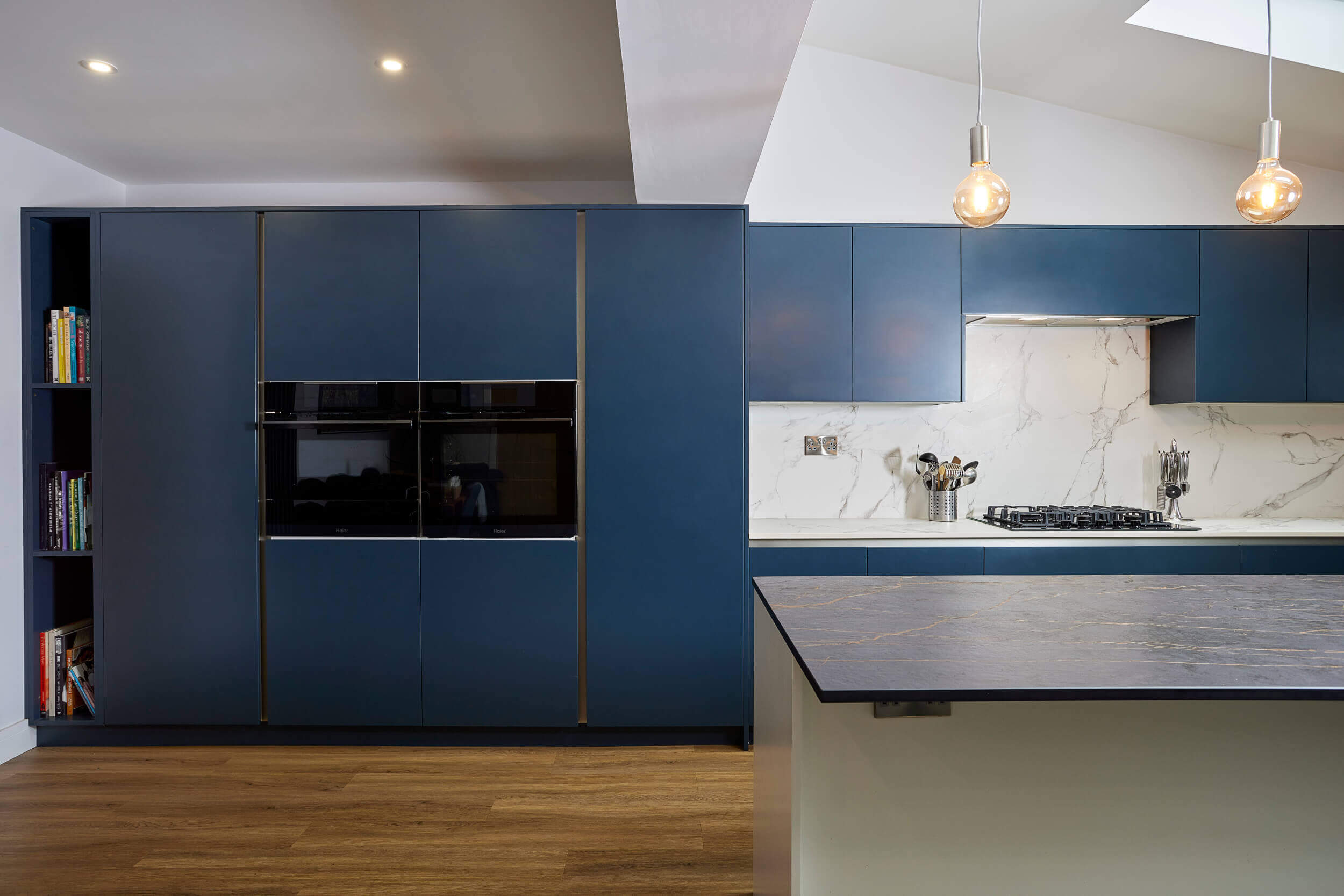
Potentially, yes, if you want full-height units that stretch right up to the ceiling, you can incorporate this into your plans. This design detail is often more suited to a contemporary kitchen style, whereas leaving a gap between the top of the units and the ceiling or coving is more suited to a traditional kitchen.
Do you need more guidance on kitchen unit heights? Get in contact with the bespoke kitchen designers at Smile Kitchens to talk through your kitchen design.