How Many Kitchen Cabinets Do I Need?

By Nicholas McDonald

4 min read

Wondering how many kitchen cabinets you need? Learn how to plan kitchen cabinet storage based on your layout, household size, and lifestyle.

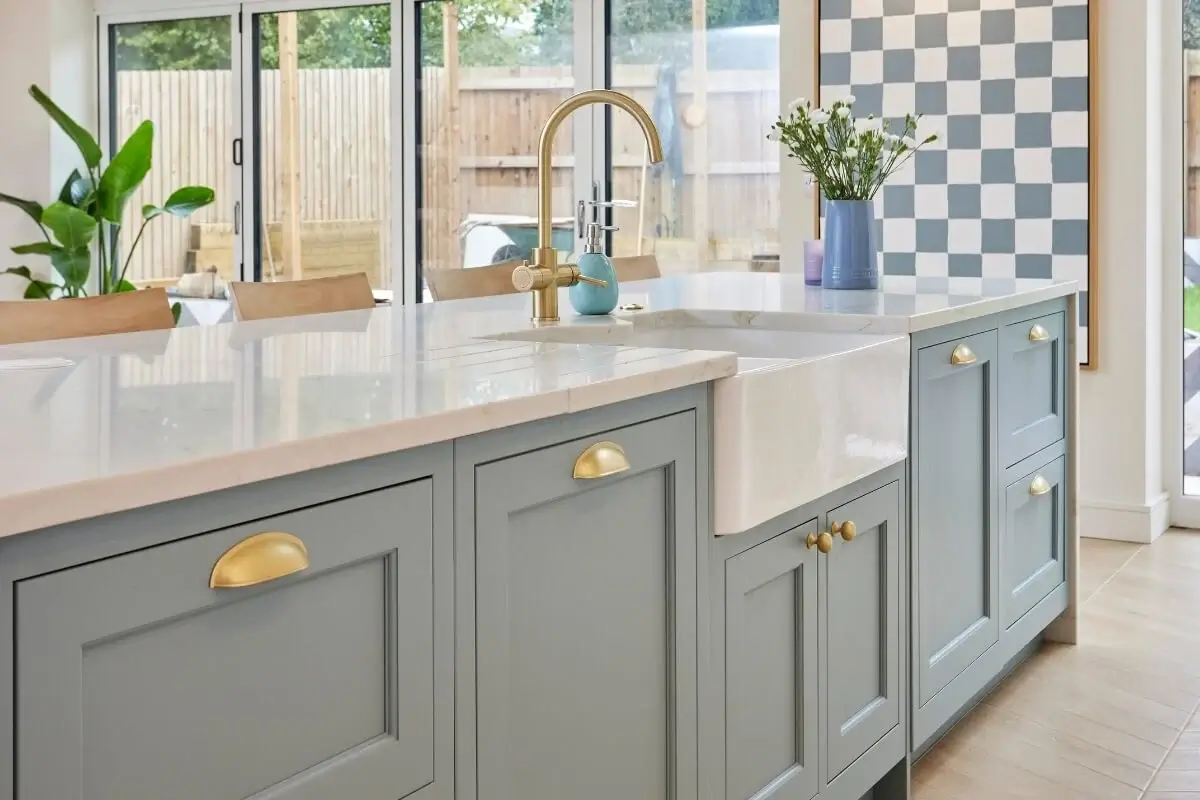
Blue Kitchen Cabinets by Smile Kitchens

Content

1. Choosing the Right Number of Kitchen Cabinets: Key Takeaways

2. Why Is Kitchen Storage Important in Developing a Design?

3. What Is the Standard Number of Kitchen Cabinets to Have?

4. Do Kitchens Need Identical Numbers of Base and Wall Cabinets?

5. How Does a Kitchen’s Layout Affect Cabinet Requirements?

6. What Are the Most Common Mistakes in Kitchen Cabinet Design?

7. Frequently Asked Questions

8. Related Reading

9. References

Speak to a Designer


On average, a medium-sized kitchen needs around 10 to 15 cabinets. However, the exact number depends much more on your household, kitchen layout, and cooking habits than on the room size alone!

Successful storage isn’t necessarily about squeezing in as many cabinets as possible, but about creating a well-designed kitchen with usable space.

A well designed Kitchen is not about filling every available space with units, but by utilising the space in a practical way with functional and accessible units or storage solutions such as drawers and pull-out units which in turn will keep your worktops clear and free to use.

Choosing the Right Number of Kitchen Cabinets: Key Takeaways

  • Modern kitchens have a combination of storage units, from wall units to larder or pantry cupboards, pull-out drawers and base cabinets, so the best starting point is to estimate your storage requirements and divide these across all of those units.
  • Storage planning is also customised to you, reflecting how you use the space, the types of cooking you do, the types of glassware, crockery, and utensils you want to store, and where you cook, rather than only the room’s dimensions.
  • Clever storage, such as deeper drawers and ceiling-height cabinetry, can make all the difference and might even mean fewer cabinets with just as much storage.

Why Is Kitchen Storage Important in Developing a Design?

Beautiful kitchens that look incredible can still be frustrating to use if the storage is poorly planned. In contrast, great storage simplifies everyday life in ways homeowners might not always fully appreciate until they experience it first-hand.

Well-designed, thoughtfully positioned storage can help with:

  • Keeping worktops clear and readily available for food prep
  • Reducing clutter and the visual stress this can cause
  • Keeping items in units easily accessible (especially for individuals who are not as able). For example, not needing to bend down and dig out items at the back of a corner unit. 
  • Making cooking quicker and more intuitive
  • Preventing duplicate purchases of forgotten items
  • Future-proofing your kitchen as your lifestyle changes

One of the Smile Kitchens design team explains it like this, ‘Storage isn’t just there to hide things away, but to make entire kitchens feel calmer and easier to use.

Functional, easily accessible storage can also add to the aesthetic of the room, where each space, counter and handle is intentional.

Read our guide: The 10 best kitchen storage ideas

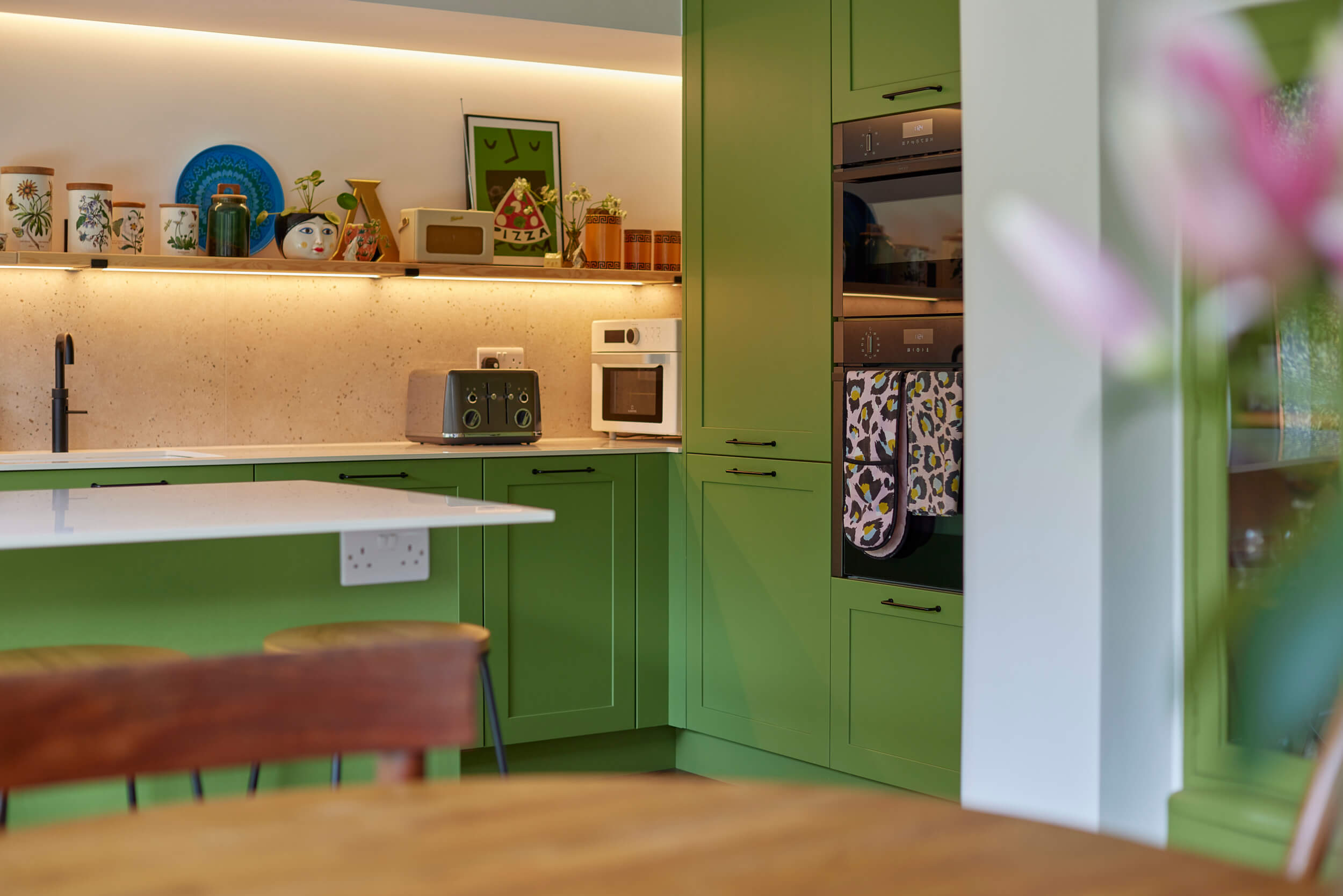
Bespoke Green Kitchen Cabinets by Smile

What Is the Standard Number of Kitchen Cabinets to Have?

There isn’t exactly a standard, but there are design principles professional designers use when planning layouts. The standard number of cabinets depends on the kitchen ‘needs’ which will decide the real estate needed.

The first step is to list out exactly what you’d like in the kitchen for example An Oven, Hob, Dishwasher, Sink, Extractor, Fridge/Freezer.

If you have an average size Kitchen of 12 units there are possibly 6 units already accounted for before we even start to plan!

For an average-sized kitchen of about 10×10 feet, or nine square metres, this could mean:

  • Installing between four and five base cabinets
  • Having an equal four to five wall cabinets above
  • Fitting one taller pantry or larder unit

Of course, larger kitchens might require significantly more cabinets, especially in open-plan family homes where kitchens need to accommodate space and storage for entertaining, food and sundries, and integrated appliances.

It’s also worth thinking about the size of the household, because, as another approximation, most designers will allow for between 1.5 and 2.5 cubic metres of storage for each person, which means they might suggest the following:

Household Size Suggested Storage Volume
One to two people Three to five cubic metres
Family of four Six to 10 cubic metres
Larger households 10+ cubic metres

Do Kitchens Need Identical Numbers of Base and Wall Cabinets?

Not necessarily, because base cabinets form the backbone, or major proportion of kitchen storage, and a typical medium kitchen might incorporate:

  • Four to six deep pan drawers
  • Two to three medium drawer units
  • One or two cutlery or utensil drawers
  • Two to four standard cupboards

Modern kitchen design increasingly prioritises drawers over cupboards, as drawers avoid the wasted space at the back of cabinets, with a ratio of around 60-70% drawers vs 30-40% cupboards.

However, wall cabinets are still ideal for glassware, tea, coffee, dry foods and everyday crockery. That said, some homeowners choose to reduce the number of wall-mounted cupboards, creating more natural light, clearer sightlines, and open shelving.

Also we find that our customers are expanding the Kitchen size with extensions and removing walls are also removing wall units due to increase in base unit storage. It’s possible that you can opting for shelving instead of cabinets for a decorative touch. 

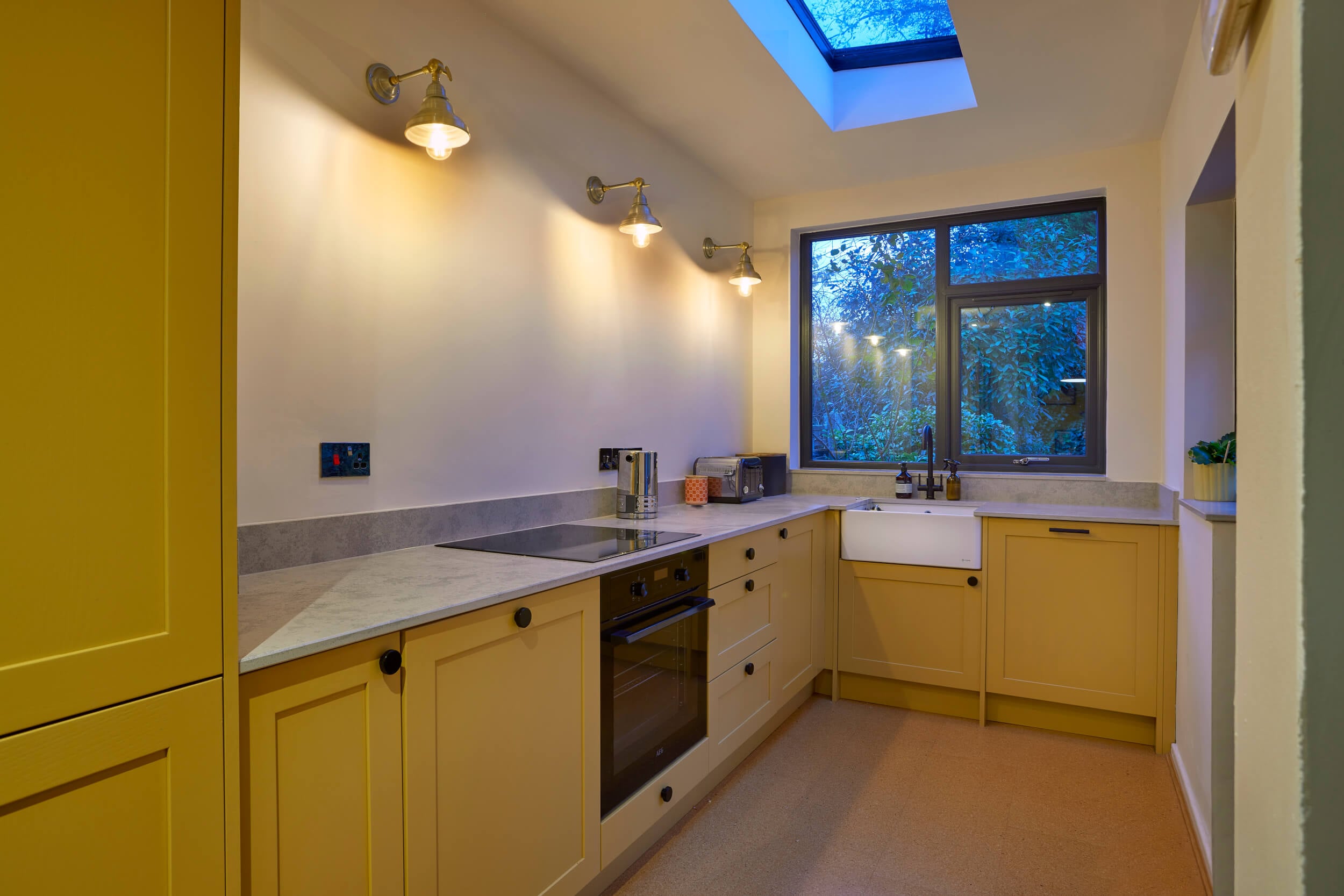
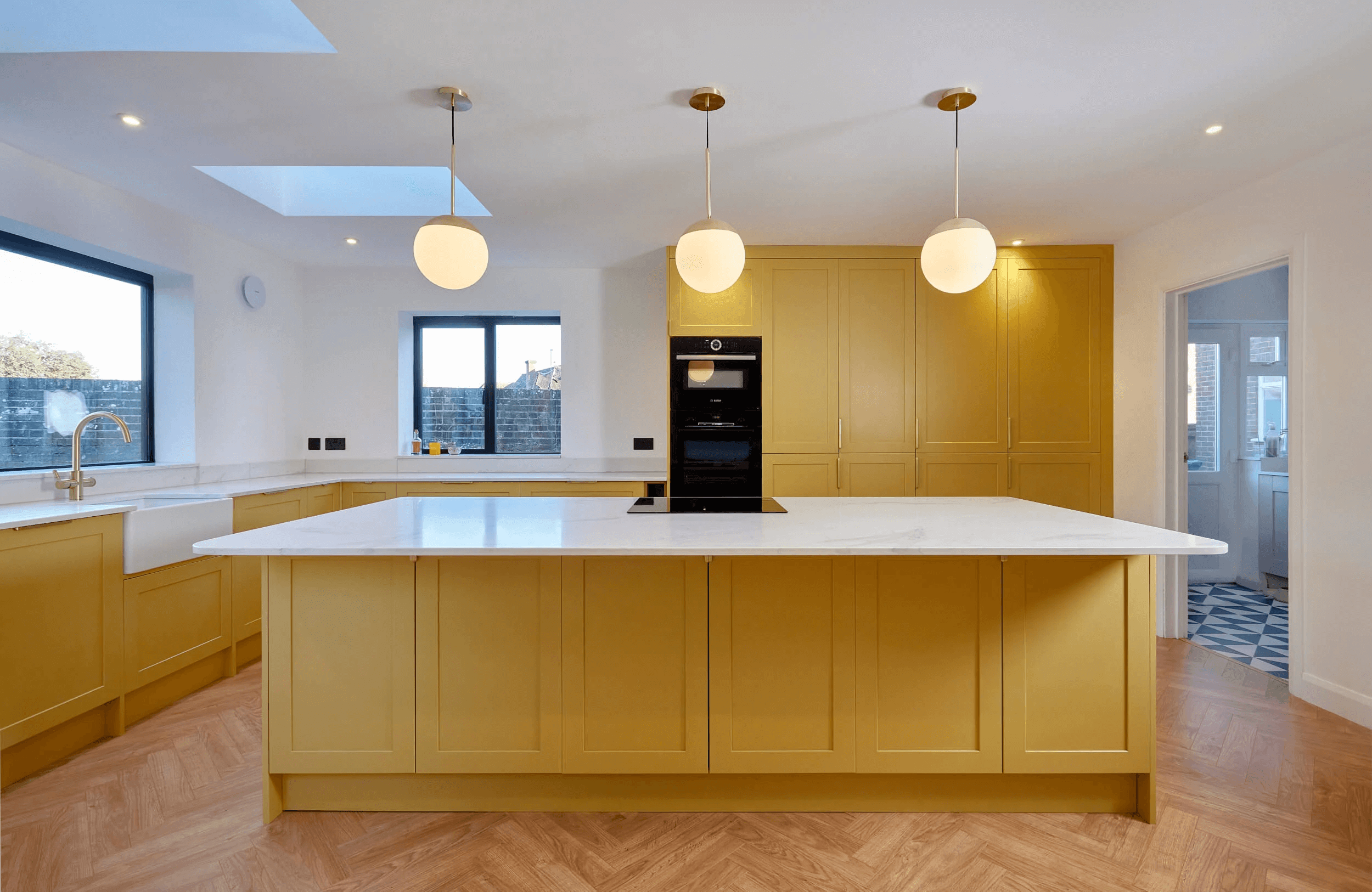
Bespoke Yellow Kitchen Cabinets by Smile

How Does a Kitchen’s Layout Affect Cabinet Requirements?

Layout is key because a galley kitchen, for instance, will normally need more vertical storage, slimline cupboards and ceiling-height wall units to maximise space in a compact, long, thin space.

In contrast, an L-shaped kitchen usually needs to balance a moderate amount of cabinetry with open floor space and the potential to add an island, and a U-shaped layout maximises the number of cupboards and drawers but might need specialist storage for tight corners.

Open-plan kitchens typically offer more concealed storage and larger pantries, with a larger pantry cupboard replacing the extra storage space lost by making the room open-plan.

Read our guide: Open plan vs closed plan kitchens. 

What Are the Most Common Mistakes in Kitchen Cabinet Design?

Design can make a huge impact on the appearance and feel of a kitchen, and some of the typical errors include:

  • Thinking about aesthetics over function, such as installing a dramatic island that looks amazing but sacrifices essential storage and makes the kitchen frustrating to cook in.
  • Overcrowding worktops with display items, minimising prep space and meaning the kitchen looks and feels busy even when it isn’t.
  • Wasting vertical space by using standard wall cabinets with large gaps of unused wall above them – extended cabinetry can increase storage capacity by as much as 20-30%!
  • Putting the wrong features side by side, where easy fixes like keeping cooking utensils near the hob, grouping baking supplies, and putting breakfast items in cupboards near kettles and coffee machines all make life easier.

Finally, homeowners should be mindful of how their needs might change, whether they have a growing family, plan to invest in new appliances, or hope to organise more entertaining in the future.

Having flexible, adjustable storage that can be repurposed helps ensure kitchens remain functional over the long term without requiring a complete remodel.

Frequently Asked Questions

How Can I Calculate How Many Kitchen Cabinets I Need?

Speaking with a design professional is the easiest solution, but you could also start with the guideline of having 1.5-2.5 cubic metres of storage per person, and then adjust that based on your requirements.

Use our online kitchen planner tool to visualise how many cabinets you’ll need. 

How Many Drawers Does a Typical Kitchen Need?

A typical kitchen requires 5 to 10 drawer units, prioritizing 2 to 3 deep pan drawers and 2 to 3 standard drawers. Modern design heavily favors drawers over cupboards because they eliminate awkward bending and pulling.

Related Reading